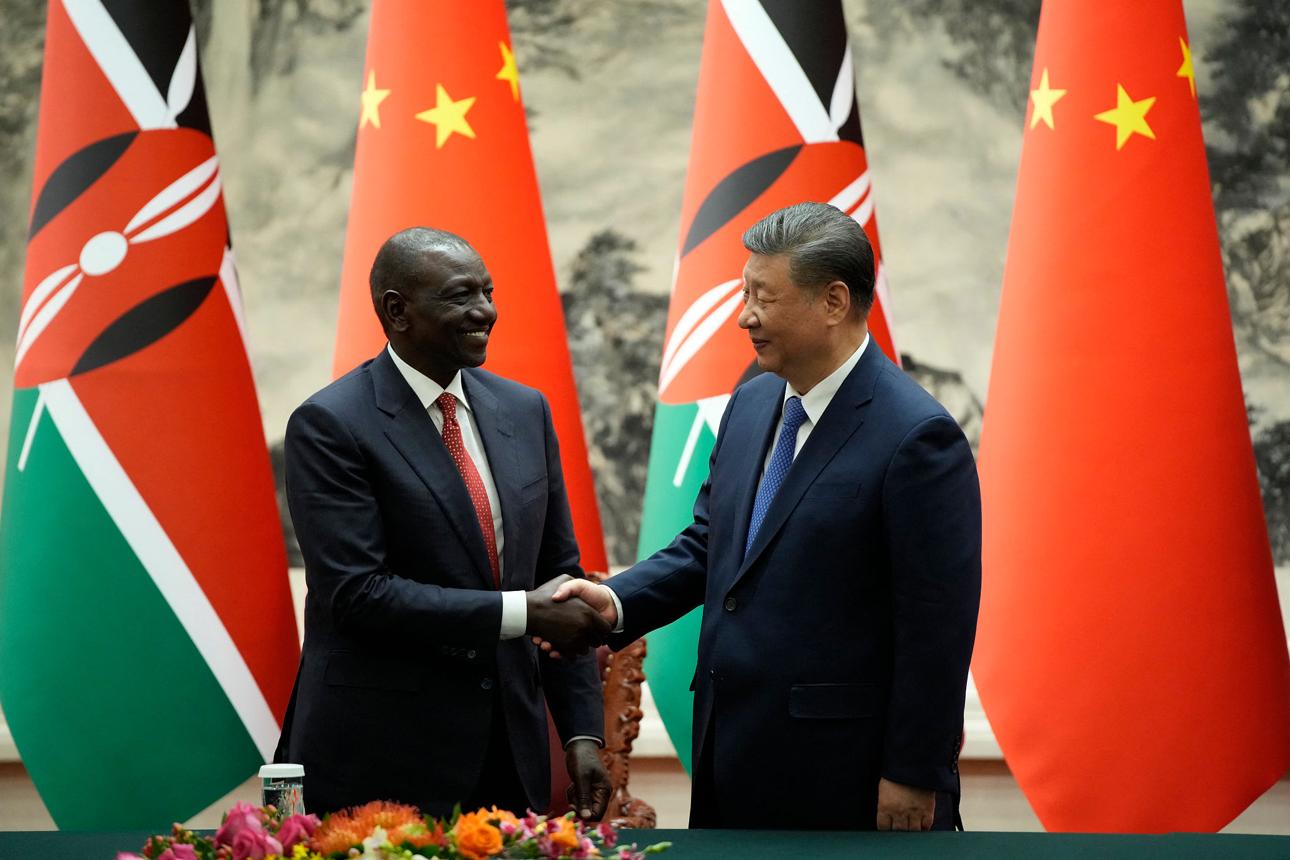
Kenya and China have signed four memoranda of understanding (MoUs) covering economic partnership, agriculture, livestock, and trade, marking a significant step in strengthening bilateral ties.
The agreements were concluded in Nairobi during talks between President William Ruto and Chinese Vice President Han Zheng on Tuesday.
Duty-Free Access to Chinese Market
A central outcome of the talks is a landmark trade deal granting duty-free and quota-free access for Kenyan exports to China, set to take effect in May.
The move is expected to significantly boost Kenya’s agricultural exports, particularly:
- Tea
- Coffee
- Macadamia nuts
- Avocados
China has been expanding tariff-free access to African countries as part of broader efforts to increase imports from the continent and deepen trade ties.
Speaking after the meeting, President Ruto described the discussions as “fruitful consultations,” expressing appreciation for China’s decision to open its market further to Kenyan produce.
Expanding Economic Cooperation
Beyond trade, the agreements signal deeper cooperation across multiple sectors, including:
- Infrastructure development
- Digital innovation
- Green energy
- Manufacturing and industrialisation
- Healthcare and education
Ongoing collaboration under public-private partnerships continues to deliver major infrastructure projects, notably the Standard Gauge Railway (SGR) extension and upgrades to key highways.
Strategic Context: US-China Competition
The agreements come at a time of intensifying geopolitical competition between China and the United States for influence in Africa.
China remains Africa’s largest trading partner, with annual trade volumes exceeding $280 billion, far outpacing the United States.
Notably, the Chinese Vice President’s visit followed a call between President Ruto and US Secretary of State Marco Rubio, during which both sides discussed bilateral cooperation and regional security.
According to a US State Department statement, Rubio thanked Ruto for Kenya’s stance on Middle East security issues and highlighted opportunities to further strengthen economic ties between Washington and Nairobi.
Balancing Global Partnerships
Kenya’s engagement with both Beijing and Washington underscores its strategic approach to balancing global partnerships while advancing national economic interests.
Analysts say the new agreements with China could:
- Expand export markets for Kenyan farmers
- Accelerate infrastructure development
- Enhance industrial capacity
However, they also highlight the need for careful management to ensure sustainable debt levels and equitable trade outcomes.
Outlook
With improved market access and expanded cooperation frameworks, Kenya is positioning itself to leverage global partnerships for economic growth.
The success of these agreements will depend on effective implementation, export competitiveness, and the country’s ability to navigate evolving geopolitical dynamics.