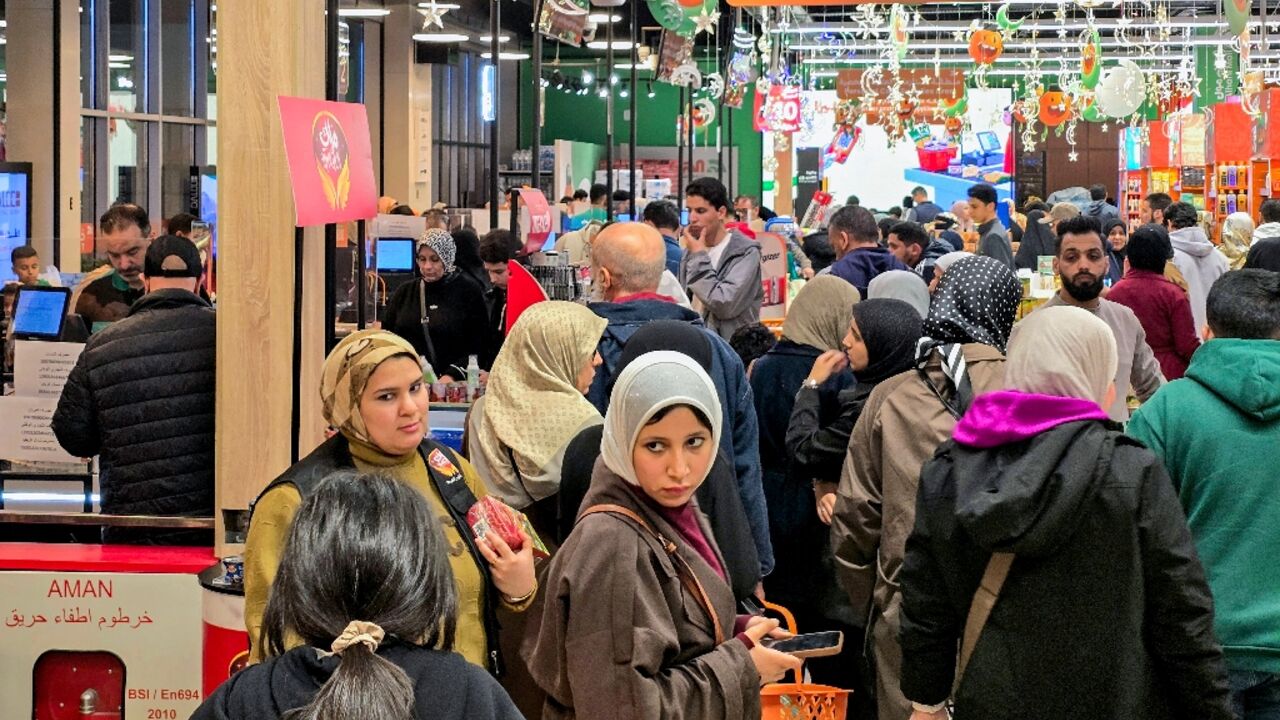
As Libyans mark the holy month of Ramadan with feasts and fireworks, soaring prices, a weakened currency, and persistent political divisions have left many citizens with little to celebrate.
Economic Hardship Amid Festivities
Supermarkets in Tripoli have begun rationing goods, while petrol stations face shortages and ATMs run dry. Residents report steep increases in basic commodities: cooking oil prices have doubled, meat and poultry costs have risen by half, and gas cylinders officially priced at 1.5 dinars ($0.24) are selling for up to 75 dinars ($11.85) on the black market.
Tripoli resident Firas Zreeg, 37, lamented the deteriorating economy, blaming currency speculation for the fall of the dinar, which he said has “negative repercussions on our daily lives.”
Political Divide and Currency Devaluation
Fifteen years after the fall of Muammar Gaddafi, Libya remains split between a UN-recognised government in Tripoli and an eastern administration backed by military strongman Khalifa Haftar.
Last month, the central bank in western Libya devalued the dinar for the second time in less than a year, citing the need to preserve financial stability. Prime Minister Abdulhamid Dbeibah admitted the move had “put the burden on citizens.”
International Concerns
Hanna Tetteh, head of the United Nations Support Mission in Libya, warned that poverty and social pressures are rising, adding that fragile security conditions could lead to “unexpected political and security challenges.” She highlighted the absence of a unified national budget, uncoordinated public spending, and declining oil revenues as key risks.
Fifteen Years Since Gaddafi’s Fall
On Tuesday, fireworks lit up Tripoli to mark 15 years since the uprising that toppled Gaddafi. Yet for many Libyans, daily life remains a struggle. Despite minor improvements in security, economic hardship continues to dominate the Ramadan experience.
Conclusion
Libya’s Ramadan celebrations reflect both resilience and frustration. While families gather for traditional meals, the economic crisis underscores the urgent need for political unity and financial reform to ease the burden on citizens.