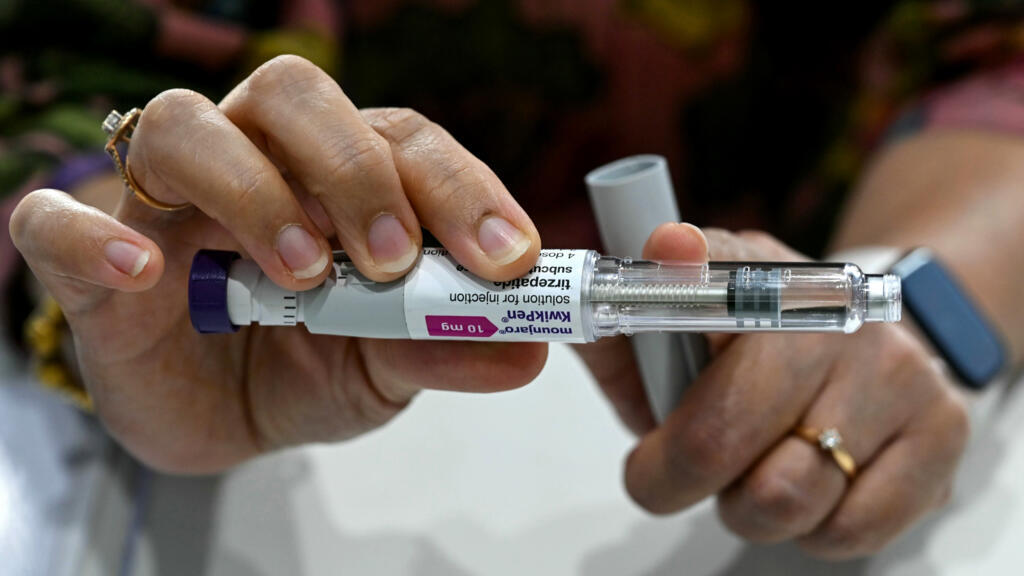
A wave of low-cost generic weight-loss drugs is poised to reshape the global fight against obesity following the expiry of a key patent for semaglutide in India on Friday. The development is expected to significantly expand access to treatments previously considered unaffordable for many, particularly in middle-income countries.
Semaglutide, the active ingredient in widely used drugs such as Ozempic and Wegovy, has been at the forefront of medical weight-loss treatments. However, high costs have limited access despite surging global demand.
Surge in Demand Anticipated
Clinics in major cities such as Mumbai are already preparing for increased demand. Endocrinologists report a steady rise in patients seeking weight-loss injections, with expectations that numbers could more than double once generic versions enter the market.
Doctors note that while demand is already high, affordability has remained the primary barrier. The introduction of generics is likely to unlock access for a broader segment of the population.
India’s Role as a Global Supplier
India, the world’s largest supplier of generic medicines, is expected to lead the rollout of affordable alternatives. Industry data indicates that more than 40 pharmaceutical companies are preparing to launch over 50 generic versions of semaglutide in the coming months. Some firms have already signaled immediate “Day 1” launches.
The timing coincides with a shift in India’s health profile. While undernutrition remains a challenge, obesity rates are rising rapidly due to urbanization and lifestyle changes. Government data shows that nearly a quarter of adults are now overweight or obese.
Breaking the Price Barrier
Currently, weight-loss treatments can cost between 15,000 and 22,000 Indian rupees ($161–$236) per month, placing them out of reach for many patients. Experts estimate that generic competition could reduce costs to around 5,000 rupees ($60) monthly, dramatically improving accessibility.
The global implications are significant. India supplies more than half of Africa’s generic medicines, raising the possibility that cheaper semaglutide could reach countries where obesity is rising but treatment options remain limited.
Global Impact and Industry Outlook
Research indicates that by the end of 2026, semaglutide patents will have expired in countries representing nearly half of the global obesity burden, including Brazil, China, South Africa, Turkey, and Canada.
Major pharmaceutical firms such as Eli Lilly and Novo Nordisk, which have dominated the market, may face increased competition as generics gain traction. Meanwhile, Indian companies are preparing to expand internationally, with some targeting markets such as Canada as early as 2026.
Caution from Experts
Health experts emphasize that while these drugs are effective, they are not a standalone solution. Obesity remains a complex condition requiring a combination of medical treatment, lifestyle changes, and preventive strategies.
Additionally, semaglutide-based treatments may cause side effects, including nausea and gastrointestinal issues, underscoring the need for proper medical supervision.