Antananarivo, Madagascar – Authorities in Madagascar have charged 13 suspects, including a senior military officer, over an alleged plot to assassinate interim leader Michael Randrianirina, intensifying concerns over political instability in the island nation.
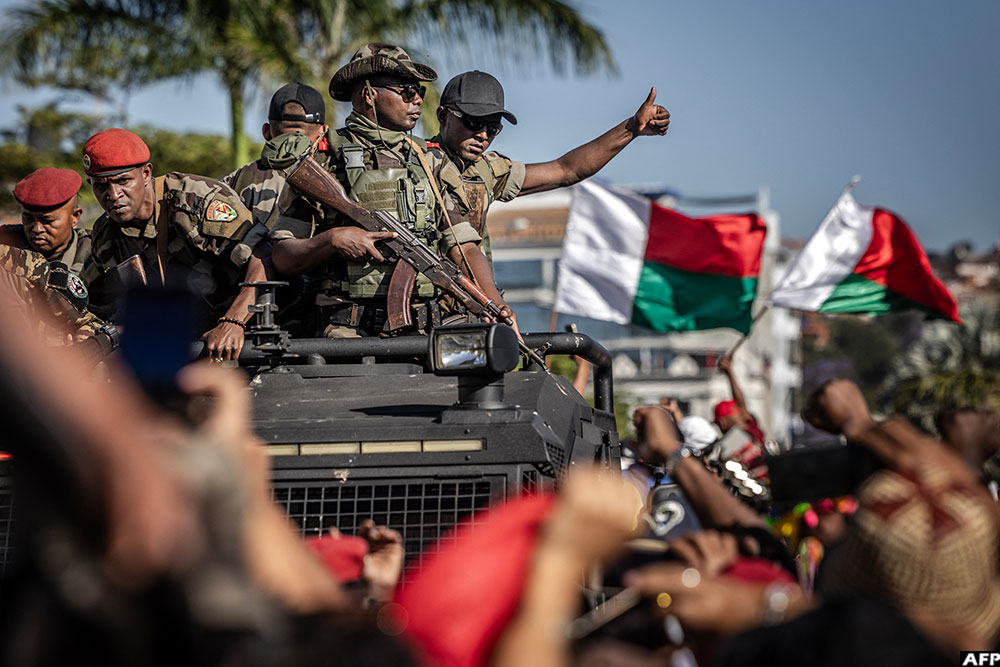
The charges come as Madagascar continues to grapple with unrest following last year’s youth-led protests that forced former president Andry Rajoelina from power. Randrianirina, who assumed office in October with backing from sections of the military, has since pledged to steer the country toward elections by 2027.
“Senior officers are among those involved in this case, including a general who has already expressed his intention to take part in a coup,” said state prosecutor Narindra Navalona Rakotoniaina.
Military Figures Implicated in Alleged Plot
According to prosecutors, 11 suspects have been placed in detention, while arrest warrants have been issued for others believed to be connected to the plot targeting the 52-year-old leader.
Although the general allegedly involved has not been publicly named, authorities confirmed that Colonel Patrick Rakotomamonjy, a former senior official at the presidency dismissed in January, was among those accused of designing and organising the operation.
“Evidence shows the operation was planned and coordinated, with funding traced to the suspects’ personal accounts,” Rakotoniaina said.
Investigators reportedly uncovered WhatsApp messages exchanged between the suspects, while searches at their homes led to the discovery of weapons and significant sums of money.
Political Turmoil Following Mass Protests
The alleged assassination plot emerges against a backdrop of continued political tension. Last year’s protests driven largely by young people were sparked by worsening water and electricity shortages and ultimately forced Rajoelina to flee the country.
Randrianirina’s rise to power was initially seen as a turning point, but his administration has faced criticism, particularly over the composition of his government.
“The transition has been marked by both hope and skepticism, especially among the youth movement that helped bring about change,” a political analyst noted.
In March, the interim leader dissolved his cabinet and announced a new government, again excluding representatives from the Gen Z movement that played a central role in the protests.
Uncertain Path to Stability
Despite pledging elections by the end of 2027, the unfolding investigation underscores the fragility of Madagascar’s political transition and the risks posed by divisions within both civilian and military ranks.
“This case highlights the volatility of the current political environment and the challenges of maintaining stability,” an observer said.
As authorities continue their investigation, the case is likely to deepen scrutiny of the interim government’s ability to manage internal security and guide the country toward a credible democratic process.