
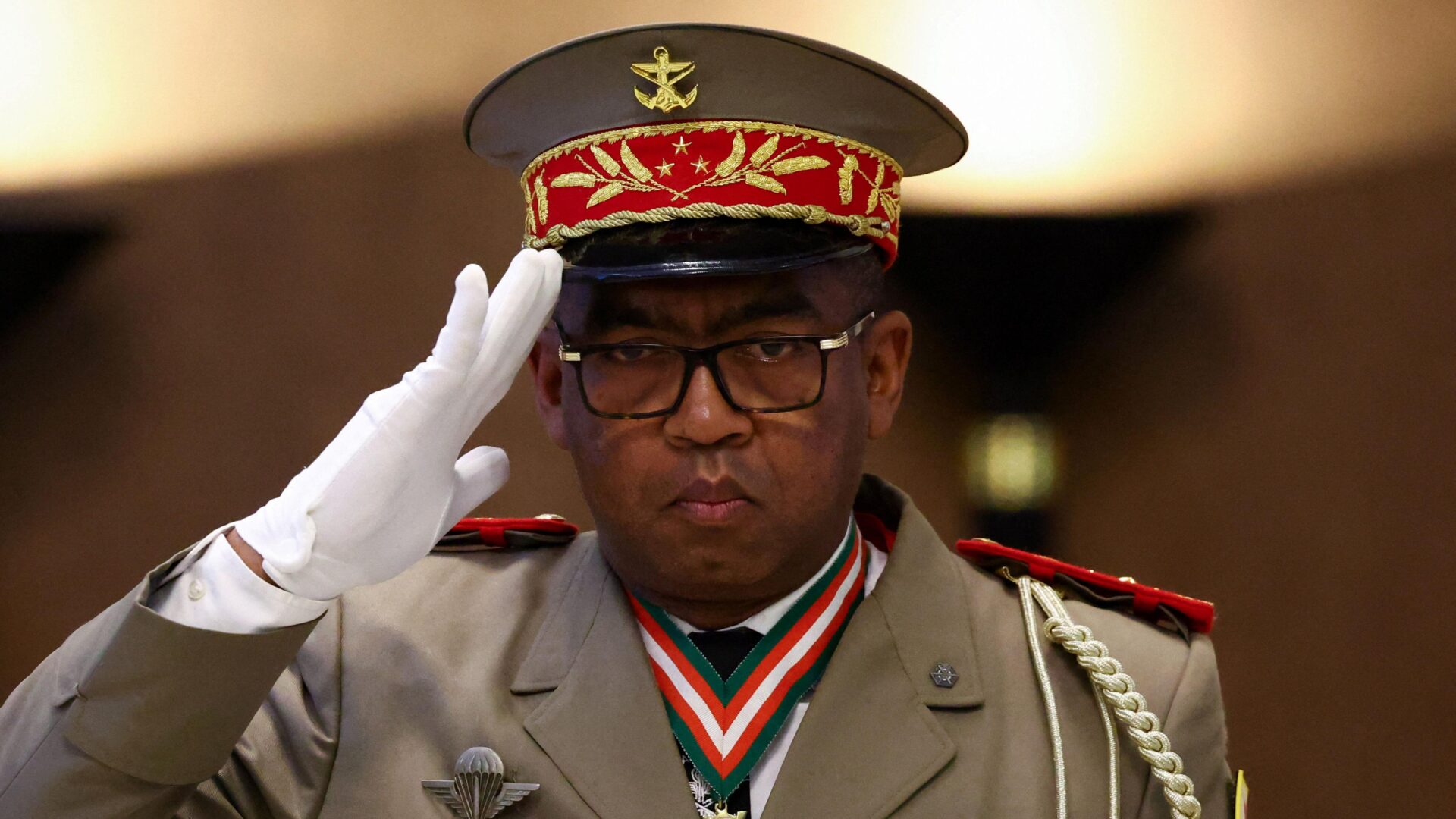
Madagascar’s embattled President Andry Rajoelina has appointed Army General Ruphin Fortunat Zafisambo as the country’s new Prime Minister, in what analysts see as an attempt to quell the ongoing youth-led protests shaking his administration.
The appointment, announced late Monday, comes just days after Rajoelina expressed fears of a potential coup. The president said Madagascar needed “a premier capable of restoring order and the people’s trust,” signalling a shift toward a more militarised government as he seeks to secure army backing amid growing unrest.
However, the move has been met with sharp resistance. The protest movement known as Gen ZMada, which has spearheaded demonstrations since September 25, immediately rejected the appointment and gave Rajoelina 48 hours to resign.
“As long as Rajoelina remains in power, we will continue the struggle,” the group said in a statement.
Former President Marc Ravalomanana, a key supporter of the Gen Z movement, dismissed the appointment as “pointless,” telling the BBC that it would not address the core grievances driving public anger.
The protests — initially sparked by persistent water and power outages — have expanded into broader demands over corruption, unemployment, and the cost-of-living crisis. According to the United Nations, at least 22 people have died and more than 100 injured, though the government disputes those figures.
Rajoelina last week dissolved the civilian-led cabinet of former Prime Minister Christian Ntsay, promising reforms that have so far failed to pacify the streets. The unrest has since spread to multiple cities, including Antananarivo, Toliara, and Diego Suarez, with frequent clashes between demonstrators and security forces.
Gen Zafisambo previously served as director of the military cabinet in the prime minister’s office — a role that deepens concerns among critics about the growing militarisation of Rajoelina’s administration.
Ravalomanana, who was ousted in a 2009 uprising that first brought Rajoelina to power, warned that Madagascar risks repeating history if the president continues to ignore public sentiment.
Despite being rich in natural resources, Madagascar remains one of the poorest nations globally, with 75% of citizens living below the poverty line and only one-third of its 30 million people having access to electricity, according to the World Bank and IMF.

