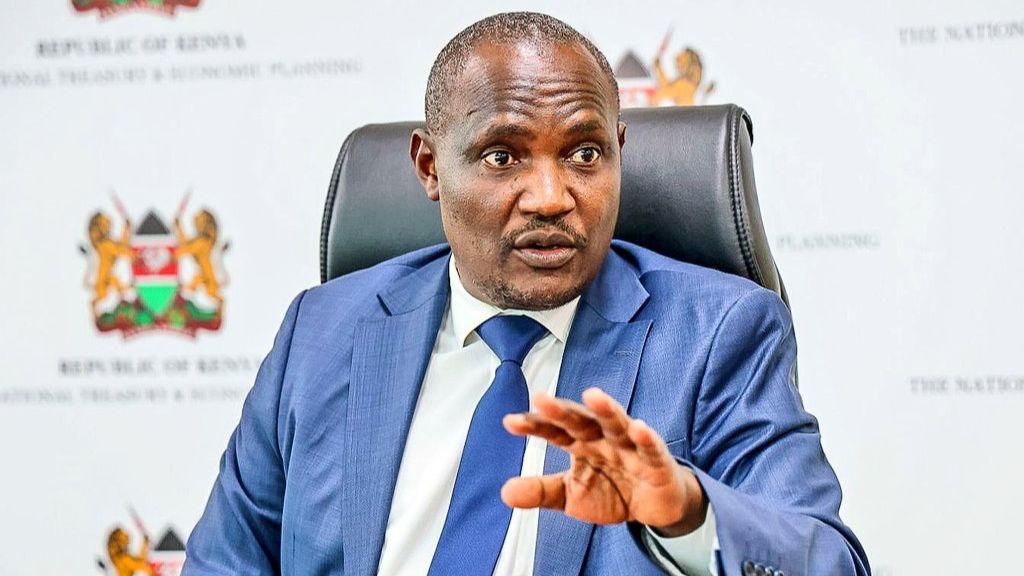
The escalating conflict in the Middle East featured prominently during recent discussions between officials from the International Monetary Fund and Kenya’s Treasury leadership, highlighting concerns about the potential economic impact on the East African nation.
The talks took place between February 24 and March 4, 2026, and involved John Mbadi, Kenya’s Cabinet Secretary for the National Treasury and Economic Planning. An IMF delegation from Washington, led by Haimanot Teferra, travelled to Kenya to review recent economic developments and assess potential global risks affecting the country.
Rising Middle East Tensions Raise Economic Concerns
The IMF team and Kenyan officials examined the growing confrontation involving the United States, Israel, and Iran, which has intensified following coordinated military actions against Iranian targets.
The conflict escalated after the killing of Iran’s Supreme Leader Ali Khamenei and other senior government figures, triggering retaliatory strikes from Tehran and raising fears of a wider regional war.
IMF officials warned that such geopolitical instability could have ripple effects across global markets, potentially impacting countries like Kenya through disrupted trade, energy prices, and financial volatility.
IMF Urges Stronger Fiscal Discipline
In light of these risks, the IMF urged the Kenyan government to strengthen fiscal discipline and improve governance mechanisms to cushion the economy against external shocks.
The fund also emphasized the importance of improving public sector efficiency and strengthening institutional credibility to support economic resilience.
The Kenyan delegation included Kamau Thugge, Governor of the Central Bank of Kenya, along with officials from various government ministries, oversight bodies, civil society groups, and representatives from the private sector and development partners.
Export Sectors Already Feeling the Impact
The conflict is already affecting some Kenyan industries that rely heavily on Middle Eastern markets.
During the Ramadan period, exporters reported disruptions following the closure of several flights to the region. Meat exporters say they could incur losses of up to KSh1 billion as trade routes remain affected.
The tea industry has also raised alarm over potential market losses in the region. According to George Ouna, Director of the East African Tea Traders Association, Kenya risks losing between 20% and 25% of its tea market in the Middle East if the conflict persists.
Kenya’s IMF Programme Discussions Continue
Ahead of the meetings, Treasury CS John Mbadi clarified that the talks were not aimed at negotiating a new loan agreement but were instead focused on technical consultations.
Kenya previously requested a new financial support programme after the expiration of its earlier agreement with the IMF in April.
The country had been operating under the Extended Fund Facility (EFF) and Extended Credit Facility (ECF) arrangements, which were designed to support nations facing structural economic challenges and inflationary pressures.
Under the 2021 agreement, the IMF had committed about KSh467.5 billion to Kenya through the EFF and ECF programmes. Kenya eventually accessed around KSh404 billion, leaving roughly KSh63.4 billion undrawn when the government decided to terminate the programme.
Currently, the only active IMF arrangement with Kenya is the Resilience and Sustainability Facility, which focuses on supporting climate-related reforms and long-term economic sustainability.
Balancing Global Risks and Domestic Stability
The ongoing discussions reflect Kenya’s efforts to navigate growing global economic uncertainty while maintaining domestic fiscal stability.
With geopolitical tensions rising and trade disruptions already affecting exporters, policymakers are increasingly under pressure to adopt strategies that protect the country’s economic growth and shield key industries from international shocks.