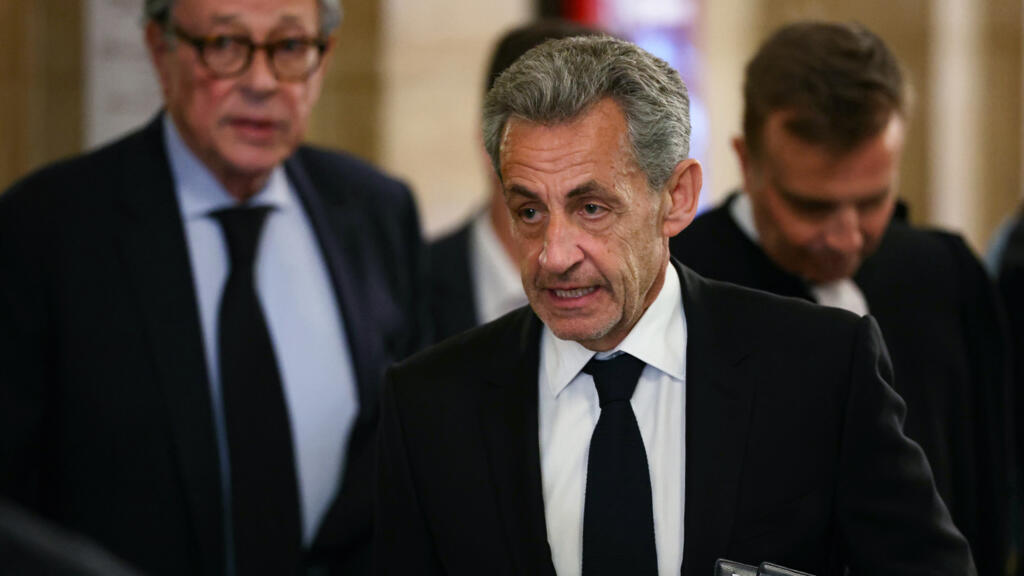
Former French president Nicolas Sarkozy appeared in court on Monday as his appeal trial opened in the high-profile case concerning alleged Libyan financing of his 2007 presidential campaign.
The proceedings mark the second phase of a legal battle that has already resulted in a five-year prison sentence for the former leader, handed down by a Paris court last year. The appeal hearings are scheduled to run until 3 June.
The case centres on accusations that Sarkozy reached a secret agreement with former Libyan leader Muammar Gaddafi to secure financial support for his successful bid in the 2007 French presidential election.
Prosecutors allege that under the proposed arrangement, Gaddafi would provide financial backing for Sarkozy’s campaign in exchange for diplomatic and political support that could help restore Libya’s standing on the international stage.
Investigators claim the alleged deal was negotiated by two of Sarkozy’s close political associates.
During the first trial, the court found Sarkozy guilty of criminal conspiracy connected to the case. However, judges did not determine that he had directly received or used Libyan funds to finance his election campaign.
Despite that distinction, the Paris court sentenced the former president to five years in prison in September. Sarkozy spent around twenty days in custody before being released.
He immediately appealed the ruling and has consistently denied the accusations, insisting he did not engage in any illicit arrangement with the Libyan government.
The appeal trial now underway in Paris will re-examine the evidence and legal arguments presented during the initial proceedings.
Under French law, the start of a new trial means that Sarkozy is once again presumed innocent until the appeals court delivers its final judgment.
The case is considered unprecedented in France, as it involves a former head of state accused of illicit foreign funding tied to a presidential campaign.
Legal analysts say the outcome could have significant implications for political accountability and campaign financing regulations in the country.