
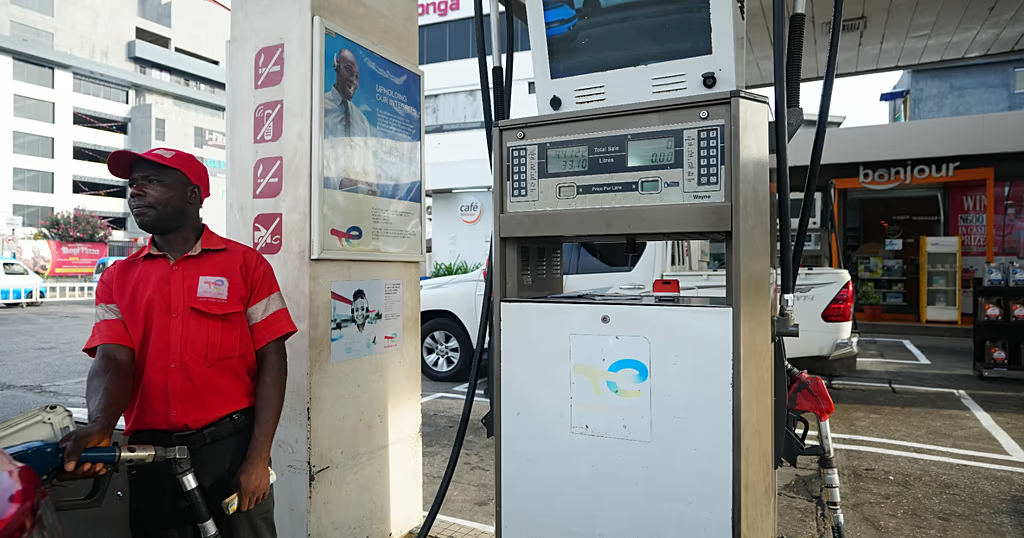
Nigeria is grappling with a steep fuel price surge, even after the launch of the Dangote Refinery, Africa’s largest oil processing facility. Fuel prices have risen by approximately 65%, the sharpest increase among major African economies, placing significant strain on households and businesses.
The Dangote Refinery, expected to reduce Nigeria’s dependence on imported petroleum and stabilize domestic fuel costs, has yet to ease the crisis. A substantial portion of Nigeria’s crude production remains tied to debt repayments to international lenders and energy companies, limiting the volume available for local consumption.
The situation has been exacerbated by ongoing conflicts in the Middle East, which have disrupted global supply routes and pushed crude oil prices above $100 a barrel.
For Nigerians, the impact is immediate and tangible. Transport costs have increased sharply, food prices have doubled in some cases, and businesses are facing rising operating expenses. Widespread electricity outages have forced many households and companies to rely on fuel-powered generators, heightening vulnerability to fuel price fluctuations.
The Nigerian government has opted not to reintroduce fuel subsidies, instead emphasizing long-term market reforms with limited short-term relief measures. Analysts warn that without structural interventions, fuel volatility could continue to affect inflation, commerce, and daily life across the country.

