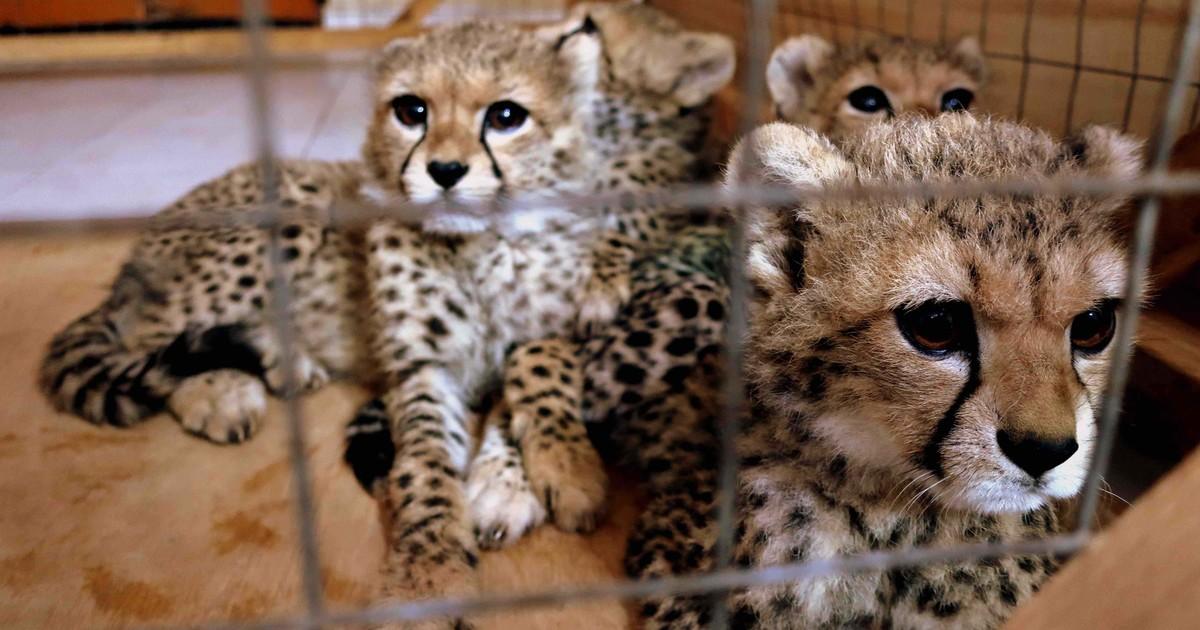
A growing number of rescued cheetahs are finding sanctuary in the Horn of Africa, offering a fragile lifeline to a species increasingly threatened by illegal wildlife trafficking.
Inside a heavily guarded conservation facility run by the Cheetah Conservation Fund, 127 cheetahs roam enclosed savannah terrain many of them survivors of a brutal smuggling network that targets the animals as exotic pets for buyers in the Gulf.
Survivors of a Deadly Trade
Most of the cheetahs now in care were taken from the wild as cubs, often separated from their mothers at a young age. Conservationists say the trafficking route stretching from parts of Somaliland and Ethiopia across the Gulf of Aden is devastatingly lethal.
Experts estimate that for every cub that survives the journey to buyers, several others die due to stress, dehydration, or poor handling.
Dr. Laurie Marker, founder of the conservation fund, says the scale of the crisis has intensified sharply.
“It breaks my heart,” she said, warning that cheetahs are wild predators essential to ecosystem balance, not domesticated animals.
Rising Numbers, Growing Pressure
The sanctuary has seen a surge in rescues over the past year, with dozens of cubs arriving a significant increase compared to previous periods. The facility now holds a notable proportion of the region’s remaining cheetah population.
Across the Horn of Africa, only about 600 cheetahs are believed to remain in the wild, placing the species in a highly vulnerable position.
Enforcement Efforts Underway
Authorities in Somaliland have begun intensifying efforts to curb trafficking. Security agencies, including coastal patrol units, have reported arrests of suspected smugglers and interceptions of trafficked wildlife in recent years.
Despite these actions, the illegal trade remains persistent, driven by high demand and limited enforcement capacity across remote regions.
Conservation Challenges and Future Outlook
One of the major obstacles facing long-term conservation is the absence of formal national parks in Somaliland. Without protected habitats, reintroducing rescued cheetahs into the wild remains a complex challenge.
Efforts are underway to establish conservation zones that could eventually support rewilding programs. However, experts caution that without sustained intervention, some cheetah populations could face local extinction.
For now, the sanctuary represents both a refuge and a stark reminder of the pressures facing one of the world’s fastest land animals a species caught between survival and a thriving illegal trade.