
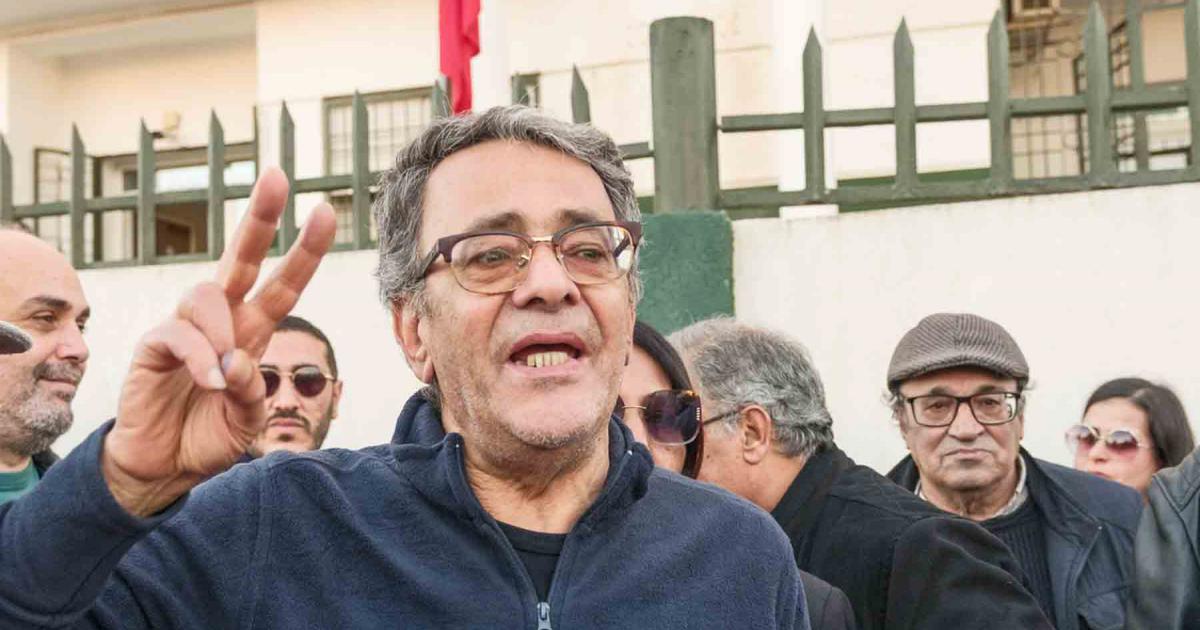
Ahmed Souab, a prominent Tunisian lawyer, rights advocate, and former judge, was released from prison on Monday, February 23, 2026, after serving a 10-month sentence handed down by an anti-terror court.
Arrest and Trial
Souab, 69, was detained in April 2025 after condemning a mass trial of public figures in which he had served on the defense team. He alleged that judges were under political pressure to deliver harsh sentences, accusing authorities of putting “a knife to the throat of the judge who was to deliver the verdict.”
He was charged under Decree 54, a law enacted by President Kais Saied in 2022 to combat “false news,” which rights groups argue has been broadly interpreted to silence dissent. Souab was tried by an anti-terror court after making a gesture mimicking a knife to the throat alongside his comments.
In October 2025, he was sentenced to five years in prison in a trial that lasted less than two minutes. On appeal, his sentence was reduced to 10 months, which he has now completed.
Release and Reaction
Upon his release from Tebourba prison, about 30 kilometers west of Tunis, Souab declined to comment but flashed a V-sign as relatives embraced him. His family had previously requested his release on health grounds, citing a heart attack he suffered in 2022, but the request was denied earlier this month.
Wider Context
Souab’s detention followed a mass trial in which around 40 critics of President Saied were sentenced to up to 45 years in prison for “conspiracy against state security” and “belonging to a terrorist group.” Rights advocates, including UN Special Rapporteur Mary Lawlor, have condemned Souab’s conviction as baseless.
Since Saied’s power grab in July 2021, when he dissolved parliament and began ruling by decree, civil liberties in Tunisia have sharply declined, according to human rights groups.
Conclusion
Souab’s release marks the end of a controversial case that has drawn international criticism and highlighted Tunisia’s shrinking space for dissent. As the country continues to grapple with political repression, his case remains emblematic of broader concerns over judicial independence and civil rights.

