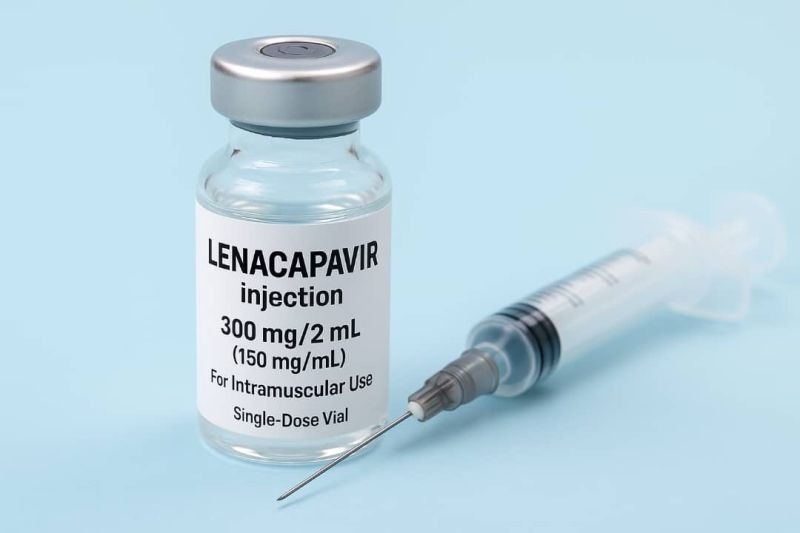
South Africa is exploring plans to manufacture a key HIV prevention medication domestically as part of a broader strategy to expand treatment access and strengthen the country’s pharmaceutical manufacturing sector.
Government officials are working with international partners, including Unitaid and United States Pharmacopeia, to identify a local pharmaceutical company capable of producing the long-acting HIV prevention drug Lenacapavir.
The medication, originally developed by Gilead Sciences, is administered as an injection twice a year and has been widely hailed by health experts as a major breakthrough in HIV prevention.
Expanding Access in the World’s Hardest-Hit Country
South Africa continues to carry the world’s largest HIV burden, with approximately eight million people living with the virus. Health authorities believe that producing the drug locally could significantly reduce costs and expand access for patients at risk of infection.
Currently, supplies of lenacapavir are largely distributed through donor-supported programmes. However, public health specialists warn that demand for the medication could soon exceed available global supplies as more countries seek to incorporate it into prevention strategies.
By establishing domestic manufacturing capacity, South Africa aims to ensure a more stable supply of the drug while also supporting regional health initiatives across Africa.
Part of Global Licensing Programme
The initiative is expected to fall under Gilead Sciences’ voluntary licensing programme, which allows approved generic manufacturers in lower- and middle-income countries to produce and distribute the drug.
Through the programme, licences have already been granted to pharmaceutical companies in countries including India, Egypt and Pakistan. These agreements permit distribution of generic versions of the drug across more than 120 countries, including South Africa.
Health policymakers say establishing production facilities locally could accelerate availability not only within South Africa but also across other middle-income markets facing similar HIV prevention challenges.
Strengthening Africa’s Pharmaceutical Capacity
Beyond improving access to treatment, the move is part of a wider effort by the South African government to boost domestic pharmaceutical production and reduce reliance on imported medicines.
If successful, the project could position the country as a regional manufacturing hub for advanced HIV prevention therapies and contribute to global efforts to reduce new infections.
Public health advocates say expanding access to long-acting prevention drugs such as lenacapavir could be a critical step toward controlling the HIV epidemic, particularly in regions where infection rates remain high.