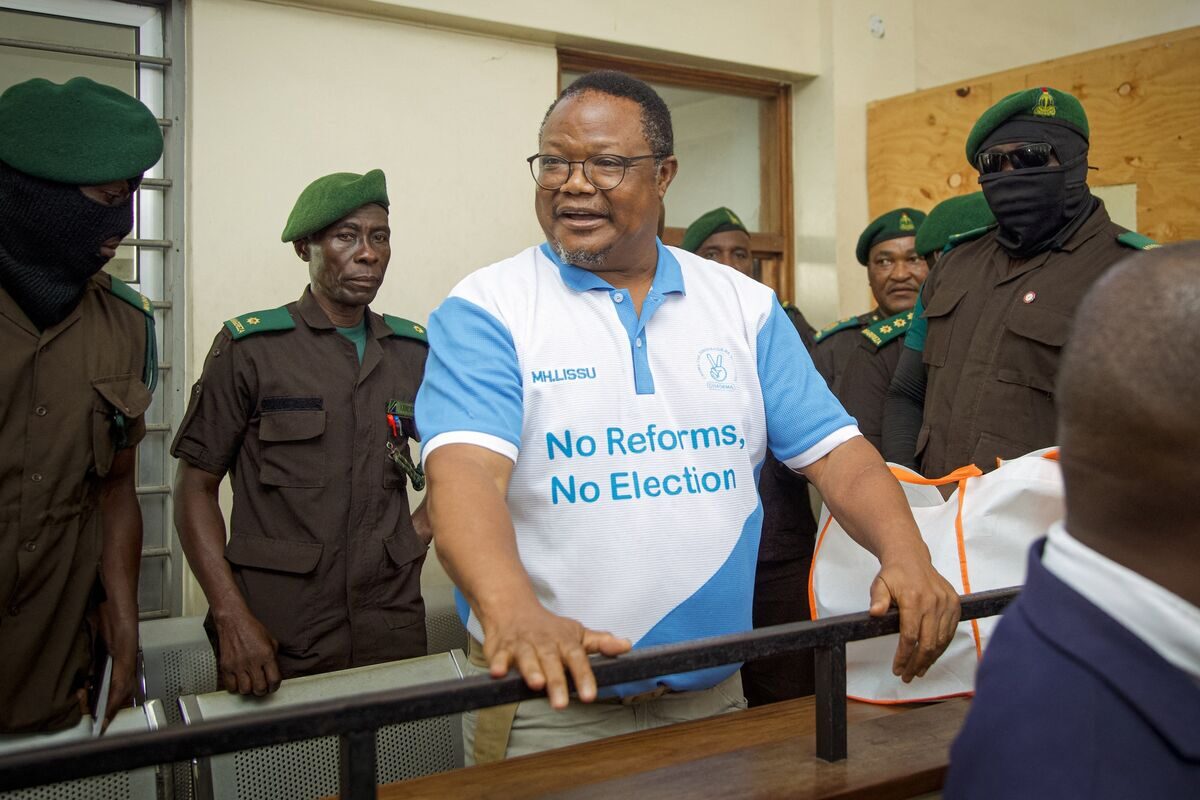
Tanzanian opposition leader Tundu Lissu is set to stand trial for treason on Monday, just weeks before a national election from which his party, CHADEMA, has been barred from participating — a move that has sparked widespread concern over the state of democracy and political freedoms in the country.
Lissu, who was the runner-up in the 2020 presidential election, was arrested in April after prosecutors accused him of making a speech urging citizens to “rebel and disrupt” the upcoming polls. His legal team has dismissed the charges as politically motivated, arguing that the case is designed to silence dissent and weaken opposition momentum ahead of the October 28 vote.
A History of Political Persecution
The CHADEMA leader is no stranger to political danger. In 2017, Lissu survived an assassination attempt after being shot 16 times in Dodoma. The attack remains unsolved, with no suspects ever brought to court.
Now, the veteran opposition figure faces what could be the most consequential trial of his career. His case will proceed without live media coverage, after the court granted a state prosecutor’s request to conceal witness identities.
A Tightening Grip Ahead of the Polls
The Tanzania Electoral Commission barred CHADEMA from the October elections earlier this year, citing the party’s refusal to sign a government-drafted code of conduct — a move critics call a thinly veiled tactic to eliminate political competition.
The commission also disqualified the leader of ACT-Wazalendo, the country’s second-largest opposition party, effectively leaving President Samia Suluhu Hassan to face minor challengers in what analysts predict will be a one-sided contest.
From Reformer to Repressor?
President Hassan, who assumed office in 2021 after the death of John Magufuli, initially earned praise for relaxing political restrictions and reopening media space. However, her administration has faced growing criticism over reports of abductions, harassment, and arrests of opposition figures and critics.
While Hassan has denied overseeing human rights abuses and ordered an investigation into the alleged kidnappings, no findings have been released to date — fueling suspicions of a cover-up.
A Democracy Under Pressure
Observers warn that the trial of Lissu and the exclusion of major opposition parties threaten to undermine Tanzania’s democratic credibility and revive the climate of fear that marked the Magufuli era.
As the election approaches, all eyes are on the Dar es Salaam court — and on a nation once hailed as a regional model of stability, now struggling to reconcile power, politics, and the promise of reform.