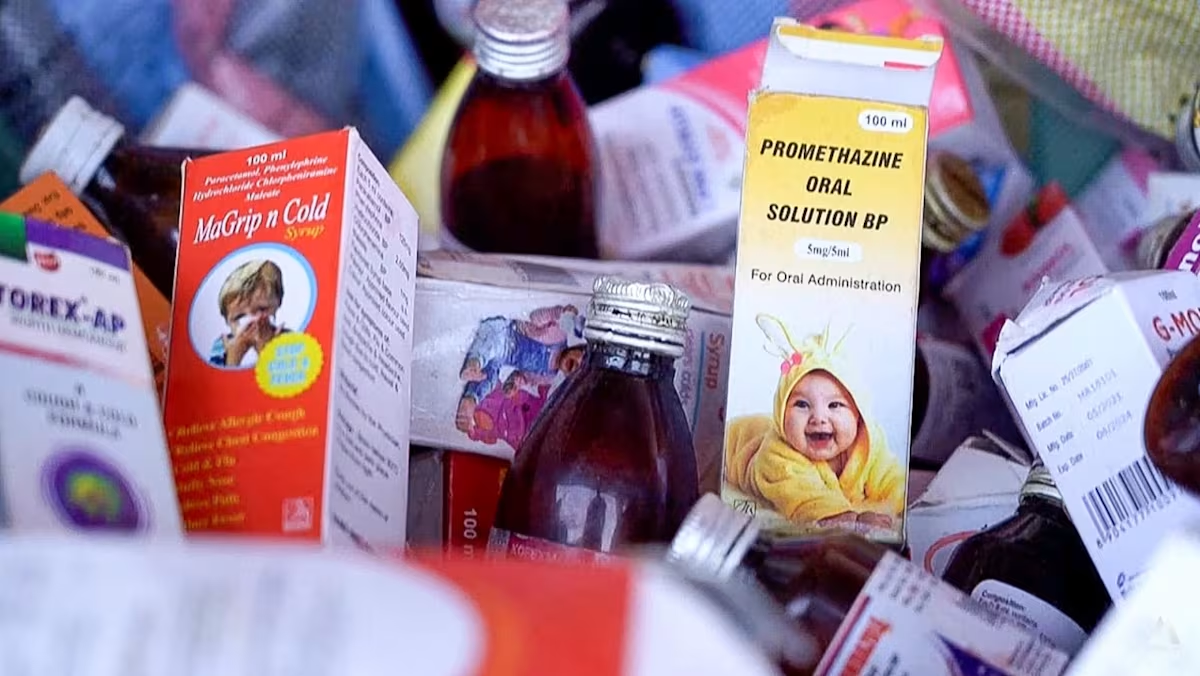
A devastating series of child deaths in Madhya Pradesh has once again spotlighted the dangers of unsafe cough syrups and the persistent weaknesses in India’s pharmaceutical oversight. At least 11 children aged one to six died in early September after consuming a locally produced cough syrup later found to contain 48.6% diethylene glycol — a toxic industrial solvent that causes kidney failure.
The tragedy mirrors earlier incidents, including the 2023 deaths of 70 children in The Gambia and 18 in Uzbekistan, both linked to Indian-made syrups tainted with the same poison. Despite repeated promises of reform, contaminated products continue to circulate, exposing systemic failures in India’s fragmented drug regulation system.
A Recurring Pattern of Negligence
Investigations revealed that the contaminated syrup was one of many produced by smaller, unregulated manufacturers that dominate India’s over-the-counter drug market. Regulators have since suspended sales, seized samples, and ordered investigations, but critics argue these are reactive measures that fail to address deeper structural problems.
India’s cough syrup market, valued at $262.5 million in 2024 and projected to triple by 2035, remains largely under-policed. Weak enforcement, inadequate testing, and a sprawling network of informal sellers allow substandard drugs to reach the most vulnerable — especially children in rural and low-income areas.
Overuse and Misuse of Cough Syrups
Doctors say the crisis extends beyond toxic contamination. Cough syrups are overprescribed and misused, despite limited medical benefit.
“Most childhood coughs are viral and resolve on their own,” says Dr. Rajaram D. Khare, a paediatrician in Mumbai. “No syrup shortens their course; at best, they offer comfort, and at worst, they carry risks of addiction or toxicity.”
Experts note that rising air pollution in cities has led to more persistent coughs, often misdiagnosed as infections and treated with unnecessary syrups. Meanwhile, in rural India, up to 75% of primary care visits are handled by informal practitioners or unqualified “RMPs,” who routinely dispense cough syrups for every ailment.
Systemic Failures and Cultural Habits
The continued misuse of cough syrups reflects a deep cultural and systemic problem — from poorly trained healthcare providers to anxious parents demanding quick fixes.
“Parents often pressure doctors for fast results,” says Dr. Kafeel Khan, a paediatrician formerly posted in Uttar Pradesh. “When one doctor refuses, they find another who will prescribe syrup.”
Adding to the problem is the easy availability of these medicines, often sold without prescriptions by shopkeepers posing as pharmacists.
The Path Forward
Public health experts, including Dinesh Thakur, a former drug executive, say India urgently needs a national policy on cough syrups, stronger regulatory oversight, and widespread awareness campaigns targeting both doctors and parents.
“These tragedies are not isolated accidents — they’re symptoms of a broken system,” Thakur warns. “Without reform, we’ll keep repeating this painful cycle.”
As investigations continue in Madhya Pradesh and Rajasthan, India faces a critical reckoning: reform its drug regulation and prescribing culture, or risk more preventable child deaths from medicines meant to heal.