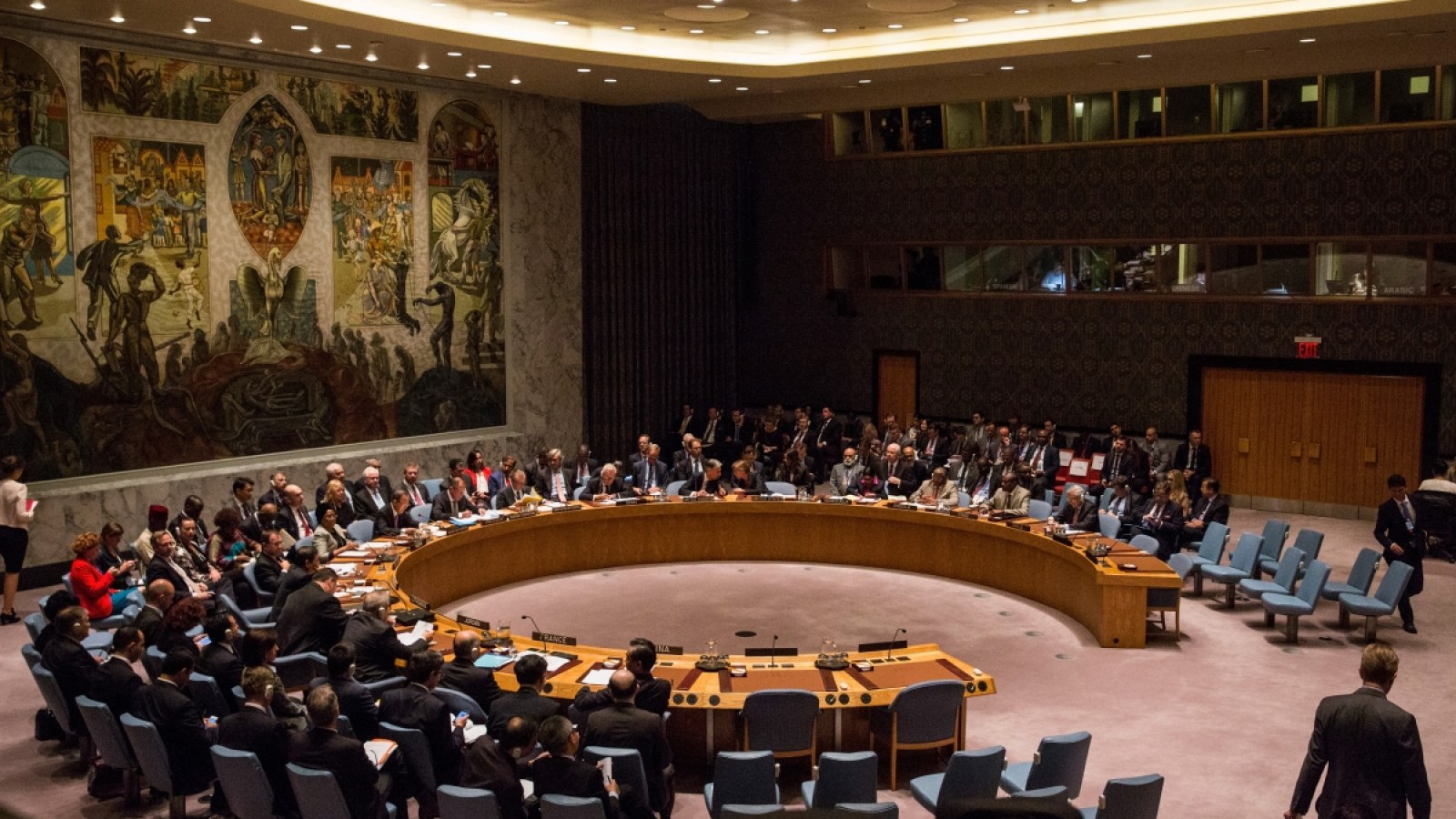
New York, USA – The United Nations Security Council was briefed on Wednesday by senior counter-terrorism officials who warned that the threat posed by the Islamic State (IS) group has steadily increased and remains multipolar, complex, and deeply entrenched across several regions.
Acting Undersecretary-General of the U.N. Office of Counter-Terrorism, Alexandre Zouev, highlighted the urgency of the situation in West Africa and the Sahel, where IS affiliates continue to expand their influence.
Resilience and Adaptation
Zouev told the Council that despite sustained counter-terrorism pressure, IS and its affiliates have demonstrated resilience and adaptability.
“The group and its affiliates continued to adapt and demonstrate resilience despite sustained counter‑terrorism pressure. The group continued to recruit foreign terrorist fighters, and to enhance their use of new and emerging technologies,” he said.
He noted that IS has maintained access to funding streams through opportunistic fundraising, unlawful taxation, and kidnapping for ransom.
Regional Hotspots
- Lake Chad Basin: The Islamic State West Africa Province (ISWAP) has expanded its prominence, posing a growing threat to regional stability.
- Middle East: IS remains active in Iraq and the Syrian Arab Republic, carrying out attacks and attempting to destabilize local authorities. Zouev emphasized that the security situation in Syria remains “very fragile.”
Call for Global Cooperation
Natalia Gherman, Executive Director of the Counter-Terrorism Committee Executive Directorate, underscored the importance of collective action.
“The efforts of the United Nations to address Da’esh threat are critical. These efforts require adequate resources and the cooperation of all Member States to achieve our shared goal; a world free from terrorism,” Gherman said.
She stressed that amid vast changes across the U.N. system, the shared mission of preserving international peace and security must remain central.
Conclusion
The briefing underscores the evolving and persistent nature of the Islamic State threat, particularly in regions already grappling with instability. As IS adapts and expands, U.N. officials are urging Member States to strengthen cooperation, mobilize resources, and reinforce counter-terrorism strategies to safeguard global peace and security.