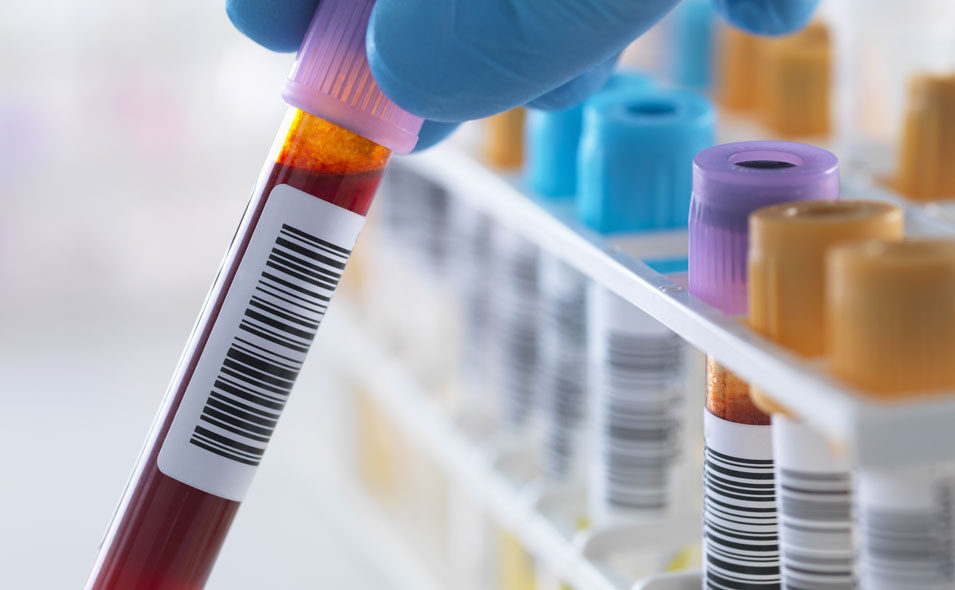
The world’s largest analysis of key blood compounds is set to revolutionize early disease detection, enabling simple pinprick tests to identify health risks more than a decade before symptoms appear, researchers report.
The breakthrough follows a comprehensive project by the UK Biobank, which measured nearly 250 proteins, sugars, fats, and other molecules in blood samples from 500,000 volunteers. By combining these molecular profiles with medical records and mortality data, scientists can now predict the likelihood of a wide range of diseases, including diabetes, heart disease, cancer, and dementia.
Dr. Joy Edwards-Hicks of the University of Edinburgh, who studies how metabolic changes affect the immune system, described the development as “a real game-changer.” She emphasized that early predictive tests shift healthcare from reactive treatment to proactive prevention. “With a simple pinprick blood sample, we can assess someone’s health and advise on interventions long before symptoms appear,” she said.
The project, conducted in partnership with Nightingale Health, analyzed hundreds of metabolites molecules involved in breaking down food, medicines, and energy usage by organs. Variations in these metabolites provide insights into organ function: a diseased liver may raise ammonia levels, kidney dysfunction elevates urea and creatinine, muscle damage shows in lactate, and cancer increases glucose uptake.
Unlike genetic tests, which are static, metabolic profiles are highly dynamic, reflecting not only inherited traits but also environmental and lifestyle factors such as diet, exercise, pollution, and stress. Dr. Julian Mutz from King’s College London explained, “These profiles capture both genetic predispositions and environmental influences, giving a comprehensive snapshot of a person’s physiological state.”
Access to the profiles for 500,000 volunteers allows scientists to develop more accurate predictive tests across a broader range of conditions. Dr. Mutz uses the data to forecast dementia risk, potentially enabling interventions 10–15 years in advance. The dataset could also enhance understanding of rarer neurodegenerative diseases like frontotemporal dementia.
Researchers at the University of Oxford, including Dr. Najaf Amin, have explored how males and females age differently and respond to medications, offering insights into personalized treatment approaches.
Since its launch in 2006, the UK Biobank has provided researchers with a rich resource linking genetics, lifestyle, environment, and health outcomes. Prof. Naomi Allen, chief scientist at UK Biobank, noted, “Studying metabolites offers a powerful way to identify early disease markers, understand disease progression, and monitor treatment effectiveness.”
This milestone opens the door for highly accessible, minimally invasive blood tests that could transform preventive medicine and improve long-term health outcomes worldwide.