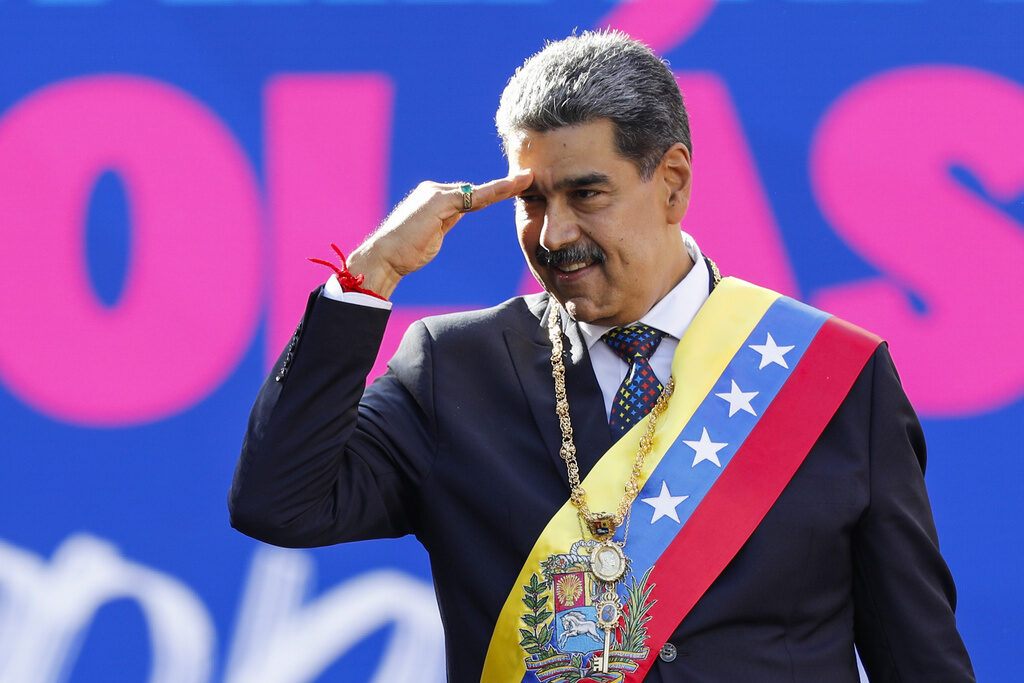
Following President Donald Trump’s announcement that U.S. forces had captured Venezuelan President Nicolás Maduro, here is a summary of key facts about the controversial leader.
Early Life
Nicolás Maduro was born on November 23, 1962, into a working-class family in Venezuela. His father was a trade union leader. During the early 1990s, Maduro worked as a bus driver while army officer Hugo Chávez led a failed coup attempt in 1992.
Political Rise
Maduro campaigned for Chávez’s release from prison and became a devoted supporter of Chávez’s leftist policies. After Chávez was elected president in 1998, Maduro won a seat in the legislature. He later rose to President of the National Assembly and served as Foreign Minister, travelling internationally to build alliances and promote oil-financed assistance programs.
Presidency
Chávez hand-picked Maduro as his successor. Following Chávez’s death in 2013, Maduro was narrowly elected president. His administration has been marked by a severe economic crisis, including hyperinflation, food shortages, and mass emigration.
Controversies and Sanctions
Maduro’s rule has been widely criticized for alleged electoral fraud, rights abuses, and harsh crackdowns on protests in 2014 and 2017. His government has faced aggressive sanctions from the U.S. and other international powers. In 2020, Washington indicted him on corruption and other charges, which Maduro has rejected.
Recent Terms
Maduro was sworn in for a third term in January 2025 after the 2024 election, widely condemned as fraudulent by international observers and the opposition. Thousands of protesters opposing the election results were jailed.
Human Rights Concerns
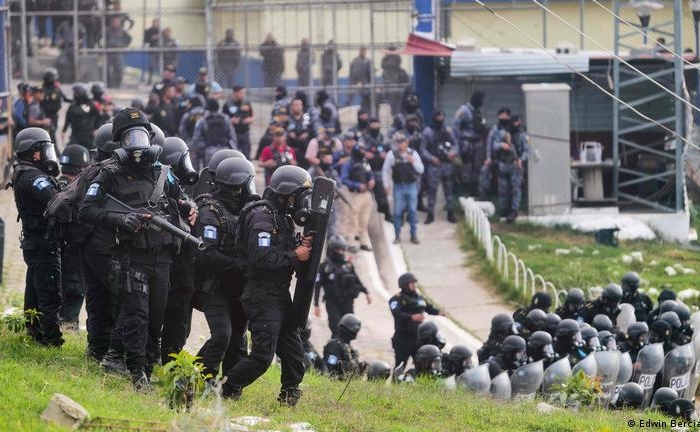
A U.N. Fact-Finding Mission reported last month that the Bolivarian National Guard (GNB) committed serious human rights violations and crimes against humanity over more than a decade, targeting political opponents often with impunity.
Opposition Recognition
The government’s repressive measures were highlighted by the 2025 Nobel Peace Prize, awarded to opposition leader Maria Corina Machado for her advocacy and resistance.
Maduro’s presidency has been defined by political polarization, economic collapse, and persistent international scrutiny, making him one of the most controversial leaders in Latin America in recent decades.