Three years into Sudan’s ongoing conflict, the Kordofan region has emerged as the most intense battleground between the Sudanese Armed Forces and the paramilitary Rapid Support Forces, with civilians increasingly caught in a deadly escalation driven by drone warfare.
Civilian Areas Under Constant Threat
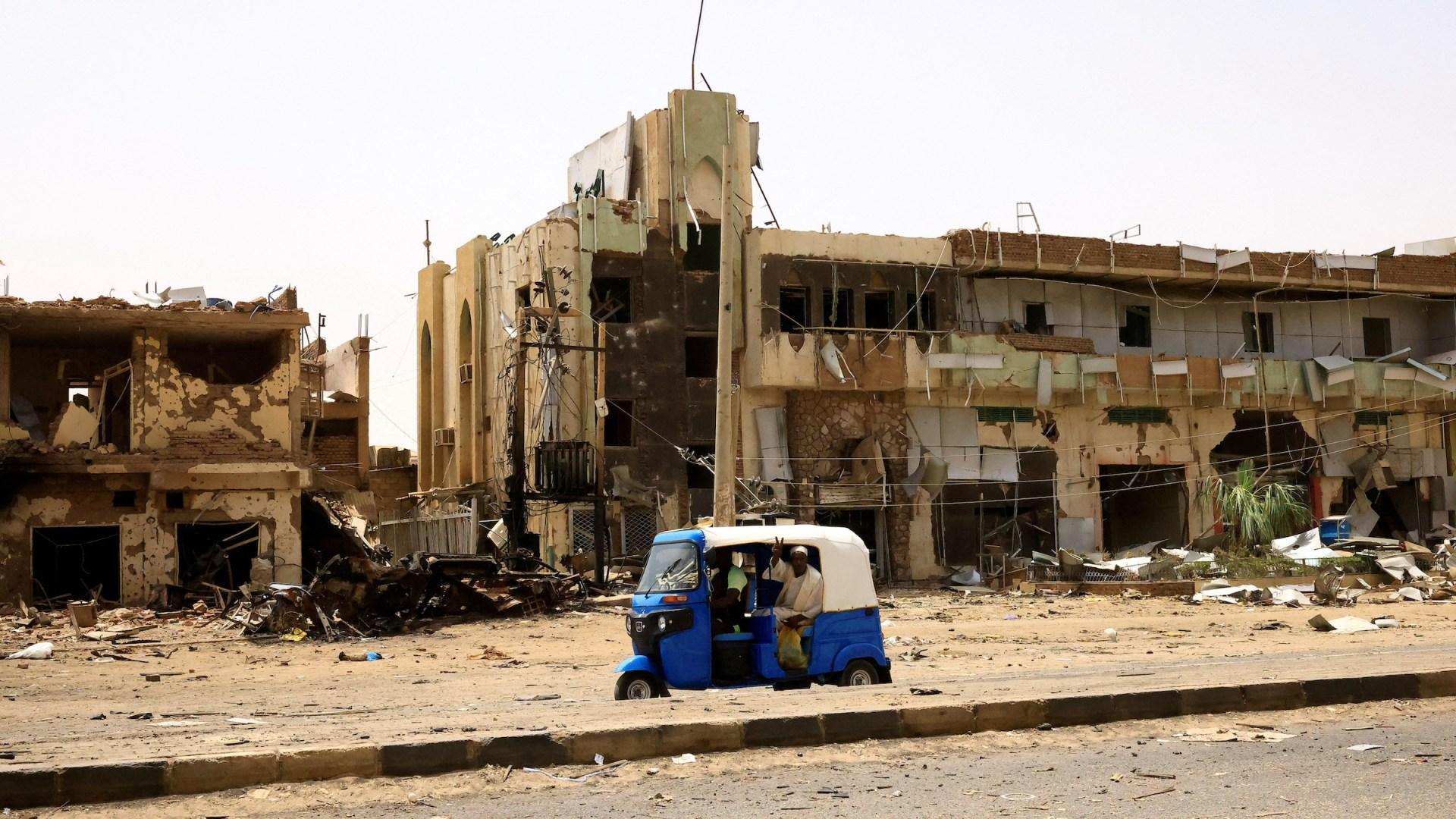
In South Kordofan, residents describe a persistent and pervasive threat from unmanned aerial attacks. In the town of Dilling, locals report drones hovering overhead for extended periods, striking civilian infrastructure including homes, markets, and hospitals.
Across the wider Kordofan region, near-daily strikes have been reported, often resulting in mass casualties and widespread destruction.
According to the United Nations, more than 500 civilians were killed by drone strikes between January and mid-March alone, underscoring the rapid escalation and increasing lethality of aerial attacks in populated areas.
Evolution of Drone Warfare
Residents in El-Obeid say the frequency of attacks has led civilians to distinguish between different types of drones.
Smaller “suicide drones” are designed to detonate on impact, while larger, more advanced systems often referred to as “strategic drones” are capable of long-range missions, heavier payloads, and return-to-base operations.
Human rights group Amnesty International reports that both sides in the conflict are deploying foreign-supplied drone technology. The RSF is believed to be using Chinese-made systems, while the Sudanese military has incorporated Turkish and Iranian models into its operations.
Humanitarian Impact Deepens
The intensification of drone warfare has had severe consequences for civilian life. Aid organizations report that repeated strikes are disrupting food supply chains, forcing traders to flee and driving up prices in already fragile markets.
These disruptions are exacerbating food insecurity in regions already at high risk of famine, compounding the humanitarian crisis.
War Spreads to New Areas
As fighting drags on without a decisive outcome, drone strikes have expanded into areas that were previously considered relatively safe. This has forced communities to adapt to a new reality, where survival depends on rapid response to aerial threats.
In many towns, civilians now flee at the first sign of drones overhead, reflecting a normalization of fear in daily life.
Outlook
The growing reliance on drone warfare marks a significant shift in Sudan’s conflict, introducing a more unpredictable and far-reaching threat to civilians.
With no clear resolution in sight, analysts warn that continued escalation combined with the proliferation of relatively accessible drone technology could further destabilize the region and deepen the humanitarian crisis.