
At least 33 people have been killed following a gun attack on a bar in Jos, an incident that escalated into retaliatory mob violence, according to local sources.
The attack occurred on Sunday evening in the Anguwan Rukuba area of Jos North, when unidentified gunmen opened fire at a bar and restaurant, killing at least 12 people in the initial assault.
Violence Escalates After Shooting
The situation rapidly deteriorated after the shooting, as a mob reportedly formed and began targeting passersby and nearby traders.
A local youth leader said the attackers initially targeted patrons at the venue before tensions spilled over into the surrounding area. At least three people were killed during the retaliation, with some victims reportedly burned.
Authorities say the total death toll has now risen to 33, although it remains unclear how many victims died in the initial assault and how many in the subsequent mob violence.
Security Measures Imposed
In response, security agencies have imposed a curfew across Jos North to contain the unrest and prevent further escalation.
Officials have also launched an investigation to identify those responsible for both the assault and the retaliatory violence.
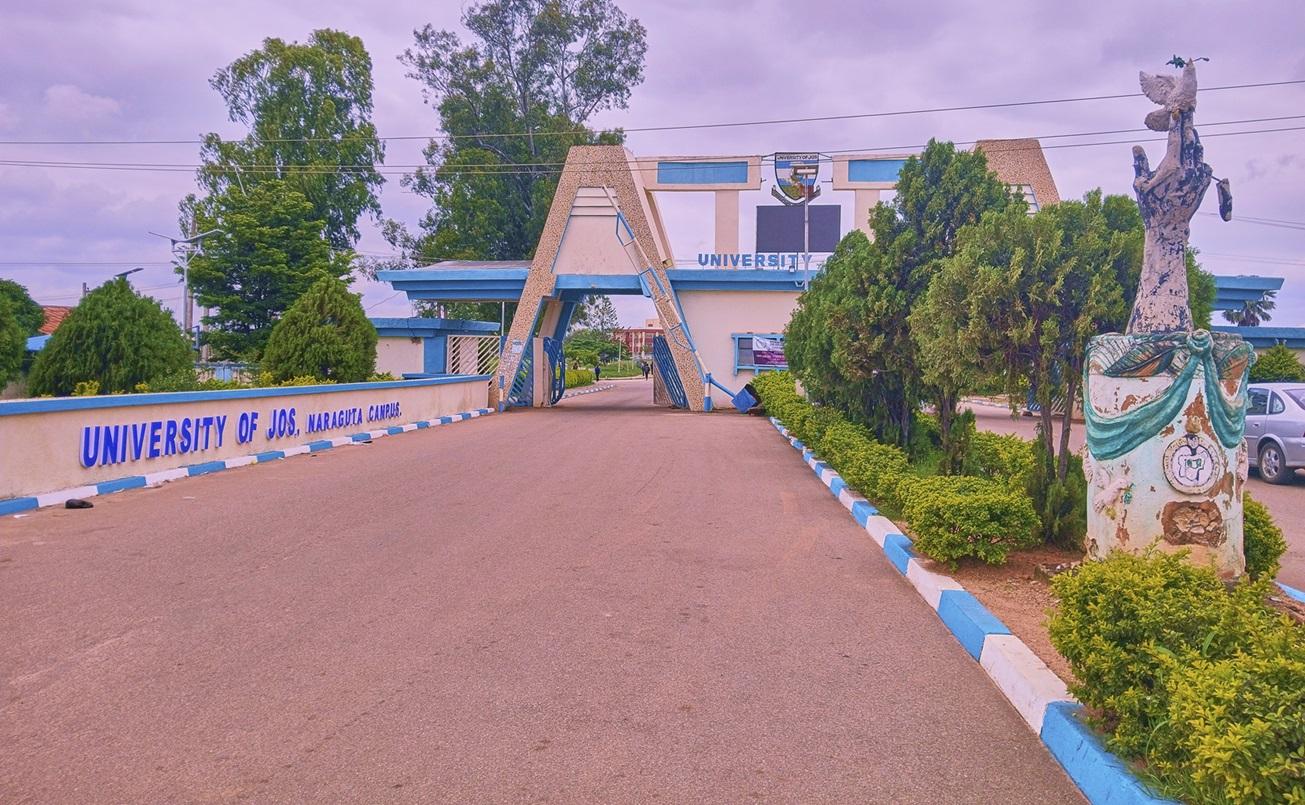
The University of Jos has postponed examinations due to the deteriorating security situation, reflecting the broader disruption to daily life in the city.
Longstanding Tensions in Plateau State
Plateau State has a history of recurring violence, particularly in rural areas where disputes over land and resources have fueled clashes between predominantly Christian farming communities and mostly Fulani Muslim herders.
While Jos itself has experienced sectarian violence in the past, large-scale attacks within the city have been relatively rare in recent years, raising concerns about a potential resurgence of urban unrest.
Risk of Further Escalation
Analysts warn that the situation remains highly volatile, with misinformation and unverified reports circulating widely on social media. Civil society organisations have urged restraint, emphasizing the need to avoid actions that could inflame tensions further.
Experts attribute the broader conflict dynamics in Plateau to a combination of structural factors, including climate change, population growth, and increasing competition over land. Weak law enforcement and limited conflict resolution mechanisms have also contributed to recurring cycles of violence.
Outlook
The latest killings underscore the fragility of security in central Nigeria and the challenges authorities face in preventing localized incidents from spiraling into wider communal violence.
As investigations continue, attention will focus on whether security measures and community interventions can stabilize the situation and prevent further loss of life.

