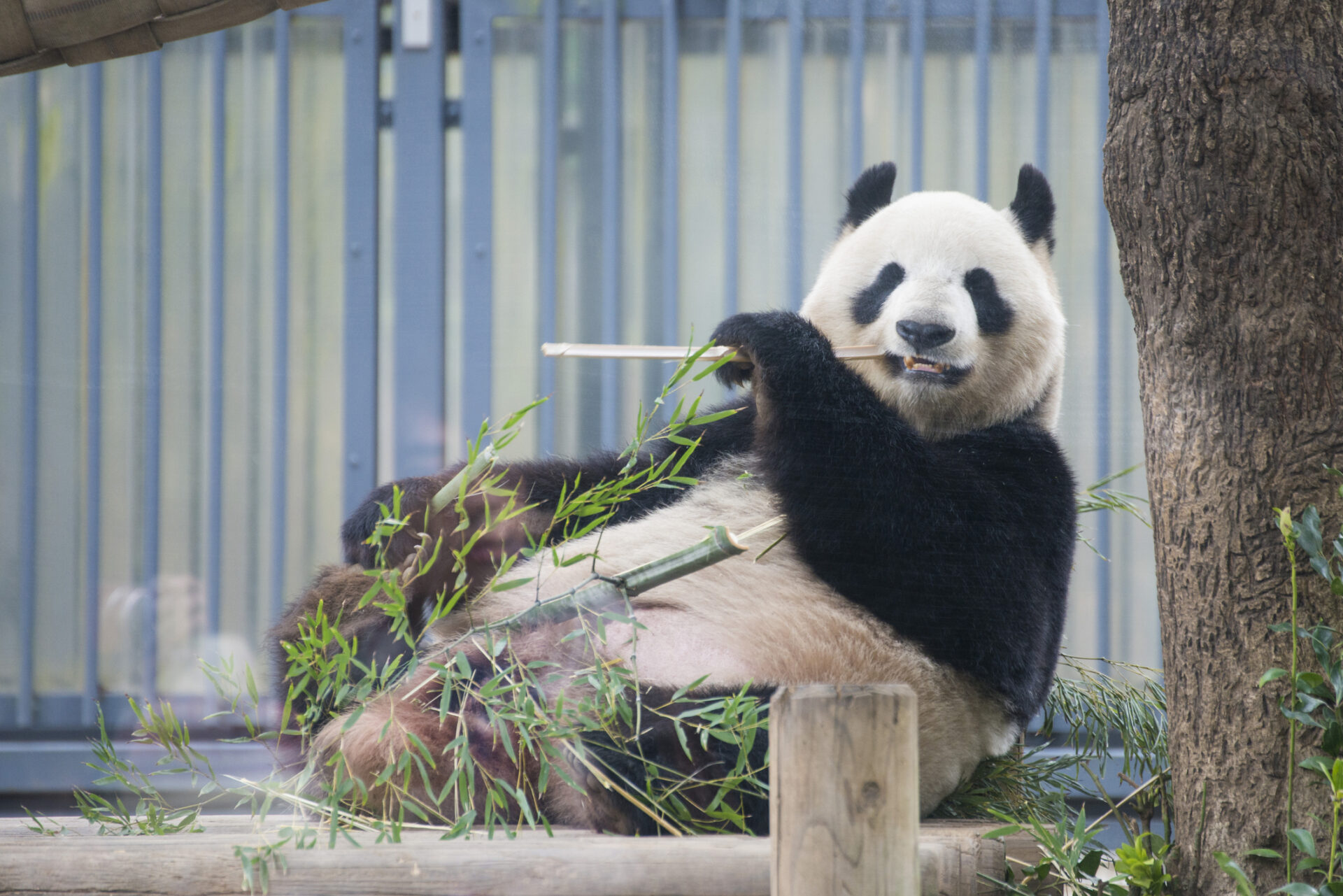
Panda lovers in Tokyo gathered on Sunday for an emotional farewell to Lei Lei and Xiao Xiao, the hugely popular twin pandas at Ueno Zoological Gardens, who are set to return to China this week. Their departure will leave Japan without pandas for the first time in half a century.
Pandas as Symbols of Friendship
Loaned under China’s long-running “panda diplomacy” programme, the black-and-white bears have been a cherished symbol of friendship between Beijing and Tokyo since the normalization of diplomatic ties in 1972. For decades, pandas have drawn millions of visitors to Ueno Zoo, becoming cultural icons in Japan.
Emotional Goodbyes
Visitors were visibly moved as they watched the four-year-old twins munch on bamboo one last time.
“I feel like seeing pandas can help create a connection with China too, so in that sense I really would like pandas to come back to Japan again,” said Gen Takahashi, a Tokyo resident visiting with his wife and young daughter.
Others echoed similar sentiments, noting the joy pandas bring to children and families.
Departure Linked to Strained Relations
The pandas’ abrupt return was announced last month, shortly after Japanese Premier Sanae Takaichi suggested Tokyo could intervene militarily if Taiwan were attacked. The comment angered Beijing, which considers Taiwan part of its territory.
While the timing has fueled speculation, experts caution that the move may not be directly political. Still, the absence of pandas in Japan is seen as a symbolic reflection of the cooling ties between Asia’s two largest economies.
Public Response
More than 4,400 lottery winners were granted final viewings of Lei Lei and Xiao Xiao, while thousands more gathered outside the zoo, many dressed in panda-themed shirts and carrying plush toys.
Mayuko Sumida, who traveled from Aichi prefecture, described the pandas’ charm:
“Even though it’s so big, its movements are really funny sometimes it even acts kind of like a person. I’m totally hooked. Japan’s going to be left with zero pandas. It feels kind of sad.”
Expert Perspective
According to Masaki Ienaga, professor of East Asian international relations at Tokyo Woman’s Christian University, the return of pandas could one day serve as a diplomatic gesture.
“In the future…if there are intentions of improving bilateral ties on both sides, it’s possible that (the return of) pandas will be on the table,” he told AFP.
Conclusion
As Lei Lei and Xiao Xiao prepare to leave for China on Tuesday, their departure marks the end of an era for Japan’s panda enthusiasts. Whether or not their absence is politically motivated, the bears’ return underscores the delicate balance of diplomacy in East Asia and leaves Japanese families hoping for the day pandas will once again grace their zoos.