
Nigerians from diverse religious backgrounds have strongly condemned U.S. President Donald Trump’s recent threat of military intervention over alleged killings of Christians in the country.
The controversy erupted after Trump claimed on social media that he had instructed the Pentagon to prepare a potential plan of attack, citing what he described as “large-scale killings of Christians” in Nigeria. Speaking aboard Air Force One, Trump told reporters, “They’re killing the Christians and killing them in very large numbers. We’re not going to allow that to happen.”
However, Nigerian leaders and citizens quickly dismissed the accusations as misleading, emphasizing that the country’s violence affects both Christians and Muslims.
“Christians are being killed, we can’t deny that, but Muslims are also being killed,” said Danjuma Dickson Auta, a community leader from Plateau State.
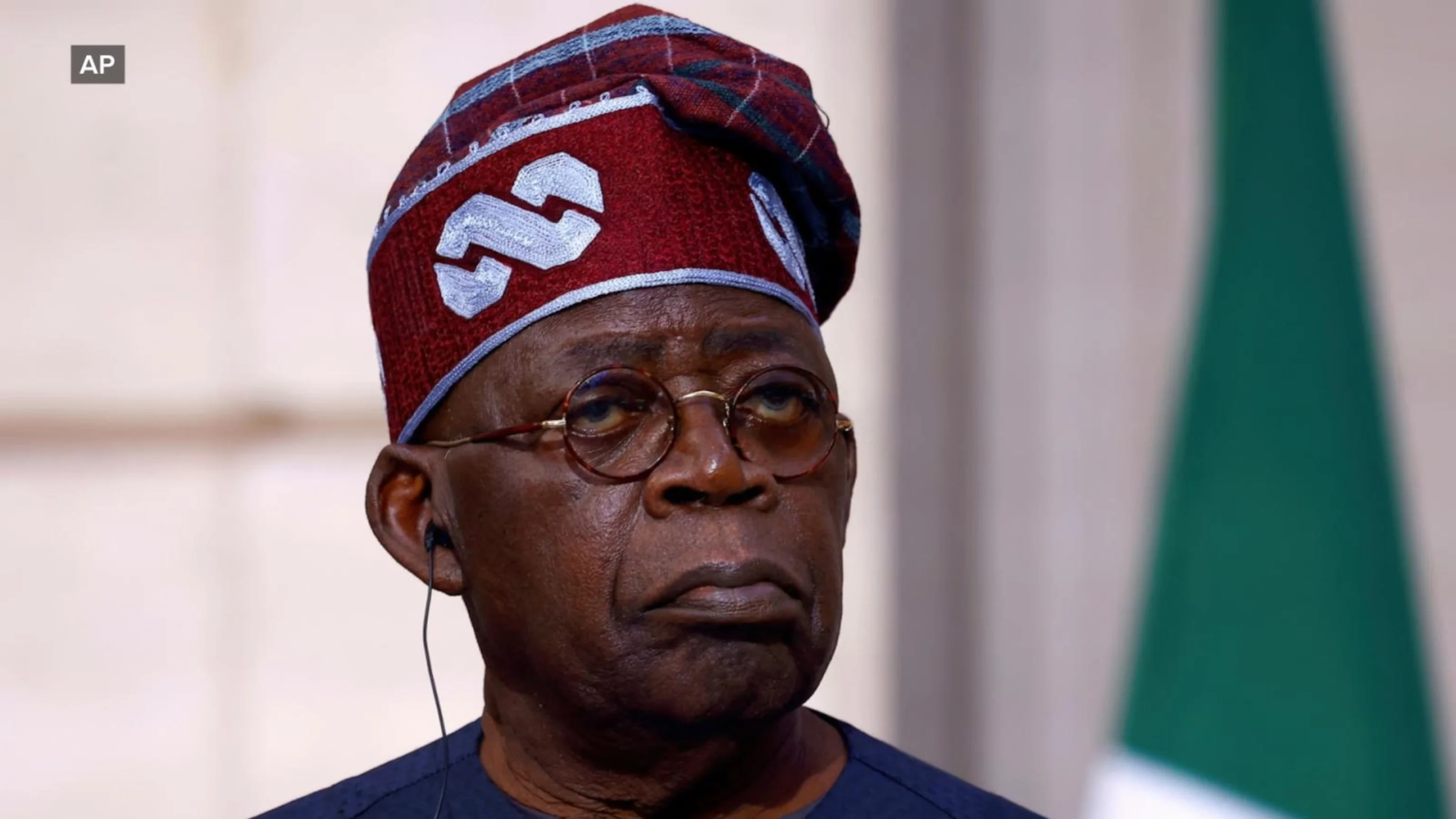
President Bola Tinubu responded firmly, stating that religious tolerance is a core part of Nigeria’s national identity, while urging against external interference that could inflame tensions.
Complex Roots of Nigeria’s Violence
Plateau State long known for coexistence between Christians and Muslims has faced recurring clashes between farmers and herders, often over land and dwindling natural resources. Experts note that the conflicts are driven more by economic and environmental pressures than by religion.
The violence has devastated communities, with villages razed and hundreds killed, particularly among Christian farming populations. Yet retaliatory attacks against Fulani herders also occur, receiving less attention in the media.
Analysts caution against labeling the situation as “genocide,” noting that such rhetoric oversimplifies a deeply rooted conflict linked to poor land management, weak policing, and economic disparity.
Political and Diplomatic Undercurrents
Observers suggest Trump’s comments may be tied to strained U.S.-Nigeria relations, particularly following Abuja’s refusal to accept deported non-Nigerian migrants from the U.S. under Trump’s immigration policy. In response, Washington reportedly tightened visa restrictions for Nigerians.
“While the terrorism threat in Nigeria is real, this rhetoric could be a diplomatic pressure tactic,” said Jervin Naidoo, a political analyst with Oxford Economics.
Meanwhile, US-based lobbying groups have been accused of pushing narratives of “Christian persecution” to influence U.S. foreign policy.
Religious Leaders and Analysts Weigh In
Reverend Joseph Hayab, chairman of the Christian Association of Nigeria (North), acknowledged the severity of ongoing violence but rejected the framing of a religious war.
“People are twisting the story as if Trump said he is coming to fight Nigeria. No, he said he would deal with terrorists,” Hayab said.
Tinubu’s spokesperson, Daniel Bwala, downplayed the remarks, describing Trump’s comments as a diplomatic move.
“Donald Trump has his own style of communication,” he told AFP. “This may be his way of pushing for dialogue and cooperation between the two leaders to combat insecurity.”
As Nigeria continues to battle insurgency in the northeast, banditry in the northwest, and communal clashes in the Middle Belt, many Nigerians view Trump’s threats as ill-informed and potentially destabilizing rather than helpful.

