
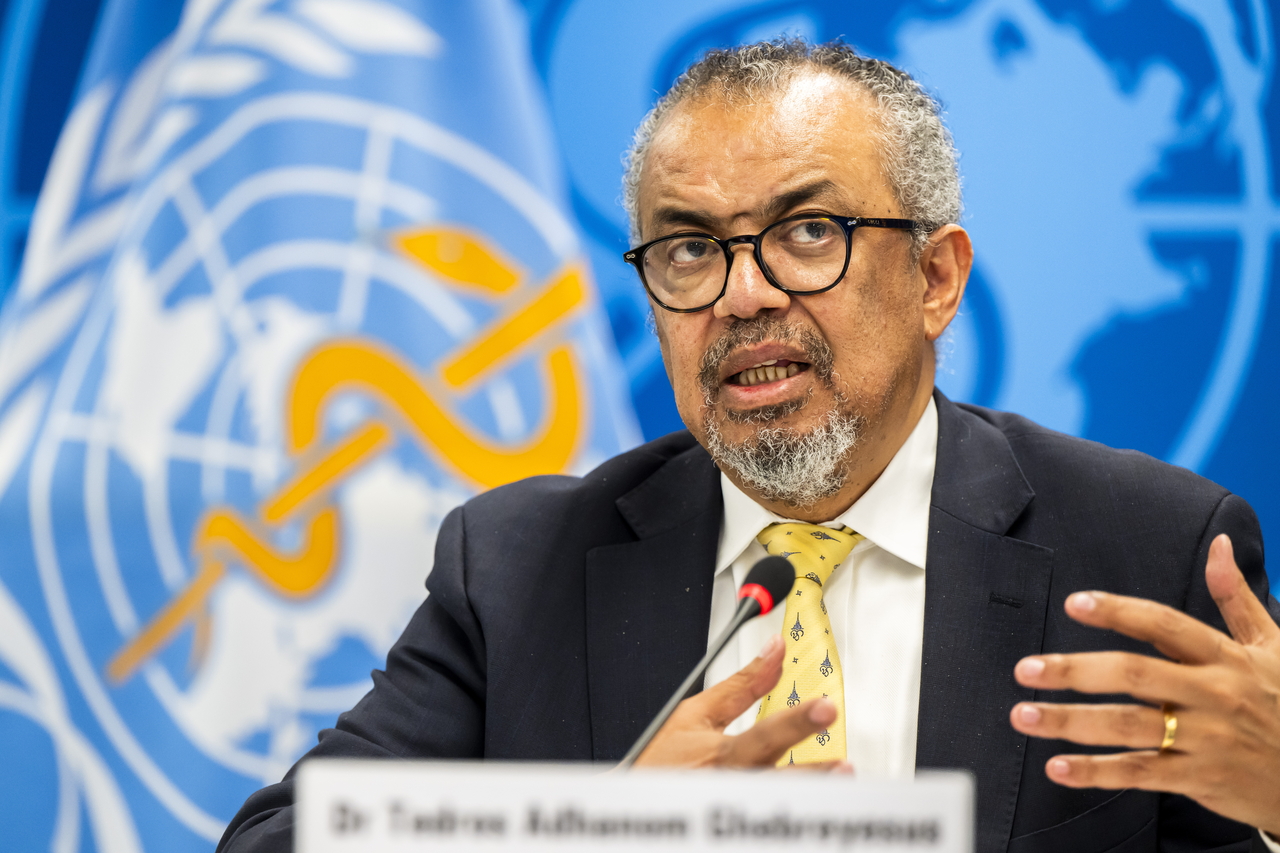
The head of the World Health Organization (WHO), Tedros Adhanom Ghebreyesus, has strongly rejected Washington’s stated reasons for withdrawing from the UN health agency, calling the accusations “untrue” and warning that the move “makes both the US and the world less safe.”
US Withdrawal Announcement
On Thursday, US Secretary of State Marco Rubio and US Health Secretary Robert F. Kennedy Jr. announced that Washington had formally withdrawn from the WHO. In their joint statement, they accused the agency of “failures during the Covid-19 pandemic” and of acting “repeatedly against the interests of the United States.”
The officials claimed the WHO had “trashed and tarnished” the US and compromised its independence. Kennedy further alleged in a video posted to X that the WHO was responsible for “Americans who died alone in nursing homes” and the destruction of small businesses due to “reckless mandates.”
WHO Pushback
Tedros dismissed the claims, insisting that WHO has always engaged with the US and all member states “with full respect for their sovereignty.”
“Unfortunately, the reasons cited for the US decision to withdraw from WHO are untrue,” Tedros wrote on X.
The WHO issued a statement rejecting accusations that its Covid-19 response obstructed the sharing of critical information.
“Throughout the pandemic, WHO acted quickly, shared all information it had rapidly and transparently with the world, and advised Member States on the basis of the best available evidence,” the agency said.
WHO clarified that while it recommended masks, vaccines, and physical distancing, it never mandated lockdowns or compulsory measures, leaving such decisions to sovereign governments.
Financial and Legal Issues
The withdrawal comes a year after President Donald Trump signed an executive order to begin the process. Under WHO rules, member states may withdraw if they give one year’s notice and pay all outstanding dues.
WHO noted that Washington has not paid its 2024 or 2025 contributions, leaving arrears of around $260 million.
“The notification of withdrawal raises issues,” WHO said, adding that the matter will be reviewed at the Executive Board meeting next month and the World Health Assembly in May.
Diplomatic Fallout
Rubio and Kennedy acknowledged that WHO had not approved the US withdrawal and claimed the agency was seeking compensation. The dispute underscores the complexity of severing ties with international organizations, particularly when financial obligations remain unsettled.
Looking Ahead
Tedros expressed hope that the US would eventually return to active participation in WHO, stressing the agency’s mission to uphold health as a fundamental human right.
“WHO remains steadfastly committed to working with all countries in pursuit of its core mission and constitutional mandate: the highest attainable standard of health as a fundamental right for all people,” he said.
Conclusion
The US withdrawal from WHO marks a significant moment in global health diplomacy, raising questions about international cooperation during future crises. As the debate continues, the world watches closely to see how the rift between Washington and the WHO will impact global health governance.

