Guinea’s main opposition leader has accused the country’s ruling military authorities of attempting to establish a one-party political system after dozens of political parties were dissolved by government decree.
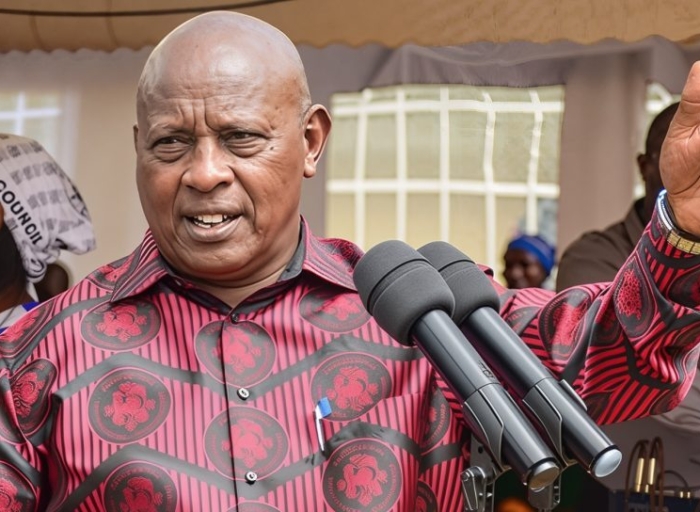
Cellou Dalein Diallo, leader of the opposition Union of Democratic Forces of Guinea (UFDG), criticised the decision after the government of Guinea announced the dissolution of 40 political parties.
Diallo’s party was among those affected by the decree, which has intensified political tensions ahead of upcoming legislative elections.
Major Political Parties Affected
Other prominent parties dissolved by the government include the Rally of the Guinean People (RPG), the political party of former president Alpha Condé, as well as the Union of Republican Forces led by Sidya Touré.
Authorities had previously suspended these parties in August 2025, citing failure to comply with provisions of the country’s political parties charter.
The dissolution formalises those earlier suspensions and removes the affected groups from the country’s political landscape.
Opposition Raises Democratic Concerns
Diallo condemned the move, saying it reflects an attempt by the current leadership to suppress political pluralism and weaken opposition voices.
He accused the government of trying to create conditions that would allow a single dominant political structure to emerge under the current leadership.
Political Context and Referendum
The suspensions and subsequent dissolution of the parties came shortly before a referendum that allowed the head of the ruling military junta to contest the presidency.
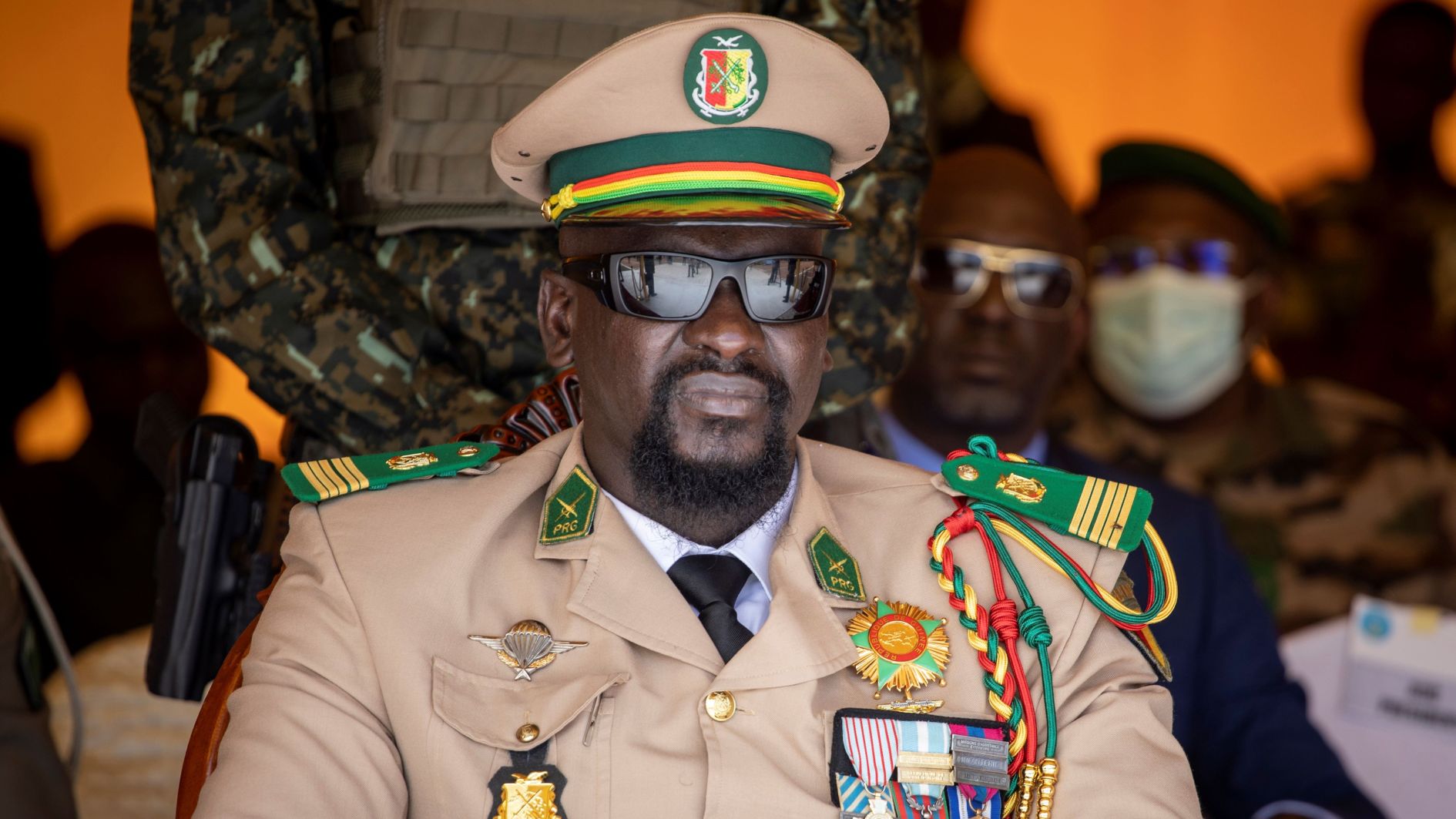
Mamadi Doumbouya seized power in 2021 after overthrowing President Alpha Condé in a military coup.
Since taking power, Doumbouya’s administration has faced criticism from political opponents and civil society groups who argue that democratic freedoms and political space have been increasingly restricted.
Elections Seen as Key Test
The latest developments come only weeks before legislative elections that are widely viewed as a crucial step in Guinea’s transition from military rule to civilian governance.
Observers say the dissolution of major political parties could significantly influence the electoral landscape and shape the country’s political future as it navigates the transition process.