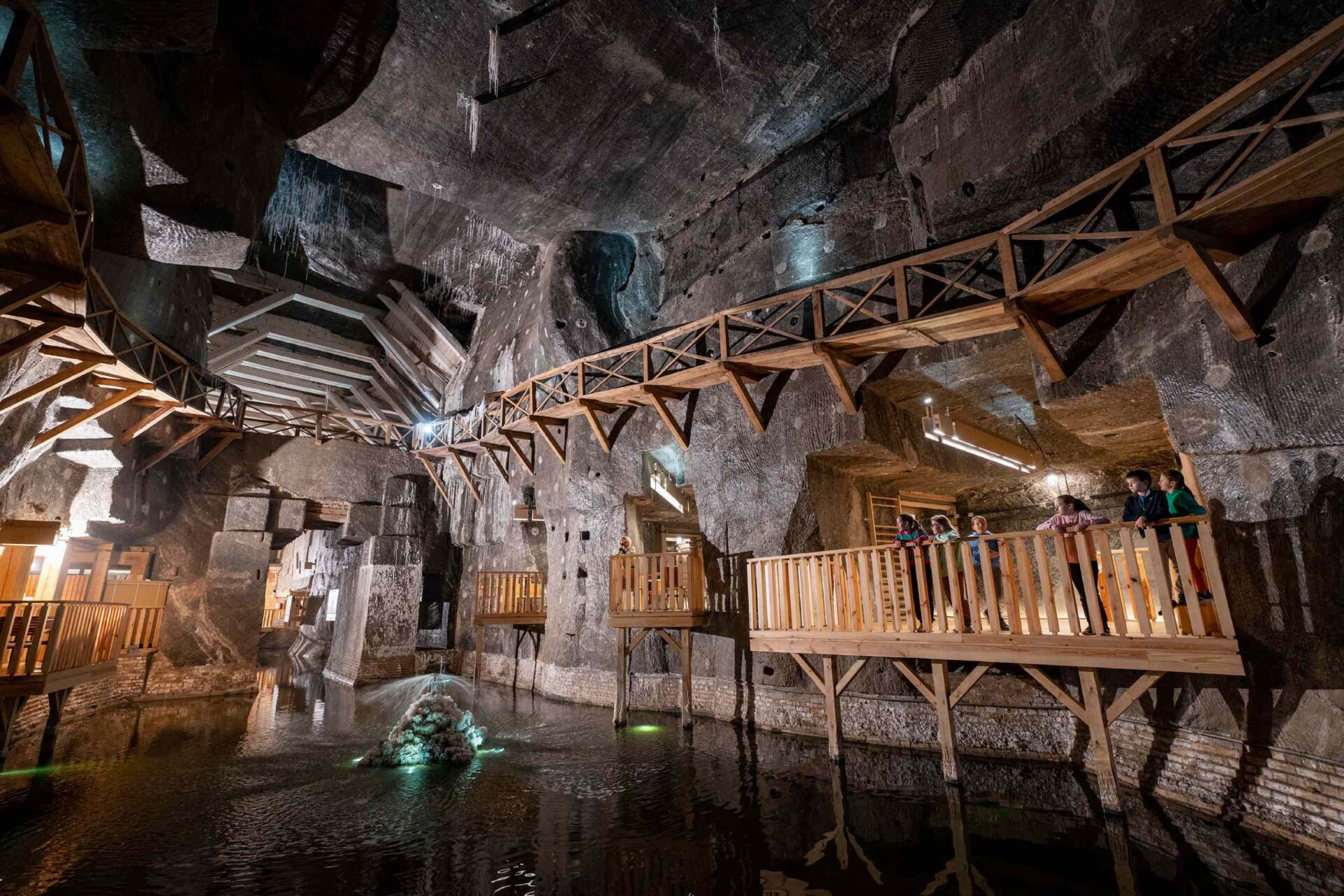
Opened in 1987, Armenia’s Republican Centre of Speleotherapy has long provided relief to patients with respiratory conditions such as asthma and bronchitis. The facility uses tunnels carved deep into rock salt, where mineral-rich underground air is believed to ease respiratory ailments.
At its peak, the 4,000-square-metre centre treated more than 300 patients annually. However, following the loss of state funding in 2019–2020, patient numbers have dwindled to roughly 50 per year, leaving the future of the centre uncertain.
Armenian health authorities note that spending has shifted toward treatments with stronger scientific evidence, focused on life-threatening diseases. Yet doctors at the centre argue that speleotherapy should be considered a complementary therapy alongside conventional medicine.
Long-time visitor Armen Stepanyan, who travels from Kemerovo, Russia, attests to its benefits:
“I tried everything, sanatoriums, treatments, nothing helped. Here I felt improvement after the first course.”
Supporters view the centre as part of Armenia’s rich tradition of natural healing. Officials are now exploring private investment options to preserve the site, potentially repurposing it as a research hub or medical-tourism destination.
The Republican Centre of Speleotherapy remains a rare source of relief for patients, highlighting the ongoing debate over traditional therapies in modern medical practice.