
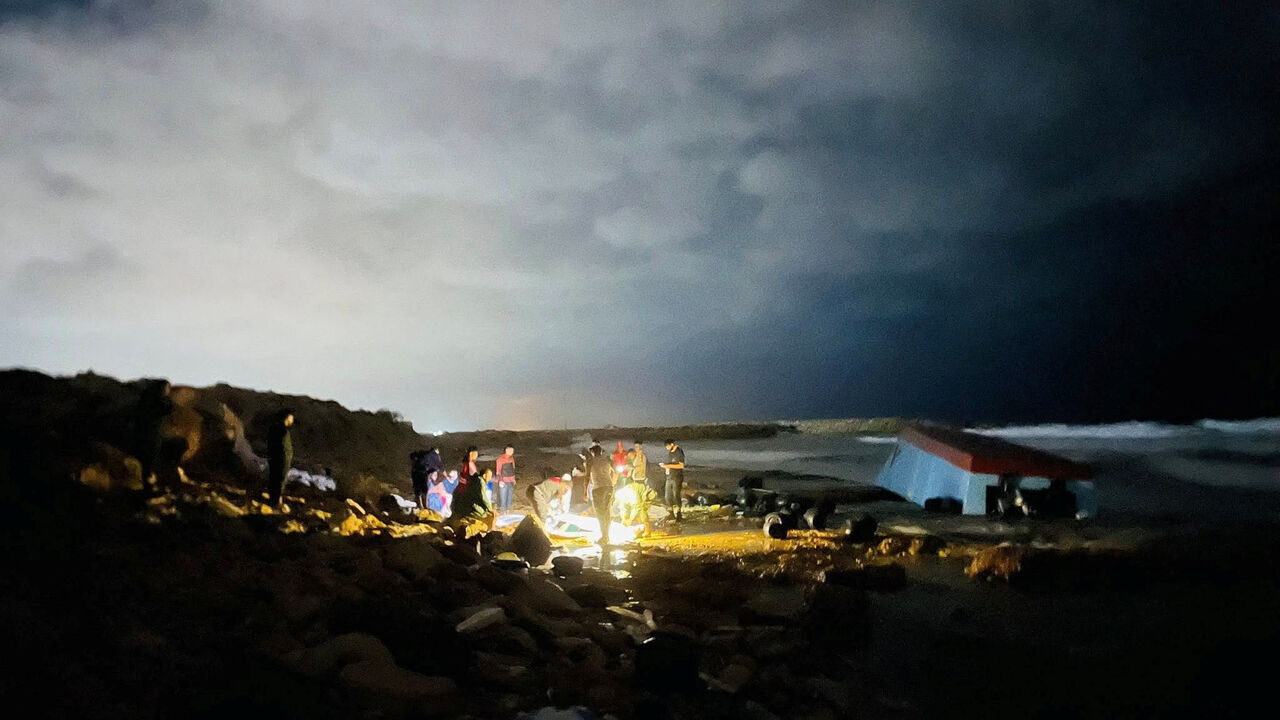
At least 42 migrants are missing and presumed dead following the capsizing of a rubber boat off the coast of Libya, the International Organisation for Migration (IOM) reported on Wednesday, 12 November 2025.
Libyan authorities rescued seven survivors, who had drifted at sea for six days after the vessel, carrying 49 people, sank near the Al Buri oilfield, an offshore facility north-northwest of Libya’s coast. The migrants were reportedly from Sudan, Nigeria, Cameroon, and Somalia.
“This tragic event, coming just weeks after other deadly incidents off Surman and Lampedusa, underscores the persistent dangers faced by migrants and refugees along the Central Mediterranean Route,” IOM said.
Libya’s Role in the Mediterranean Migration Crisis
Since the fall of Muammar Gaddafi in 2011, Libya has become a key transit route for migrants fleeing conflict and poverty en route to Europe via the Mediterranean.
The IOM noted that over 1,000 migrants have drowned in the central Mediterranean this year, with this week’s disaster further increasing the toll. In 2024, 2,452 deaths were recorded across the entire Mediterranean.
Recent tragedies include:
- Mid-October 2025: 61 bodies of migrants recovered along the coast west of Tripoli.
- September 2025: At least 50 people died after a vessel carrying 75 Sudanese refugees caught fire off Libya’s coast.
International Pressure on Libya
On 11 November 2025, several countries including Britain, Spain, Norway, and Sierra Leone urged Libya at a UN meeting in Geneva to close detention centres where migrants and refugees face torture, abuse, and, in some cases, death, according to human rights groups.
The latest capsizing highlights the ongoing dangers of the Central Mediterranean migration route, and the urgent need for coordinated international action to protect vulnerable migrants and prevent further loss of life.

