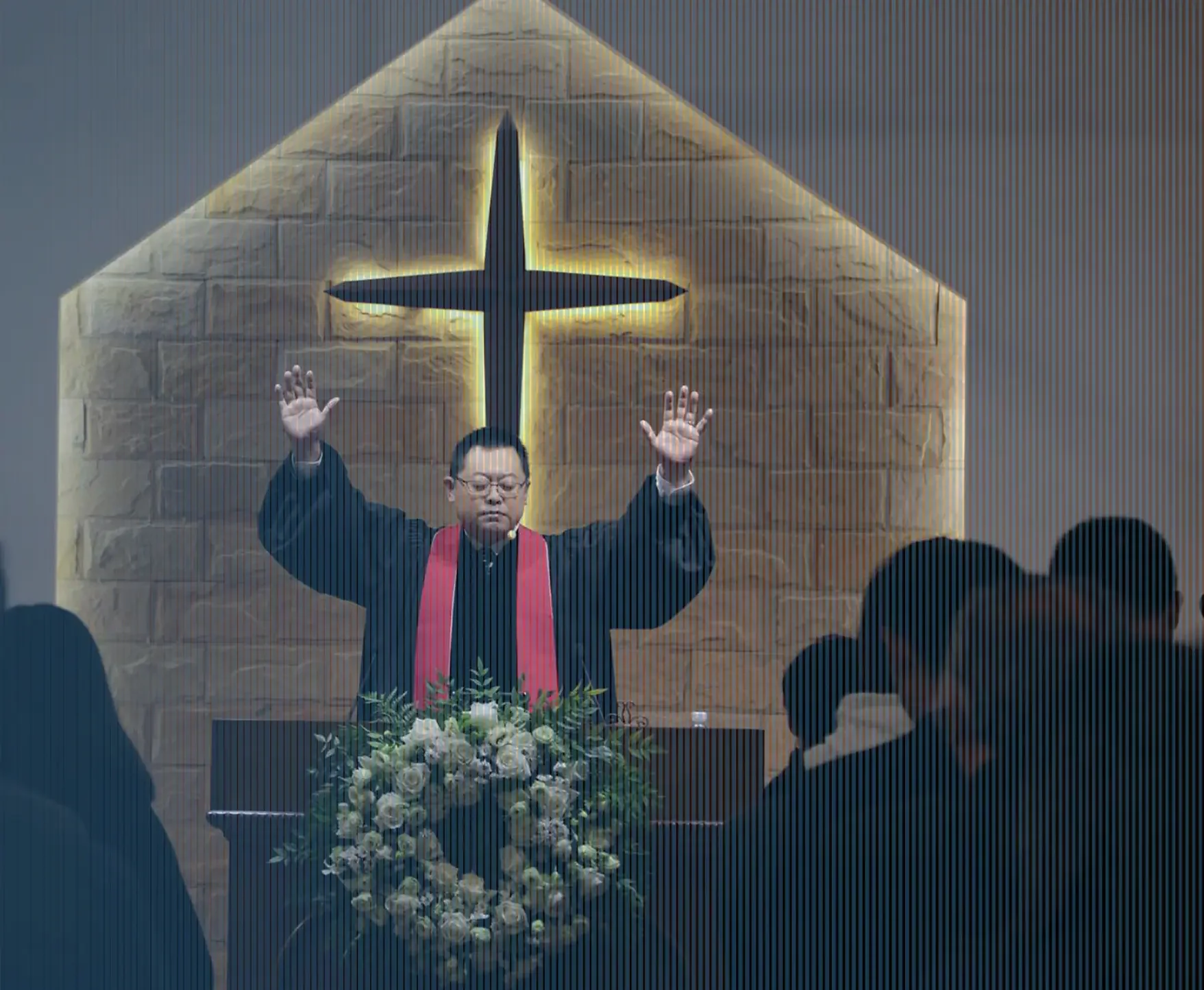
An influential Protestant congregation in China has reported the arrest of several senior leaders, amid what Christian groups describe as an intensifying crackdown on underground churches operating outside state control.
Early Rain Covenant Church (ERCC), based in Chengdu, said nine members were detained on Tuesday after police raided their homes and the church’s offices. By Wednesday, five had been released, while four including church leader Li Yingqiang and his wife Zhang Xinyue remained in custody. The church said the arrests appeared to be part of a coordinated operation, although the legal basis for the detentions and whether charges have been filed remain unclear.
At the same time, authorities in the eastern city of Wenzhou began demolishing part of the Yayang Church building. Video obtained by religious freedom watchdog ChinaAid showed heavy machinery tearing down sections of the structure, while large numbers of armed and special police officers were reportedly deployed to secure the area. Residents and workers nearby were allegedly ordered to leave and warned not to film or take photographs.
Christian advocacy groups say the simultaneous actions in Chengdu and Wenzhou signal a broader effort by the Chinese Communist Party to suppress independent churches that refuse to align with state ideology. The BBC has contacted China’s embassy in the United Kingdom for comment, but Chinese authorities have not publicly addressed either the arrests or the demolition.
China officially promotes atheism and tightly regulates religious practice. While the government has previously estimated that there are around 44 million Christians in the country, it remains unclear whether this figure includes worshippers who attend underground churches. For years, authorities have encouraged Christians to join only state-sanctioned churches led by government-approved clergy.
However, church leaders and rights groups say enforcement has become markedly more aggressive. Several pastors have told international media that unauthorised church leaders are now being detained swiftly, whereas in the past they were typically warned or fined before arrests were made.
In November, Li Yingqiang warned his congregation that another crackdown appeared imminent, writing in a letter that he “sensed a storm gathering” and urging members to prepare themselves. Following this week’s arrests, ERCC said it had also lost contact with two other members, though it could not confirm whether they had been detained. The church asked supporters to pray for the safety and resilience of those affected.
Wenzhou, sometimes referred to as the “Jerusalem of China” because of its large Christian population, has been a focal point of religious restrictions for years. In December, authorities reportedly detained about 100 members of Yayang Church over several days, with at least 24 still in custody, according to Human Rights Watch. In October last year, around 30 leaders from Zion Church—once one of China’s largest underground congregations—were arrested across multiple cities. Its founder, Ezra Jin, remains in detention.
Early Rain Covenant Church itself has faced sustained pressure. In 2018, police arrested its founder, Pastor Wang Yi, along with his wife and dozens of members in one of the largest church crackdowns in recent years. Wang was later sentenced on charges including “inciting subversion of state power” and is due for release in 2027. Despite restrictions, the church has continued to meet online, often replaying recordings of Wang’s sermons.
Human rights groups say the developments reflect a broader tightening of ideological control under President Xi Jinping. Since 2015, authorities have pushed for the “Sinicisation of religion,” requiring religious beliefs and practices to conform to socialist values and Chinese culture. Last year, new rules also barred clergy from preaching live online, organising religious activities for children, or raising funds digitally without using government-approved platforms.
“The Chinese government has intensified its intolerance of loyalties beyond the Communist Party,” said Yalkun Uluyol, a China researcher at Human Rights Watch. He urged foreign governments and religious leaders to press Beijing to release detained worshippers and uphold religious freedom.
For China’s underground churches, advocates warn, the latest arrests and demolitions underscore a shrinking space for independent religious expression.