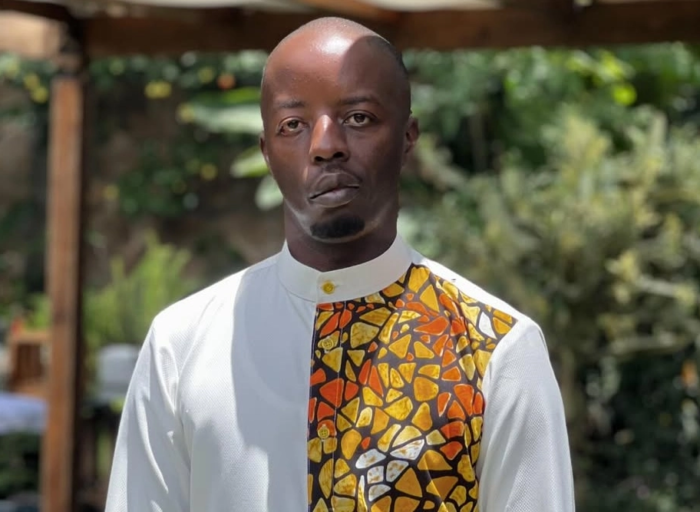
Antananarivo, Madagascar Colonel Michael Randrianirina, the army officer who led a recent coup in Madagascar, was sworn in as President on Friday amid fanfare, cheers, and raised swords, days after assuming control of the island nation. His rise follows a wave of youth-driven protests that toppled former leader Andry Rajoelina, who fled the country last weekend.
The inauguration, held at the High Constitutional Court a colonial-era red-brick landmark in Antananarivo marked a symbolic shift in power. “I will fully, completely, and justly fulfil the high responsibilities of my position as President of the Republic of Madagascar,” Randrianirina declared, pledging to defend national unity and human rights. His words were met with trumpet fanfare as military officers raised swords in salute.
Rajoelina, ousted after lawmakers voted to impeach him, has rejected the takeover from exile, insisting he remains the legitimate leader. His defiance comes despite the High Constitutional Court’s swift ratification of the army-led transition and growing defections within the security forces.
Regional and International Condemnation
The African Union (AU) and United Nations Secretary-General António Guterres have condemned the coup, urging a rapid return to constitutional order. The power shift follows weeks of “Gen Z” protests, sparked by chronic electricity and water shortages, that evolved into a broad movement demanding accountability and leadership change.
Randrianirina announced that a military-led transitional council will govern for up to two years alongside a civilian administration before organizing new elections. However, analysts have expressed skepticism about the credibility of this timeline.
“Whether the military returns power depends less on promises and more on enforceable mechanisms,” noted Ketakandriana Rafitoson, Vice Chair of Transparency International, speaking to Reuters. “Commitments such as ‘We will hand over in two years’ are weak without checks that prevent the junta from entrenching itself.”
A Divided Public Mood
While many young Malagasy citizens celebrated the end of Rajoelina’s rule himself a product of a 2009 military coup others voiced unease about the speed of the army’s intervention.
Outside the court, 18-year-old student Mioty Andrianambinintsoa captured the mixed sentiment: “This is a stage. Our aims haven’t been achieved.” Fellow protester Francko Ramananvarivo, 23, added, “Our goal is to be led by a government that is close to the people. We are not there yet.”
From the Barracks to the Presidency
Colonel Randrianirina commands CAPSAT, an elite army unit with historic ties to Madagascar’s 2009 coup, though he was not personally involved at the time. During the recent unrest, he gained popular support after refusing to fire on demonstrators and offering military protection to protesters.
Madagascar’s recurring political turmoil reflects deep economic hardship and a youthful, frustrated population the median age is under 20, and nearly three-quarters of the country’s 30 million people live in poverty.
Despite rich natural resources, including vanilla, nickel, sapphires, and ilmenite, Madagascar’s average annual income remains around $600, while the cost of essentials like rice continues to soar. According to the World Bank, the nation’s per capita GDP has fallen by nearly half since independence in 1960, making it one of the few countries globally where living standards have deteriorated over time.
Randrianirina now faces the daunting task of restoring stability, rebuilding trust, and reviving an economy that has left millions of young citizens yearning for change the same generation whose protests swept him to power.