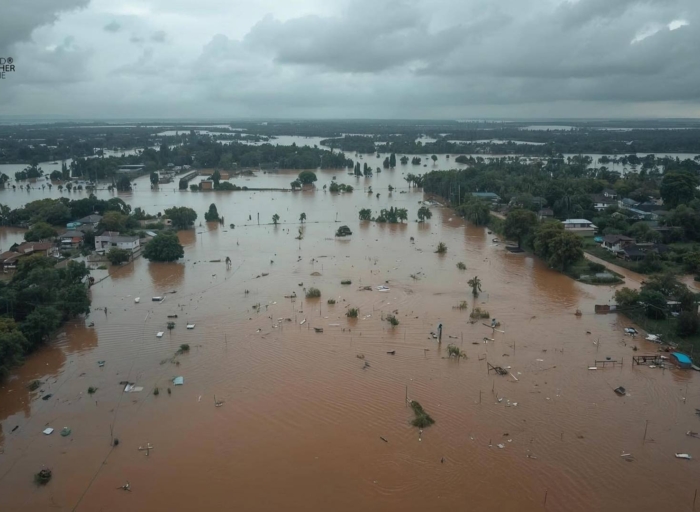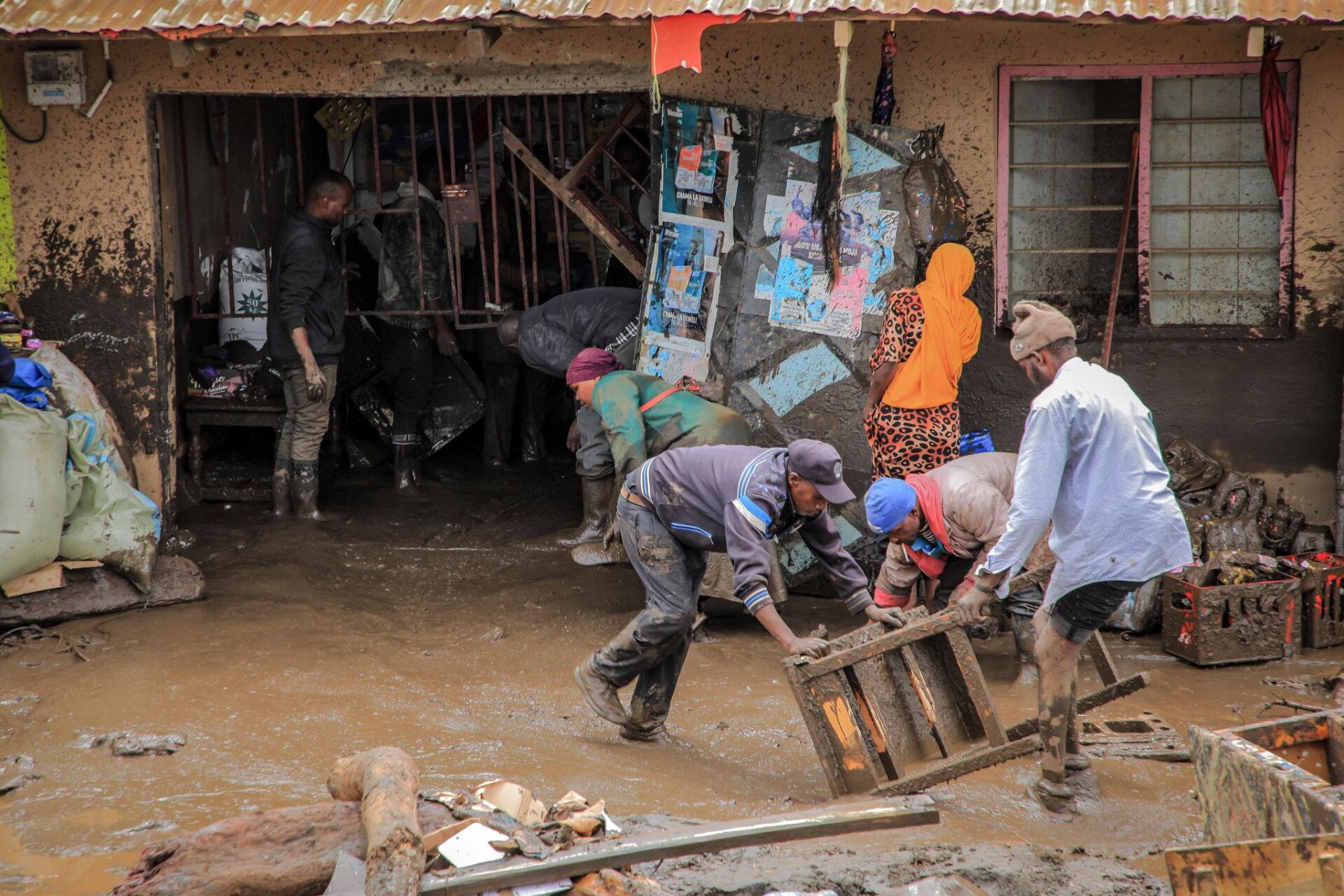
At least 20 people have been killed following devastating landslides in southern Tanzania, as intense seasonal rains continue to wreak havoc across the region.
The disaster struck early Wednesday in the Mbeya Region, where prolonged rainfall and strong winds triggered landslides that engulfed homes. Authorities in Rungwe District confirmed the fatalities, including a young child, and warned that the death toll could rise as search and rescue operations continue.
Residents living in high-risk zones have been urged to evacuate, with weather forecasts indicating that more heavy rain is expected in the coming days.
Regional Impact Intensifies
The landslides in Tanzania are part of a broader pattern of extreme weather affecting East Africa during the current rainy season.
In neighboring Kenya, at least 88 people have died due to flooding, with widespread destruction reported across more than 20 counties. Rivers have burst their banks after weeks of sustained downpours, displacing communities and damaging infrastructure.
The Kenyan military has been deployed to assist in evacuation and rescue efforts, highlighting the scale of the emergency.
Similarly, Ethiopia has experienced deadly landslides earlier this month, with around 80 fatalities reported in southern parts of the country.
Growing Climate Concerns
The cumulative impact of these disasters has intensified concerns over disaster preparedness and the vulnerability of communities in flood- and landslide-prone areas.
Regional climate experts had already warned of above-average rainfall during the March-to-May season, a period that has historically brought both agricultural benefits and significant risks.
The increasing frequency and severity of such extreme weather events are being linked to broader climate variability, raising questions about long-term adaptation strategies and infrastructure resilience across East Africa.
Urgent Need for Preparedness
Authorities across the region continue to call for heightened vigilance, particularly in areas susceptible to flooding and landslides.
As rainfall persists, humanitarian agencies and governments face mounting pressure to strengthen early warning systems, improve disaster response capacity, and invest in sustainable mitigation measures to protect vulnerable populations.