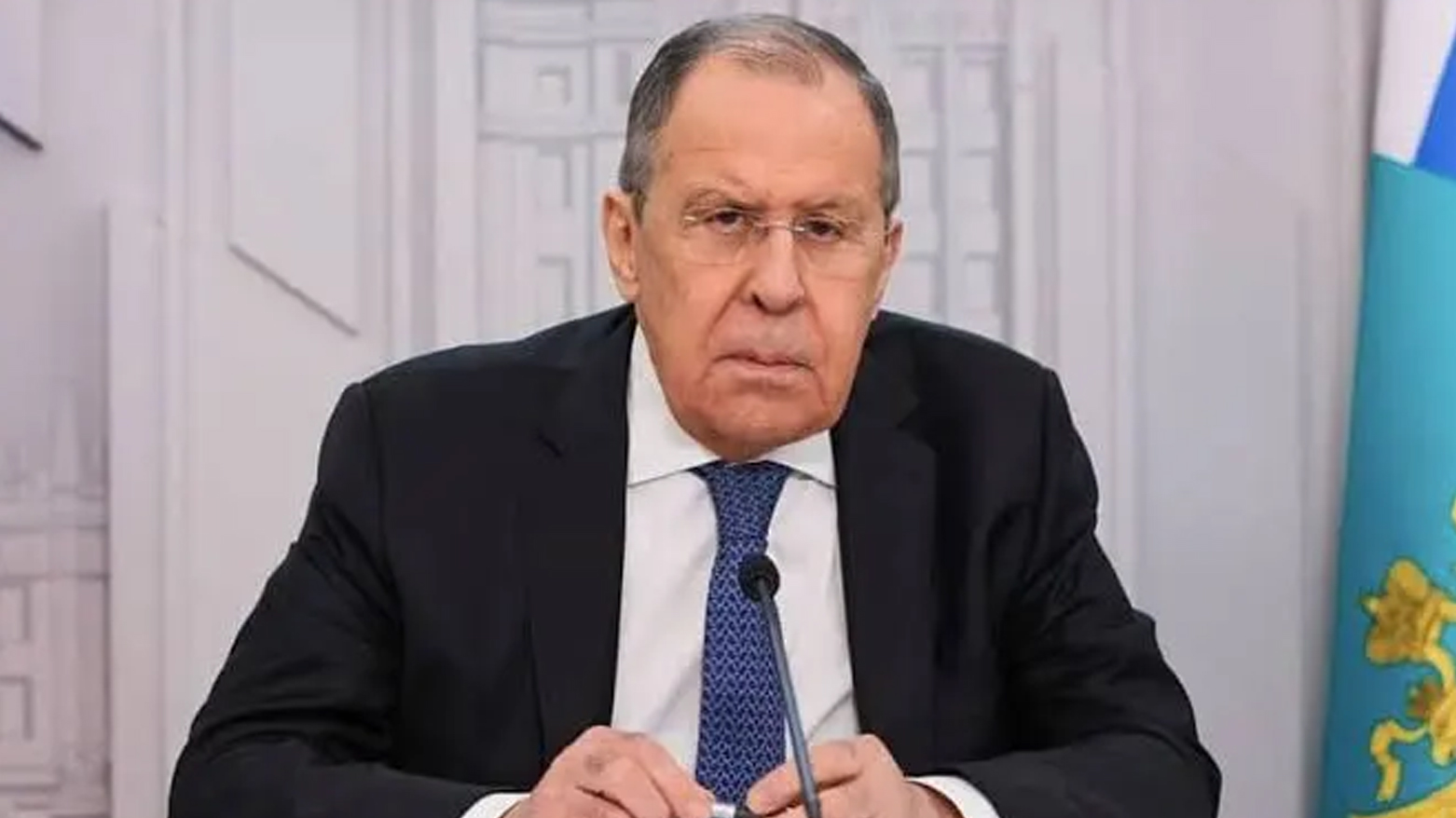
Russian Foreign Minister Sergey Lavrov has rejected accusations that Moscow is providing intelligence support to Iran, as geopolitical tensions escalate between Russia and Western powers over developments in the Middle East.
Speaking onThursday in an interview with France Télévision, Lavrov acknowledged that Russia maintains “very close relations” with Iran under an existing military-technical cooperation agreement. He confirmed that Moscow has supplied Tehran with “certain types of military products,” but firmly denied any intelligence-sharing role.
“We cannot accept the accusations that we’re helping Iran with intelligence,” Lavrov said, arguing that the locations of United States military bases in the region are publicly known and do not require external intelligence support.
EU Accusations and Diplomatic Fallout
The remarks come in response to allegations from the European Union, whose top diplomat recently accused Russia of assisting Iran in targeting U.S. forces in the Middle East. The EU has urged Washington to increase pressure on Moscow over its ties with Tehran.
Lavrov dismissed the claims as unfounded, insisting that Russia’s cooperation with Iran remains within legal and transparent frameworks.
Criticism of U.S. Policy
The Russian foreign minister also criticized senior U.S. officials, accusing them of adopting a confrontational tone toward Iran. He described public statements about targeting Iranian leadership as “cynical” and “bravado.”
Lavrov framed Iran’s recent actions against U.S. and regional interests as responses to what he described as violations of international law by the United States and its allies, including Israel.
Strategic Ties Under Scrutiny
Moscow and Tehran have strengthened their strategic relationship in recent years, particularly in defense and economic cooperation. However, Lavrov rejected comparisons between this partnership and Russia’s ongoing military campaign in Ukraine, emphasizing that the contexts are distinct.
Escalating East-West Tensions
The dispute underscores broader geopolitical strains between Russia and Western nations, as alliances shift amid multiple overlapping conflicts.
With the Middle East remaining volatile and diplomatic rhetoric intensifying, analysts warn that continued mistrust between global powers could further complicate efforts to stabilize the region.