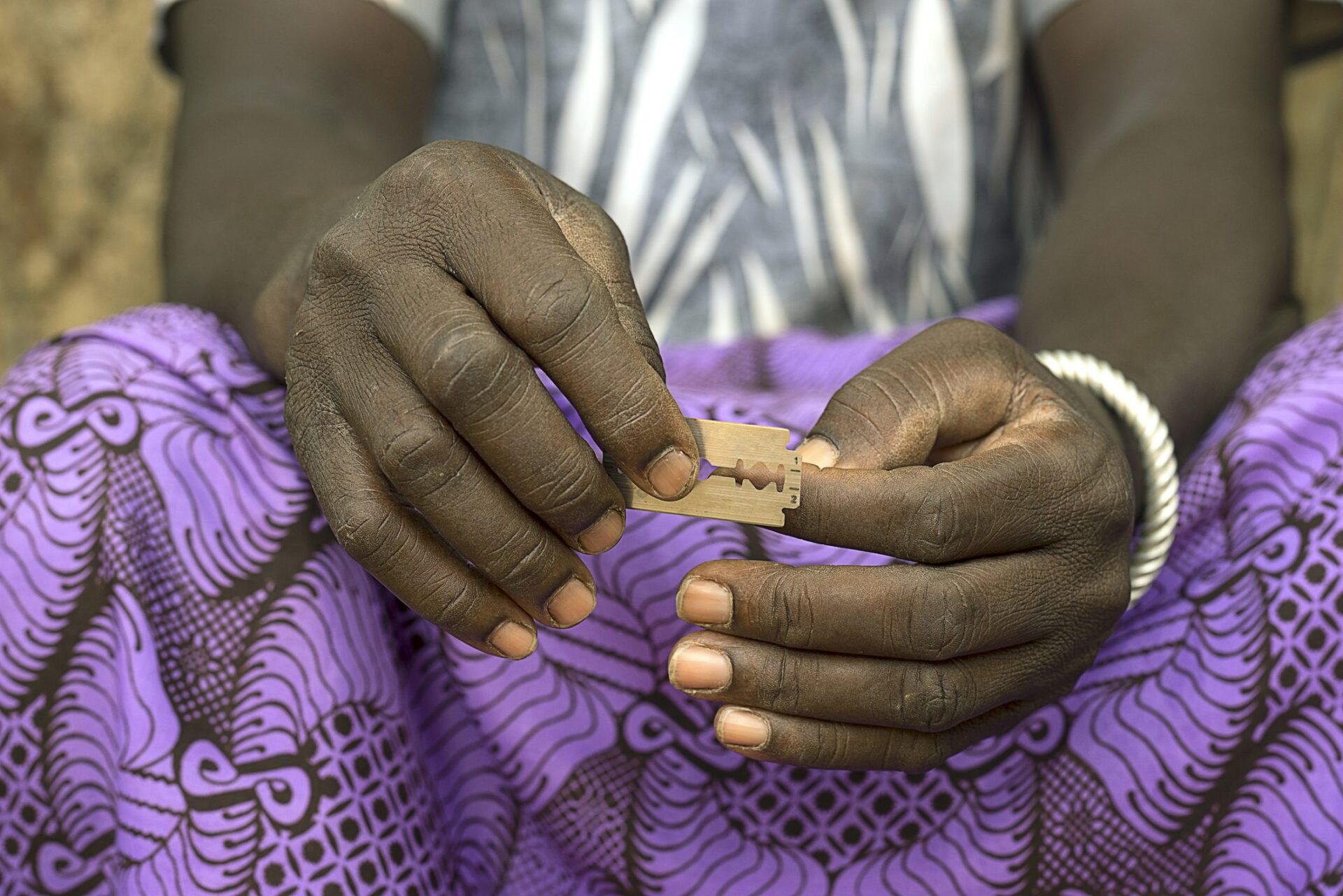
Decades after undergoing female genital mutilation (FGM) as a child in The Gambia, Fatou Sanyang still suffers extreme pain she describes as feeling like “hot water is being poured on me.” Her story underscores the ongoing human toll of a practice that remains deeply entrenched in Gambian society despite a 2015 ban.
Survivors’ Voices
Sanyang, now 30, recalls being blindfolded at age six and taken to a location filled with traditional cutters. “Everything was removed,” she said, referring to her external genitalia. Today, she experiences severe pain during menstruation and intimacy, highlighting the long-term consequences of FGM.
Another survivor, Mariama Fatajo, suffered two tears during childbirth due to FGM, leaving her unable to have more children. She warns that decriminalizing the practice would be “traumatic” and strip away protections for young girls.
Jaha Dukureh, who watched her infant sister bleed to death from FGM in the 1990s, has become a leading activist. Now a UN Women ambassador for Africa, she continues to campaign against the practice, stressing the need for dialogue with religious leaders to change entrenched norms.
Legal Battle
The Gambia’s Supreme Court is currently hearing a case brought by religious traditionalists seeking to overturn the ban. They argue FGM is a matter of religious freedom, with imams insisting it is part of Islamic beliefs.
Opponents, including NGOs such as Think Young Women, counter that FGM is not a religious requirement and instead constitutes a human rights violation, as recognized by the UN and World Health Organization.
National Context
Despite the ban, enforcement has been weak. A UNICEF survey in 2020 found that 73% of Gambian women aged 15–49 had undergone FGM. The first convictions under the law only occurred in 2023, sparking national debate.
The practice has led to infections, bleeding, sexual dysfunction, childbirth complications, and even death. In some communities, women are cut open again on their wedding night, often without anesthesia, further compounding trauma.
Conclusion
The Supreme Court’s decision will be pivotal for The Gambia, where cultural traditions and religious interpretations collide with global human rights standards. Survivors like Sanyang, Fatajo, and Dukureh continue to remind the nation of the devastating consequences of FGM, urging leaders to uphold protections for girls and women.