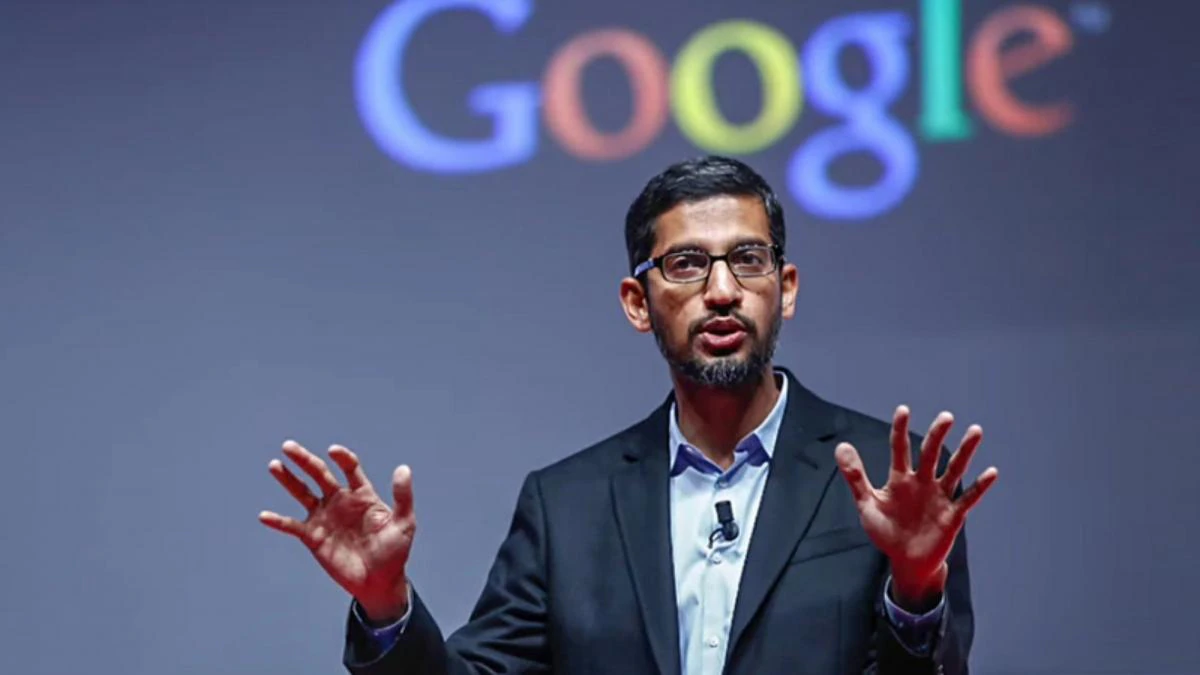
The chief executive of Google and its parent company Alphabet Inc., Sundar Pichai, could earn up to $692 million (approximately KSh 89 billion) over the next three years under a new compensation plan disclosed in a filing with the U.S. Securities and Exchange Commission (SEC).
If fully realised, the package would place Pichai among the highest-paid chief executives globally.
Salary Structure and Stock-Based Compensation
According to the SEC filing published Friday, Pichai’s base salary will remain unchanged at $2 million per year, totaling $6 million over the three-year compensation period.
The majority of his potential earnings will instead come from stock-based incentives tied to the performance of Alphabet and its affiliated companies.
The plan includes allocations of shares in Alphabet as well as equity in two of its high-profile subsidiaries: the autonomous vehicle company Waymo and the drone delivery service Wing.
Under the proposal, Pichai could receive approximately $130 million in stock from Waymo and around $45 million in shares from Wing, depending on company performance.
Performance-Based Incentives
The final value of the compensation package will depend largely on the performance of Alphabet’s stock and the dividends distributed to shareholders during the three-year period.
The structure is designed to link executive compensation directly to shareholder returns and the long-term performance of the company’s technology ventures.
Conditions for Stock Awards
The SEC filing also outlines conditions under which the stock awards could be forfeited. If Pichai were to be dismissed before certain options become exercisable, he would lose the rights to those unvested stock grants.
Alphabet stated in the filing that the incentive structure reflects the significant value created under Pichai’s leadership.
“Current and previous incentives in Mr. Pichai’s compensation have benefited Alphabet and its stockholders significantly,” the company said.
Leadership at Google and Alphabet
Pichai has served as CEO of Google since 2015 and became chief executive of Alphabet in 2019, overseeing the global operations of one of the world’s largest technology companies.
During his tenure, the company has expanded investments in artificial intelligence, cloud computing, and emerging technologies, while maintaining its dominance in internet search and digital advertising.
The new compensation plan reflects Alphabet’s continued emphasis on performance-driven executive pay tied to innovation and long-term corporate growth.