Nairobi, Kenya – The government has stepped up maize procurement from local farmers in a bid to strengthen national food reserves and ensure producers receive timely payments.
Immediate Procurement Drive
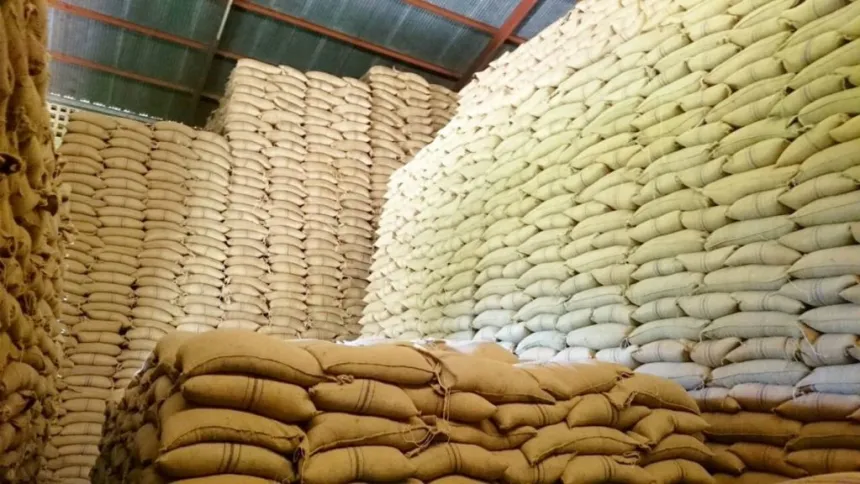
Cabinet Secretary for Agriculture Sen. Mutahi Kagwe announced that the State has set aside Ksh 1.7 billion for immediate purchases, targeting an initial 1.7 million bags for the Strategic Grain Reserve (SGR).
“We are buying maize at Ksh 4,000 per bag, and we have Ksh 1.7 billion to pay. If anyone tells you to wait, call me. As a country, we must stock our strategic reserves and be ready for emergencies. Our first option is not to import; it is to buy from our farmers,” Kagwe said.
The CS added that the long-term target is to build reserves to four million bags, stressing that local procurement both supports farmers and enhances national preparedness.
Improving Production and Storage
To safeguard quality and minimise post-harvest losses, the government is investing in improved drying infrastructure and expanding access to fertiliser. These measures are designed to strengthen production systems and ensure that reserves remain viable for emergency use.
Coordinated National Planning
Deputy President Kithure Kindiki underscored that Kenya’s food situation is being managed through coordinated national planning.
“During the holiday season, I spent some time with the National Treasury and the Ministry responsible for special programs. There is an intervention that has already been done… bringing the Kenyan government’s contribution in the last month or so on this issue to Ksh 6 billion,” Kindiki said while chairing a high-level meeting at his residence.
He further noted that the government has committed to sustained funding:
“Kenya has already committed Ksh 4 billion every 30 days and will review the situation based on the information we receive.”
Diversifying Food Security Measures
Beyond maize, the CS confirmed that local rice and wheat production are also being prioritised. Policies are being crafted to ensure domestic produce is utilised before imports are considered, reinforcing Kenya’s commitment to food sovereignty.
Conclusion
Together, these measures aim to support farmers’ incomes, strengthen reserves, and stabilise food supplies through a system anchored on local production. By prioritising homegrown solutions, the government is positioning Kenya to better withstand future food security challenges while empowering its agricultural sector.