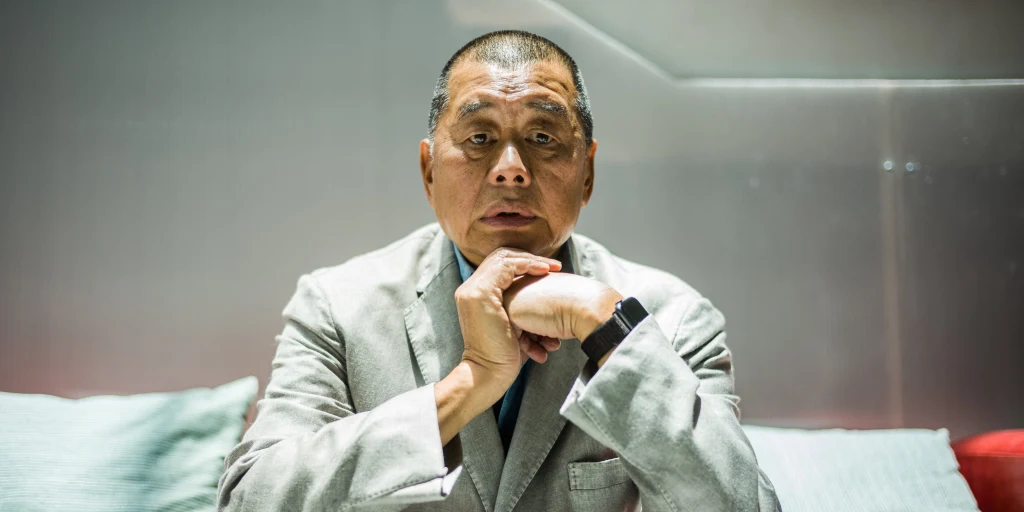
Hong Kong – Pro-democracy activist and former media tycoon Jimmy Lai has been sentenced to 20 years in prison, the longest punishment handed down so far under the China-imposed national security law that has reshaped Hong Kong’s political and media landscape.
Lai, 78, was convicted in December 2025 of conspiring with foreign forces to endanger national security and conspiracy to publish seditious articles. His co-defendants – six former employees of his now-defunct Apple Daily newspaper and two activists – received prison terms ranging from six years and three months to 10 years.
Courtroom Drama
Lai smiled and waved to supporters as he entered the courtroom, but appeared solemn before leaving, as some in the public gallery wept. His lawyer, Robert Pang, declined to comment on whether an appeal would be filed.
Judges ruled that Lai was the mastermind of the conspiracies, warranting a heavier sentence. They noted his age and health issues, including diabetes and high blood pressure, but said his leadership role justified the punishment. Eighteen years of his sentence will run consecutively to a separate five-year, nine-month fraud conviction.
Family Reaction
Lai’s family condemned the ruling. His son Sebastien called the sentence “draconian” and said it signified the “total destruction of the Hong Kong legal system.” His sister Claire described it as “heartbreakingly cruel,” adding:
“If this sentence is carried out, he will die a martyr behind bars.”
International Response
The verdict has drawn sharp criticism from foreign governments:
- U.S. President Donald Trump said he felt “so badly” after the ruling and revealed he had spoken to Chinese leader Xi Jinping about Lai’s case.
- British Prime Minister Keir Starmer’s government called for Lai’s release, with Foreign Secretary Yvette Cooper labeling the prosecution “politically motivated.”
- Australian Foreign Minister Penny Wong expressed grave concern over the sentences.
Human Rights Watch’s Asia Director Elaine Pearson described the punishment as “effectively a death sentence,” calling it cruel and unjust.
Apple Daily Legacy
Founded in 1995, Apple Daily was known for its critical reporting on Hong Kong and Beijing authorities. It was forced to shut down in June 2021 after senior staff were arrested under the security law. Once ranked 18th globally for press freedom in 2002, Hong Kong fell to 140th place in 2025, according to Reporters Without Borders.
Broader Implications
Legal experts warn the case sets a precedent for how “collusion with foreign forces” and “seditious intent” may be broadly applied to journalism and academic work. Urania Chiu, a lecturer in law at Oxford Brookes University, noted:
“Offering and publishing legitimate critiques of the state, which often involves engagement with international platforms and audiences, may now easily be construed as ‘collusion.’”
Conclusion
Jimmy Lai’s sentencing marks a watershed moment in Hong Kong’s crackdown on dissent. While authorities insist the case demonstrates the rule of law, critics argue it represents the erosion of press freedom and judicial independence in the city.