
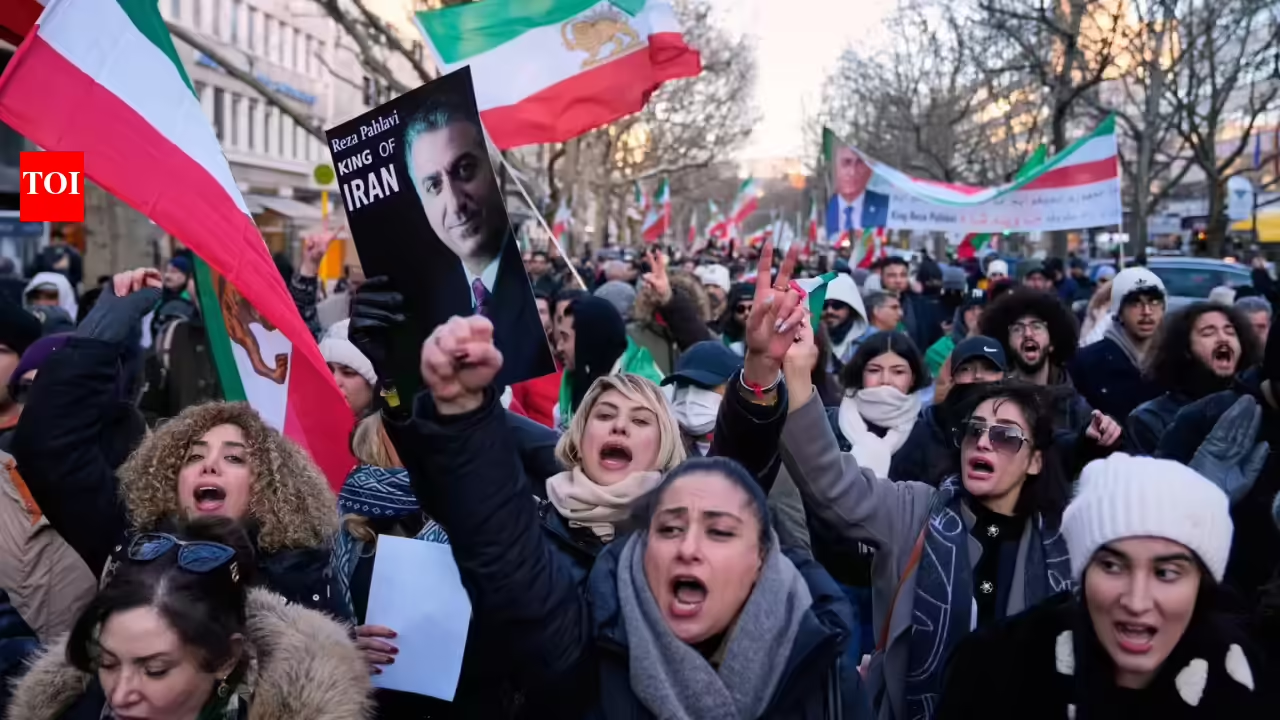
As nationwide protests in Iran entered their third week, Tehran issued stark warnings that it would retaliate if the United States launched any attack. The unrest, which began in late December over rising prices, has escalated into anti-government demonstrations targeting the clerical leadership that has ruled Iran since the 1979 Islamic Revolution.
US President Donald Trump has repeatedly threatened intervention to protect demonstrators amid a deadly crackdown by Iranian security forces. In response, Iran’s parliament speaker, Mohammad Baqer Qalibaf, warned that Israel and US military assets, including regional shipping centres, could become legitimate targets in the event of an attack. He directly referenced Israel as “the occupied territory” and suggested the possibility of a pre-emptive strike.
Iranian authorities accuse the US and Israel of instigating the unrest. Security forces have intensified measures against protesters, but demonstrators continue to take to the streets in Tehran and other cities despite ongoing suppression. Human rights groups report at least 116 deaths and over 2,600 detentions since the protests began. The full extent of casualties and arrests remains unclear due to a near-total internet blackout across the country.
The severity of Iran’s threats remains uncertain, particularly following the destruction of some of its air defenses during the 12-day conflict with Israel in June. Any decision to engage militarily would ultimately rest with Iran’s 86-year-old Supreme Leader, Ayatollah Ali Khamenei, whose authority shapes the nation’s strategic and defense policies.
As the situation develops, international observers warn that tensions in the region could escalate quickly if either side miscalculates, highlighting the delicate balance between domestic unrest and broader geopolitical dynamics.

