
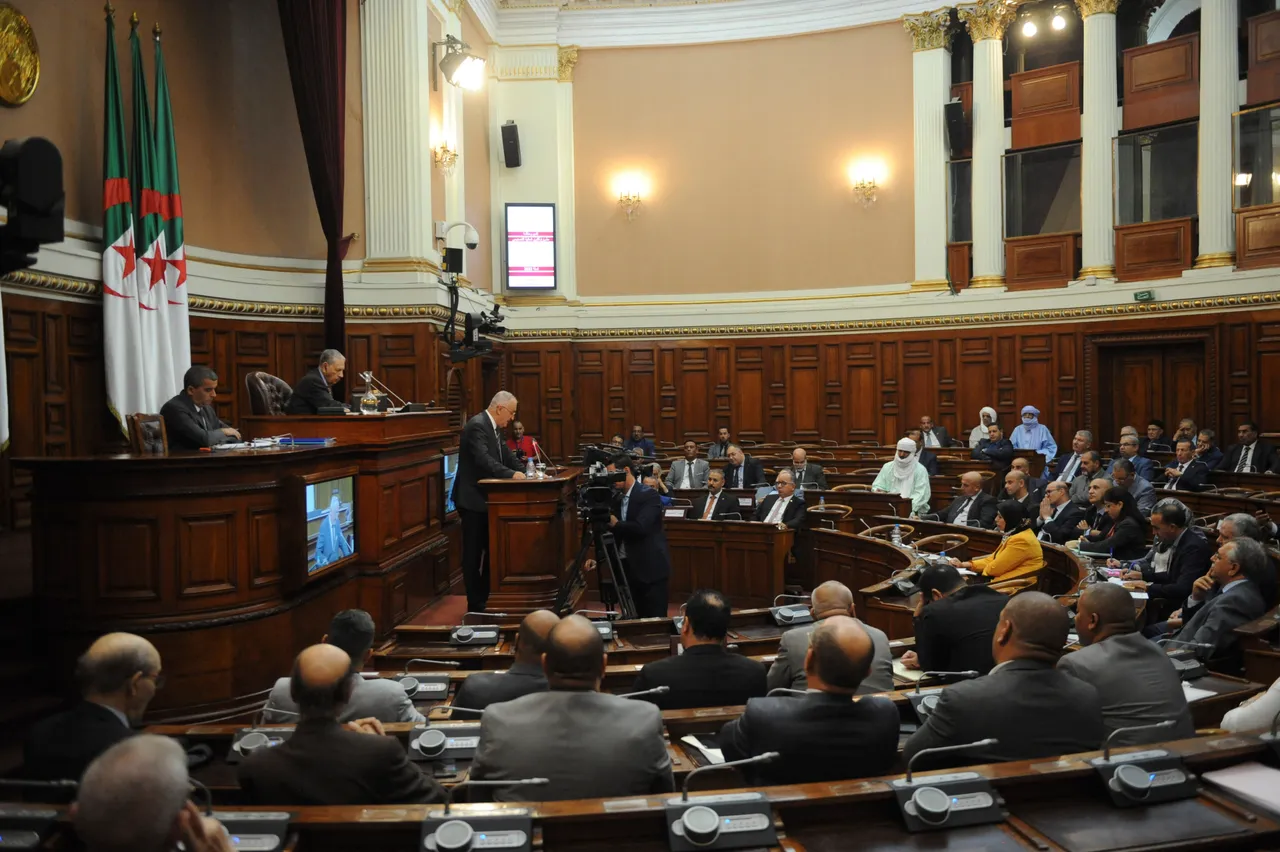
Algeria’s Senate has demanded revisions to a landmark law declaring France’s 1830–1962 colonization a crime, creating legislative discord just weeks after the lower house unanimously passed the bill.
Legislative Disagreement
On December 24, Algeria’s lower house voted to classify colonization as a crime with “legal responsibility,” while also demanding an apology and reparations from Paris. The Senate, however, objected to specific articles particularly those related to financial compensation.
Because the Senate cannot directly amend legislation, a joint committee must now reconcile the text before it can move forward.
President Tebboune’s Position
The disagreement reflects President Abdelmadjid Tebboune’s stance that Algeria is “not tempted by money” but seeks formal recognition of colonial crimes rather than financial restitution.
France Condemns the Bill
The legislation has further strained diplomatic ties between Algiers and Paris, already tense following France’s endorsement of Moroccan sovereignty over Western Sahara.
Paris condemned the bill as “clearly hostile,” while the Algerian text enumerates colonial crimes including:
- Nuclear tests
- Extrajudicial killings
- Torture
- Systematic resource plundering
The law asserts that “full and fair compensation” remains an inalienable right.
Disputed History
The legislation also invokes contested historical tolls, stating that the war killed 1.5 million Algerians. French historians dispute this figure, estimating around 500,000 total deaths, including 400,000 Algerians.
Although French President Emmanuel Macron previously acknowledged colonization as a “crime against humanity,” France has yet to issue a formal apology leaving unresolved questions of accountability and recognition.
Conclusion
Algeria’s legislative process highlights the enduring trauma of colonization and the complexities of reconciling historical memory with modern diplomacy. As the joint committee works to reconcile the bill, the debate underscores both Algeria’s demand for recognition and France’s reluctance to confront its colonial past.

