A South African court has rejected an attempt by the country’s heritage authority to stop the sale and export of items linked to Nelson Mandela, ruling that the agency lacked legal grounds to intervene.
Supreme Court of Appeal Decision
The Supreme Court of Appeal found that the South African Heritage Resources Agency (SAHRA) had interpreted heritage law too broadly in its effort to block the auction of around 70 personal items belonging to Mandela. Judges noted that SAHRA failed to clearly explain why the objects should be legally classified as protected heritage, while the owners provided detailed reasons why they were not.
Items Set for Auction
The collection includes deeply symbolic belongings such as:
- A cell key from Robben Island, where Mandela spent 18 years in prison
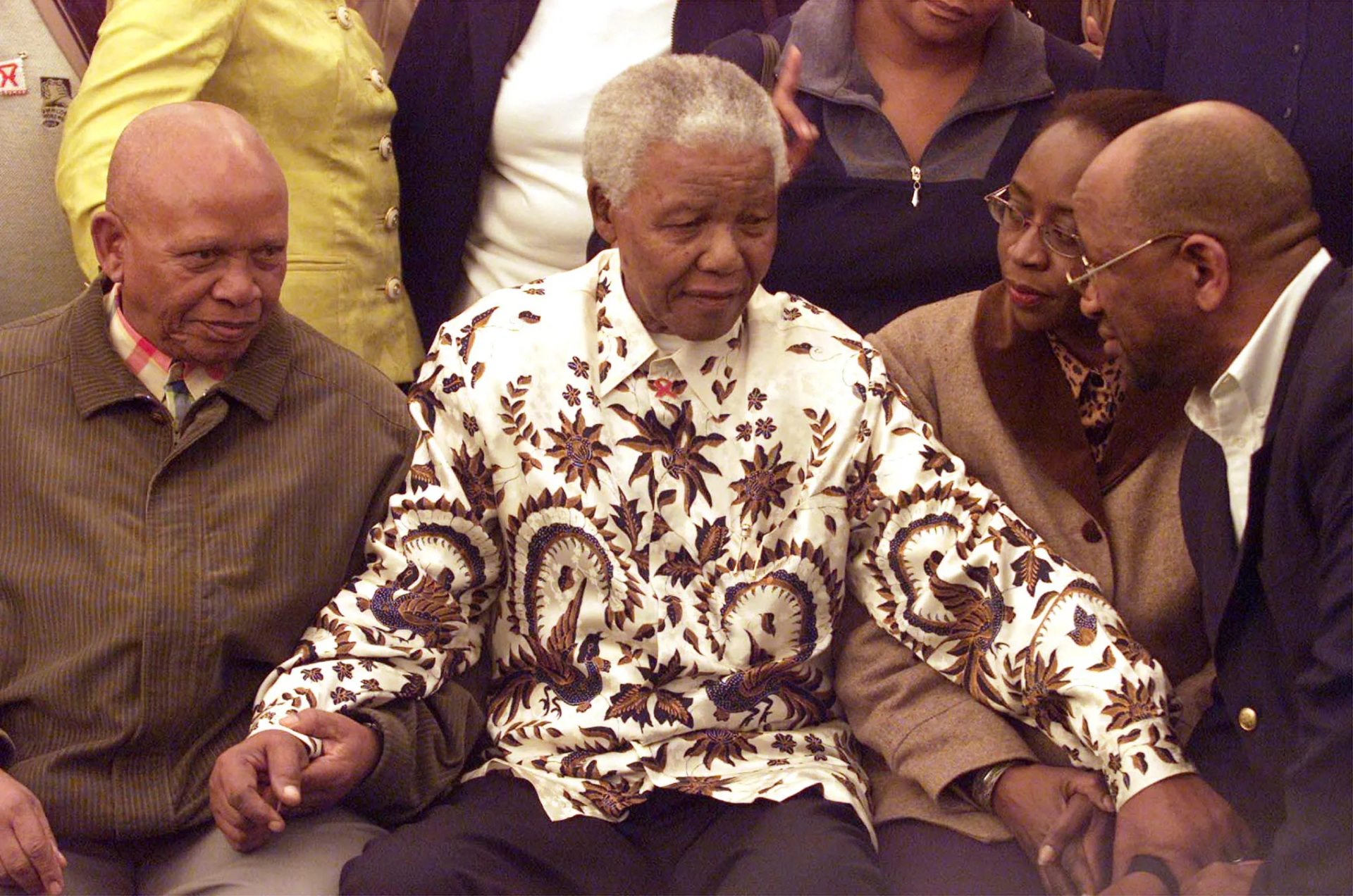
- A pair of sunglasses and one of his iconic floral shirts
- A signed copy of South Africa’s 1996 Constitution
- A tennis racquet Mandela used while imprisoned
- Drawings, identification documents, and gifts from world leaders, including Barack and Michelle Obama
The items belong to Mandela’s eldest daughter, Makaziwe Mandela, and Christo Brand, a former Robben Island prison warden who later became close to Mandela.
SAHRA’s Argument
SAHRA argued that the items formed part of South Africa’s national heritage and should not be sold or exported. The agency said it first learned of the planned auction in 2021 through a newspaper report and later contacted the U.S. auction house to stop the sale.
Family Response
Makaziwe Mandela welcomed the ruling, criticizing SAHRA for assuming it understood her father’s wishes better than his family.
“The family is committed to preserving Mandela’s legacy,” she said, adding that no final decision has been made on whether the items will now be sold.
The proceeds were originally intended to fund a memorial garden at Mandela’s grave in Qunu, Eastern Cape.
Next Steps Unclear
It remains uncertain whether the government will pursue further legal action. Officials from the Department of Sport, Arts and Culture have not yet commented on the ruling.
Mandela’s Legacy
Nelson Mandela, who died in 2013 at the age of 95, was released from prison in 1990 after 27 years of incarceration. He became South Africa’s first black president in 1994 and won the Nobel Peace Prize in 1993 for his role in ending apartheid.
Conclusion
The court’s decision underscores the tension between heritage preservation and private ownership, raising broader questions about how Mandela’s legacy should be honored. Whether the items will ultimately be sold remains unresolved, but the ruling affirms the rights of his family to decide their fate.