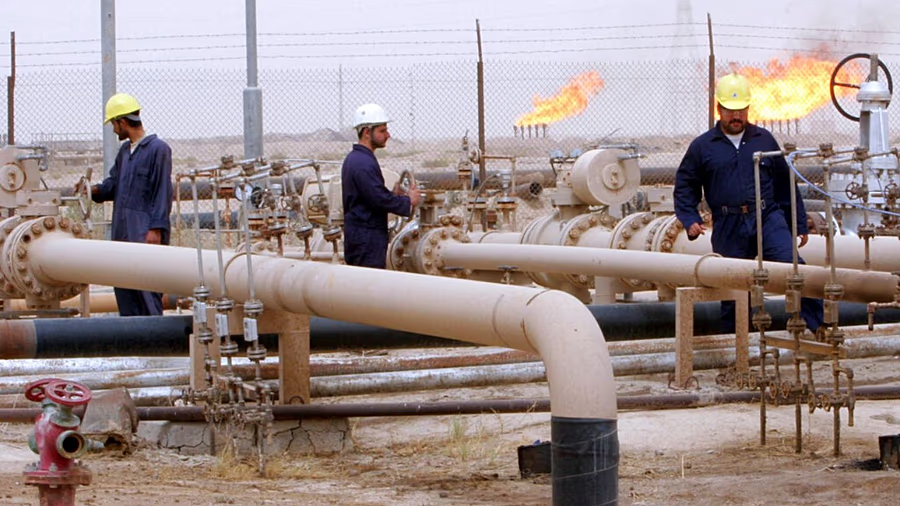
Tripoli, Libya – Libya has granted new oil exploration and production licences to several foreign companies for the first time in 17 years, marking a significant step toward reviving its energy sector after years of political instability.
The National Oil Corporation (NOC) announced the winners of the latest bidding round on Wednesday, February 11, 2026, as part of a broader plan to boost daily oil production by 850,000 barrels over the next 25 years.
Global Energy Players Return
Among the companies awarded licences were:
- Chevron (United States)
- Aiteo (Nigeria)
- A consortium of Spain’s Repsol with British Petroleum (BP)
- A consortium of Repsol with Hungary’s MOLGroup
- Eni North Africa with QatarEnergy
The NOC opened bids for 20 oil blocks, including 11 offshore, though none of the offshore blocks received offers. Five blocks were licensed in this round, with another bidding round expected later this year.
NOC’s Commitment
NOC Chairman Masoud Suleman hailed the move as a “return of trust” in Libya’s oil sector.
“Today’s announcements are not merely technical or administrative. They are part of a broader national path that aims for prosperity, growth, the return of normalcy,” Suleman said.
He pledged integrity, transparency, equal opportunities, and a focus on maximizing national returns.
Libya’s Oil Landscape
Libya currently produces around 1.5 million barrels per day, sitting on Africa’s largest oil reserves estimated at 48.4 billion barrels.
However, the industry has faced persistent challenges since the 2011 NATO-backed revolt that toppled longtime leader Muammar Gaddafi, leaving the country divided and vulnerable to security threats.
Recent Investments
Last month, Libya signed agreements worth more than $20 billion with TotalEnergies and ConocoPhillips to increase oil production over the next 25 years.
Conclusion
The return of major energy players signals cautious optimism for Libya’s oil industry. While challenges remain, the new licences mark a turning point in efforts to stabilize the sector and attract long-term investment, potentially reshaping the country’s economic future.