
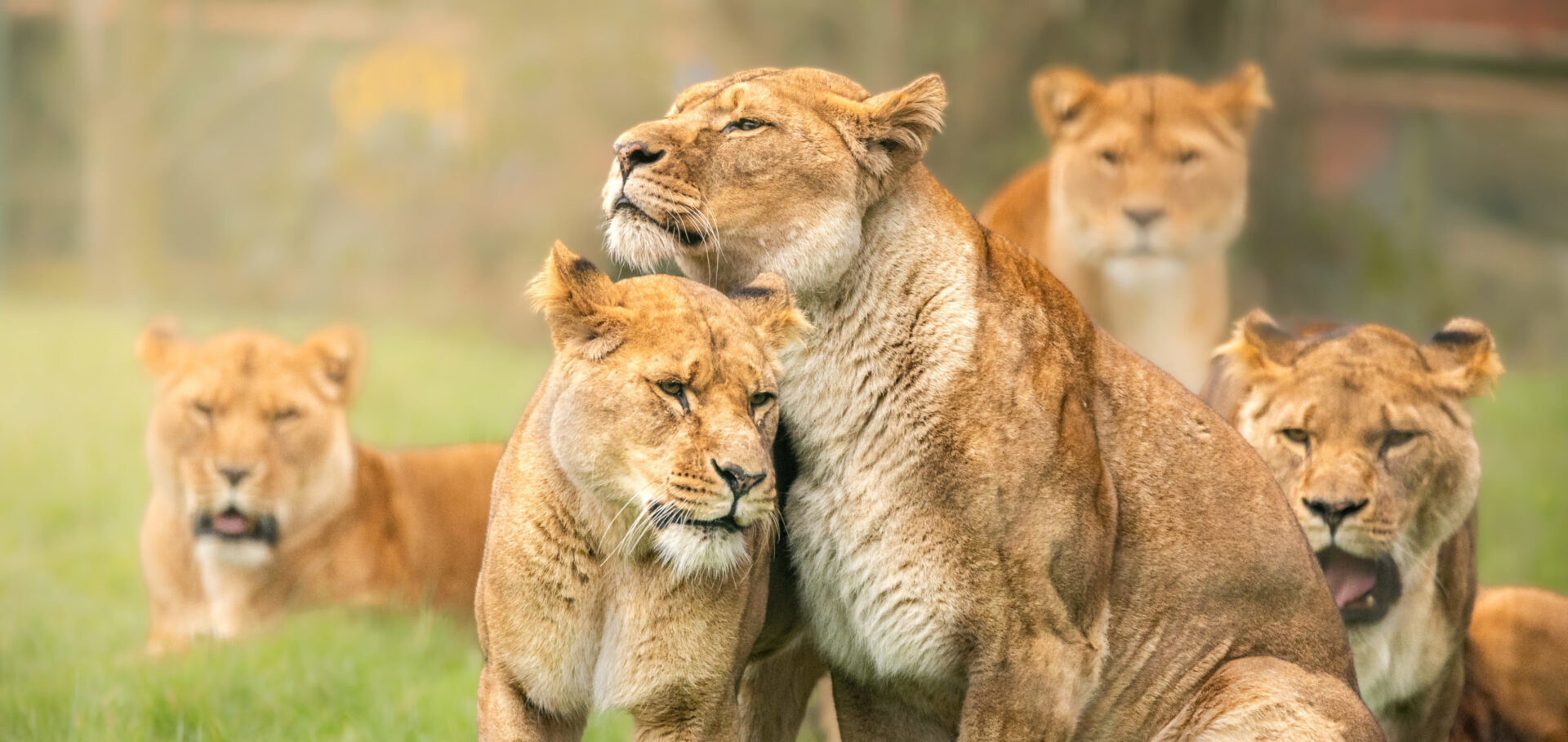
Malawi’s Department of National Parks and Wildlife (DNPW), in partnership with African Parks, has launched a population control program for lions in two of the country’s key reserves Majete and Liwonde. The initiative aims to address the growing number of predators that have exceeded the ecological limits of the parks and increasingly encroached on nearby communities.
The program involves administering contraceptives to sexually mature lions to temporarily limit reproduction. Initially implemented at Majete Wildlife Reserve, located about 70 kilometres south of Blantyre, the approach has now been extended to Liwonde Wildlife Reserve after similar trends were observed.
DNPW Director Brighton Kumchedwa said the rapid increase in lion numbers has created new challenges, including frequent fence breaches and rising human-wildlife conflict. “Lions have been leaving the reserves and entering local communities, posing safety risks and threatening livestock,” he told Xinhua.
Beyond safety concerns, Kumchedwa noted that the imbalance has disrupted local ecosystems. “Higher predation rates have led to a sharp decline in antelope populations, undermining biodiversity. The contraceptive program provides a temporary but necessary solution while long-term measures are developed,” he explained.
Each treatment is expected to last around five years, after which the lions’ reproductive cycles will return to normal. Authorities plan to reassess population management at that point, exploring more sustainable methods for balancing predator-prey dynamics.
Human-wildlife conflicts have intensified across Malawi in recent years. Between January and October 2025 alone, incidents involving lions, hyenas, crocodiles, hippos, and buffaloes resulted in at least 19 deaths and numerous injuries.
Officials from the DNPW and African Parks emphasized that the lion contraceptive initiative reflects a broader strategy to protect both people and wildlife. It complements other measures such as improved fencing and community education programs designed to minimize dangerous encounters.
By introducing this innovative approach, Malawi hopes to preserve its lion populations responsibly while safeguarding surrounding communities and maintaining ecological stability in its protected areas.

