Authorities in Maputo, Mozambique reported on Thursday that 13 people have died in severe floods over the past two weeks, with aid workers warning that the toll is likely to rise as waters recede and more bodies are discovered.
Widespread Devastation
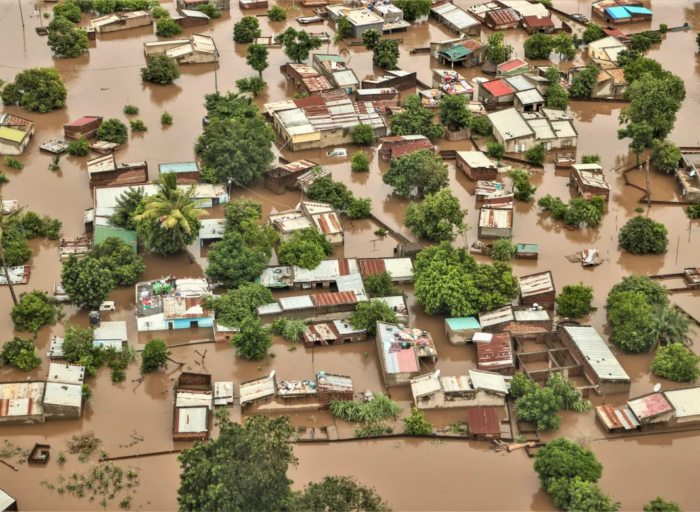
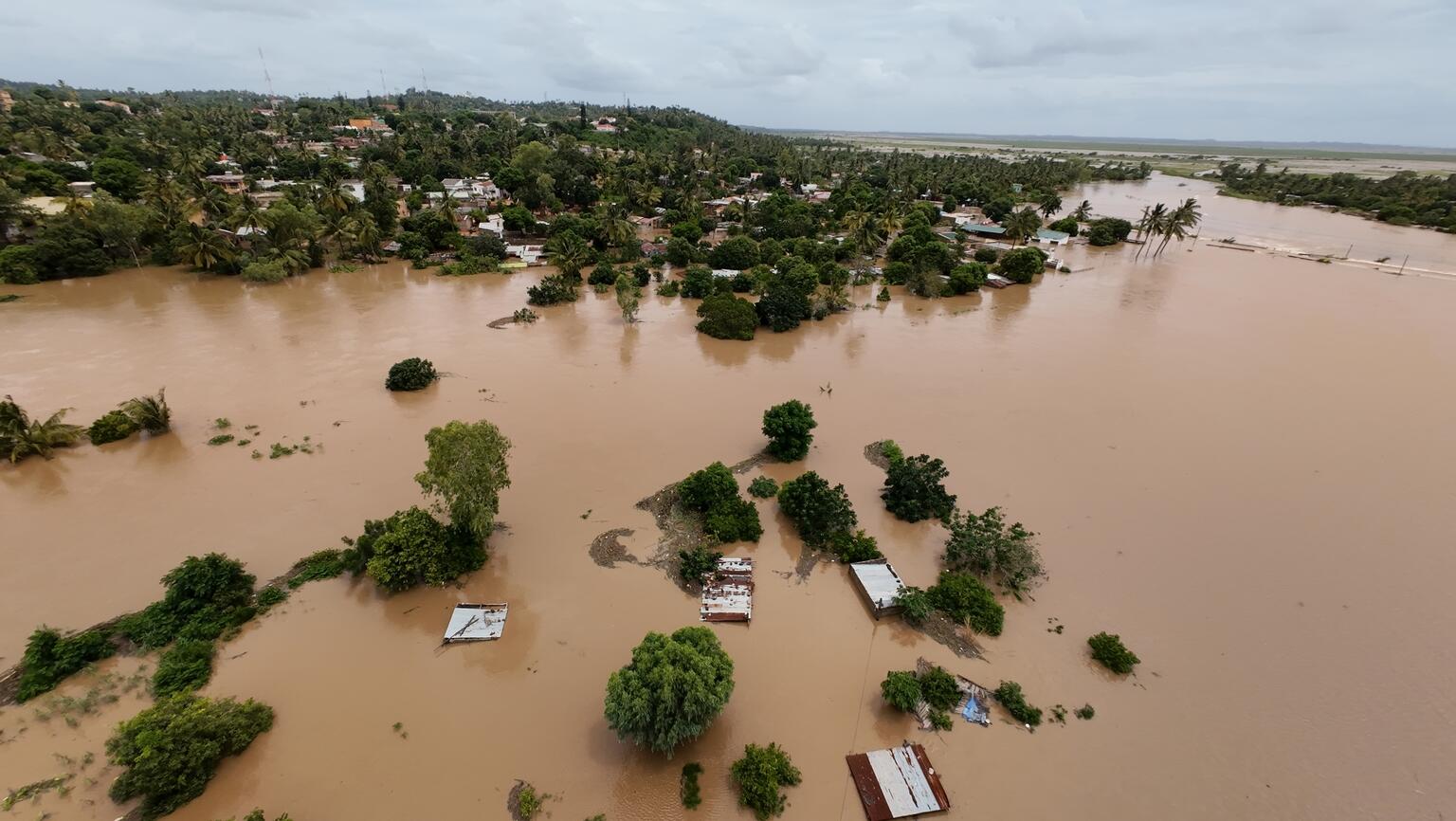
Heavy rains have caused rivers and dams to overflow, submerging towns and affecting more than half a million people. Neighboring South Africa has also experienced flooding in some regions.
By Thursday, rainfall had subsided in certain areas, but the damage remained extensive. In Maputo, some buildings were submerged up to their rooftops, and the city was cut off from the rest of the country after flooding on a major national highway made several areas inaccessible.
Local shopkeeper Justino Zita, whose business was destroyed, expressed resilience despite the hardship:
“I won’t give up. We won’t give up but we will have difficulty.”
Children Among the Most Vulnerable
Mary Louise Eagleton, UNICEF’s representative in Mozambique, said she expected the number of dead and wounded to rise, noting that children are among the most vulnerable victims.
“We expect that a large proportion of those who have been swept away or killed by the floods are children,” she told Reuters.
Worst Floods in Decades
Officials have described the flooding as the worst since at least 2000, when around 700 people were killed in Mozambique.
Paulo Tomas, spokesperson for the National Institute for Disaster Risk Management, said that early-warning systems and mandatory evacuations may have reduced casualties this time.
“Many people complied by voluntarily leaving the most affected areas,” he explained.
However, Tomas cautioned that the relatively low death toll so far may also reflect limited access to submerged areas, where the full extent of the disaster has yet to be assessed.
Conclusion
Mozambique’s floods highlight the devastating impact of extreme weather events on vulnerable communities. With infrastructure crippled, livelihoods destroyed, and children disproportionately affected, the country faces a long road to recovery. As waters recede, the true scale of the tragedy will become clearer, underscoring the urgent need for sustained humanitarian support and disaster preparedness.