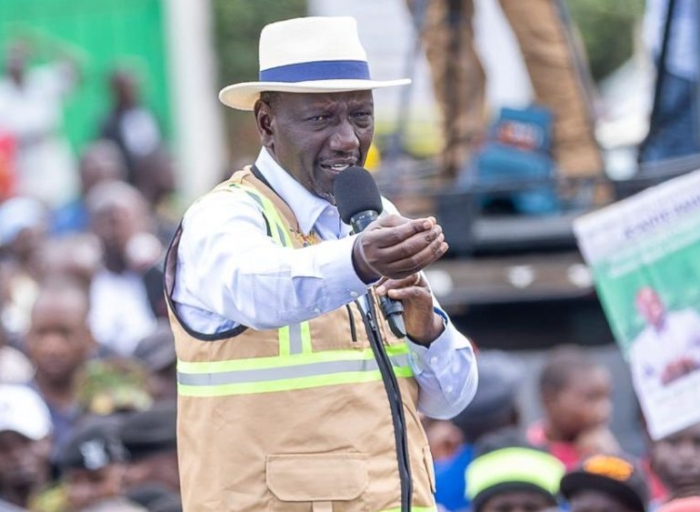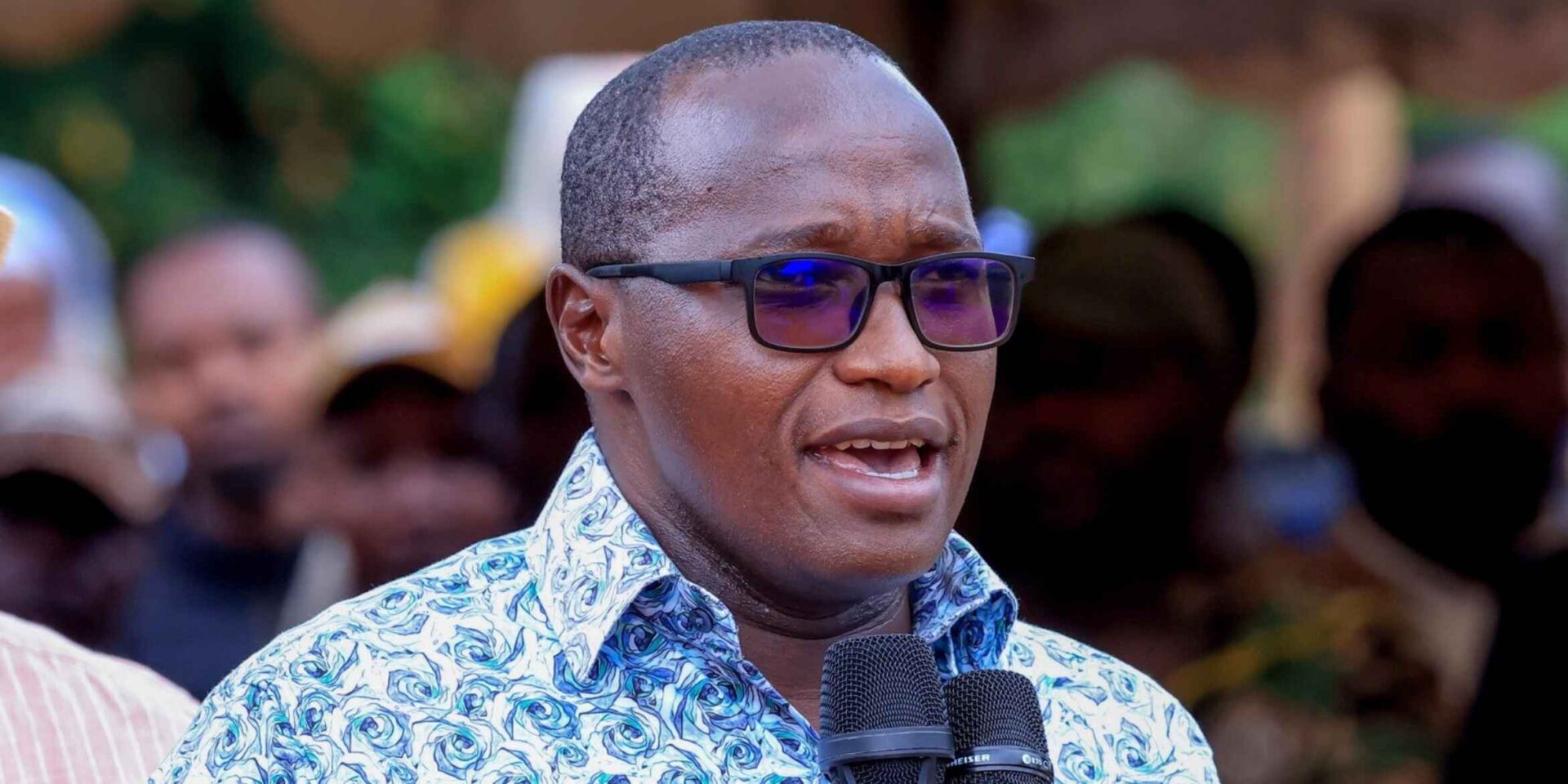
Mukurweini Member of Parliament John Kaguchia has alleged that politicians receive Ksh.100,000 each time they attend Parliamentary Group (PG) meetings at State House. Speaking during an interview with Citizen TV on Monday, Kaguchia claimed that the Executive is using financial incentives to influence political leadership, accusing leaders of prioritizing personal gain over service delivery.
Allegations of Tokenism
“Political leadership has been captured by the executive, and most of them are now looking at how much money they are getting as individuals. Once you see a political leader going to State House, they get a lot of benefits,” Kaguchia said.
He added that while he initially declined the payments, he eventually stopped attending the meetings altogether.
According to the legislator, many politicians are focused on forging alliances ahead of the 2027 elections, neglecting citizens who urgently need improved service delivery.
Parliamentary Group Meetings
Since the United Democratic Alliance (UDA) became the ruling party after the 2022 elections, it has convened several PG meetings. Notable sessions include:
- April 11, May 23, and November 7, 2023 – UDA PG meetings at State House.
- February 2024 – A joint retreat in Naivasha bringing together President William Ruto’s cabinet, senators, and MPs.
- June 18, 2024 – PG meeting following anti-government protests, where significant changes were made to the Finance Bill 2024.
- August 2025 – A joint PG meeting between UDA and ODM at State House to review progress on the 10-point Agenda and the National Dialogue Committee (NADCO) report.
President Ruto has since announced plans for another joint UDA–ODM PG meeting to follow up on the August 18 inaugural session.
Party Numbers in Parliament
According to documents published by the National Assembly, UDA holds the majority in the 13th Parliament, with 29 Senators and 145 MPs as of May 22, 2023. ODM, meanwhile, has 86 MPs and 19 Senators, including nominated members.
Broader Implications
Kaguchia’s claims highlight ongoing debates about transparency, accountability, and the role of financial incentives in Kenya’s political landscape. As the 2027 elections draw closer, questions about governance, service delivery, and the influence of the Executive are likely to remain central to public discourse.