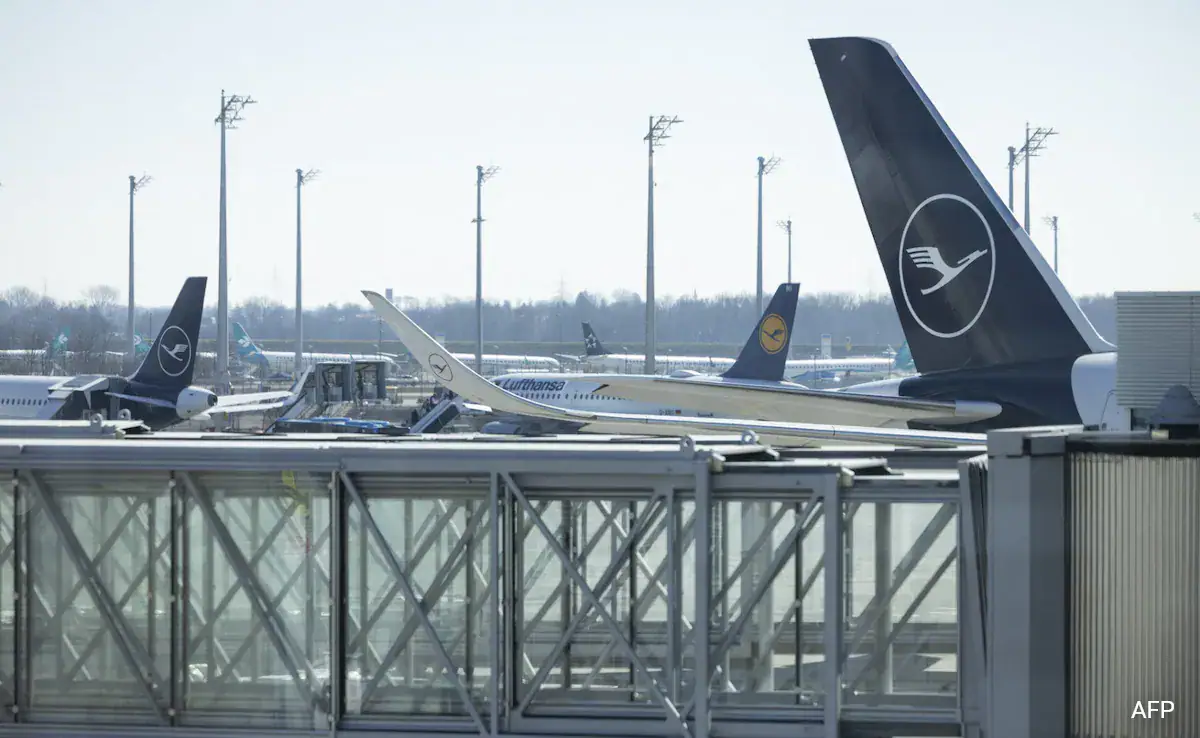
Munich Airport suspended all flights on Friday evening, October 3, 2025, after further unconfirmed drone sightings — the second major disruption in just 24 hours. Around 6,500 passengers were affected when operations stopped at 21:30 local time, following Thursday’s grounding of at least 17 flights for the same reason.
The incidents highlight a growing security challenge for European aviation. Authorities in Belgium are investigating reports of 15 drones seen above the Elsenborn military site near the German border on Thursday. The drones were later spotted in Düren, Germany, but officials have yet to determine their origin or operators.
Germany’s Interior Minister Alexander Dobrindt has pledged tougher countermeasures, including accelerating legislation to let police request military support in shooting drones down. He also confirmed the issue will be raised at a European interior ministers’ meeting originally scheduled to focus on migration.
The surge in drone activity has already forced Copenhagen and Oslo airports to shut temporarily this week, with several EU states backing the creation of a “drone wall” — a multi-layered defense system to detect, track, and destroy hostile drones.
Recent airspace violations have escalated tensions. Twenty Russian drones reportedly crossed into Poland, while Russian MiG-31 jets entered Estonian airspace in separate incidents. German Chancellor Friedrich Merz said it was “reasonable to assume” the drones came from Russia, though Moscow denies involvement.
Speaking in Sochi, Russian President Vladimir Putin dismissed the allegations with sarcasm, joking: “I won’t do it again – not to France or Denmark or Copenhagen.”
The incidents underscore the rising threat drones pose to European security and civil aviation, with governments scrambling to bolster defenses amid fears of wider geopolitical escalation.