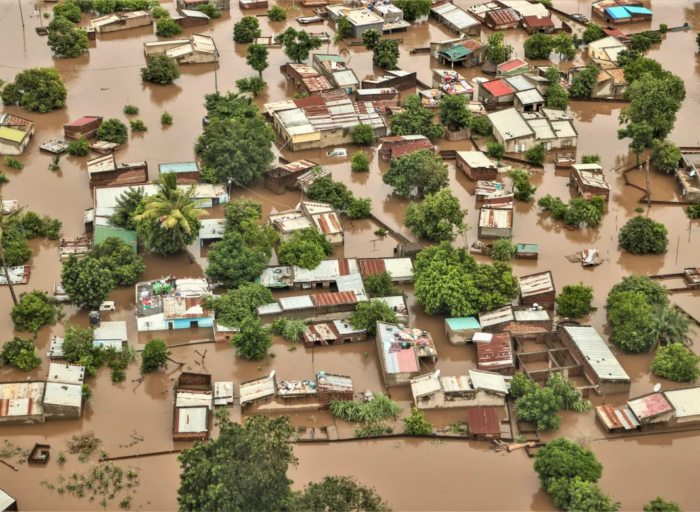
The Nairobi County Government has activated emergency response measures following heavy rainfall that caused widespread flooding across parts of the capital on the night of March 6. Authorities say coordinated efforts are underway to mitigate the effects of the downpour and protect residents from further risks.
In a statement, Johnson Sakaja said the county had mobilised personnel and resources to address the unfolding situation.
“Nairobi City County Disaster Management and Risk Department has fully mobilised all available resources and personnel to manage the situation, urging residents to remain vigilant, prioritise their safety, and utilise the emergency hotlines provided,” the statement said.
Disaster Response and Flood Mitigation Measures
According to the county government, the Multi-Sectoral Disaster and Flood Mitigation Committee has been activated to ensure 24-hour monitoring and rapid response operations across Nairobi.
Emergency teams drawn from the mobility and works sector—including the Green Army—have been deployed across all 17 sub-counties to conduct emergency de-silting of drainage systems and clear blocked waterways.
The county is also collaborating with key national road agencies including the Kenya National Highways Authority and the Kenya Urban Roads Authority to ensure major transport corridors remain passable. Contractors working under KURA have been instructed to immediately address drainage blockages, remove fallen trees, and clear debris from roadways.
Additionally, emergency response teams from the county’s fire and disaster management units have been deployed to flood-prone areas to support rescue operations. A multi-agency team involving the National Police Service and the Kenya Red Cross Society is coordinating field operations.
Evacuation Centres and Public Safety Advisory
Authorities have identified several low-lying areas at high risk of flooding and established temporary evacuation centres equipped with essential supplies for residents who may need relocation.
Residents have been urged to report emergencies such as flooding, fallen trees, or blocked drainage systems through the county’s 24-hour dispatch centre. The county government also cautioned the public against crossing flooded roads or bridges and advised residents to avoid downed power lines during storms.
Flooding Disrupts Transport and Residential Areas
The emergency response follows severe flooding that affected multiple neighbourhoods across Nairobi after the heavy downpour overwhelmed the city’s drainage systems. Areas including Nairobi West, South B, and South C were among the hardest hit.
Major transport routes experienced significant disruptions. Motorists along Uhuru Highway encountered near-submerged sections of the road, while flooding was also reported in Kilimani and parts of the central business district, where heavy runoff slowed traffic and forced some drivers to abandon their routes.
In several locations, commuters were forced to disembark from public service vehicles and wade through floodwaters as traffic came to a standstill. Residents in South C also reported water entering homes after drainage systems failed to cope with the sudden surge of rainwater.
Public Frustration Over Recurrent Flooding
The flooding sparked widespread frustration among Nairobi residents, many of whom took to social media to criticise what they described as persistent drainage failures in the city. Critics argue that blocked drainage systems, uncollected waste, and rapid urban development without adequate infrastructure have increased Nairobi’s vulnerability to flooding during heavy rains.
Some residents also accused the county administration of reacting to disasters rather than implementing long-term preventive measures to address the city’s chronic flooding challenges.