President Ferdinand Marcos Jr. has declared a state of calamity across the Philippines after Typhoon Kalmaegi one of the strongest storms of the year devastated the central region, killing at least 114 people and leaving dozens missing.
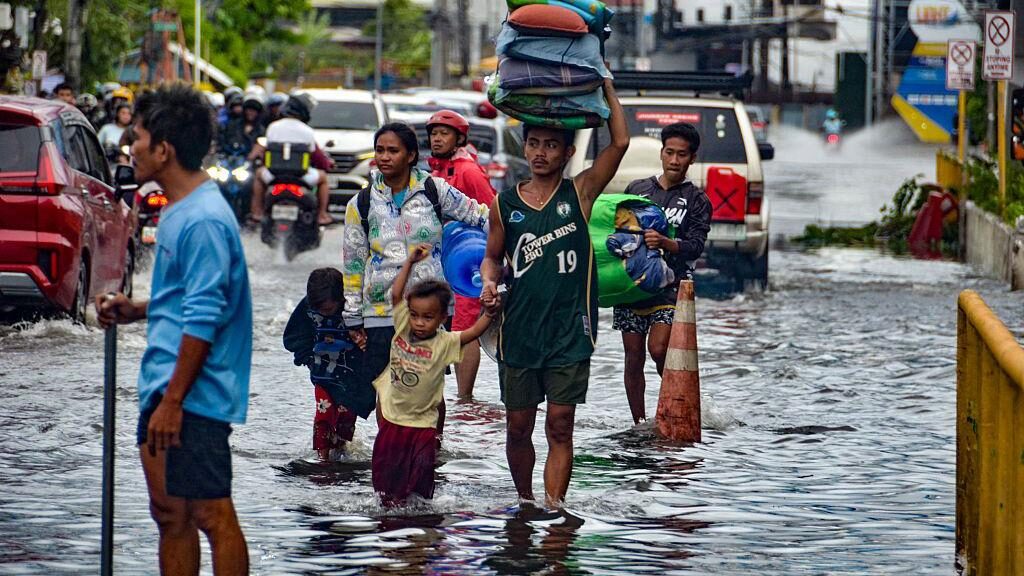
The powerful typhoon unleashed widespread flooding and destruction, submerging entire towns on Cebu Island, the country’s most populous region. Officials confirmed 71 deaths in Cebu alone, with 127 people missing and 82 injured. Local authorities reported an additional 28 deaths not yet included in the national tally released by the civil defence office, according to AFP.
Typhoon Kalmaegi, known locally as Tino, exited Philippine territory early Thursday morning and is now heading toward central Vietnam, where residents are still recovering from recent floods that claimed dozens of lives.
National Emergency Declared
President Marcos Jr. announced the state of calamity during a press briefing, citing the extensive damage caused by Kalmaegi and the potential threat posed by another approaching storm, Typhoon Uwan, expected to hit the country over the weekend.
“Almost 10 to 12 regions will be affected. With that kind of scope, this is a national calamity,” he said.
Under Philippine law, a state of calamity allows the government to mobilize emergency funds, expedite procurement and relief efforts, and provide financial aid to affected families.
“Unprecedented” Flooding in Cebu
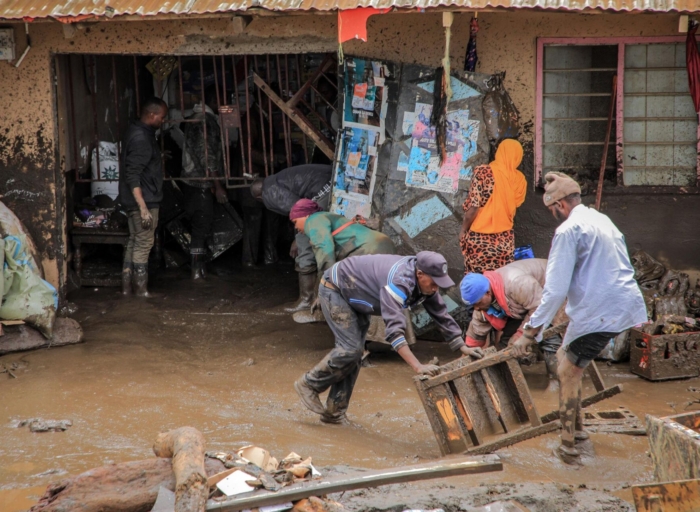
Officials described the devastation in Cebu as “unprecedented,” with torrential rains triggering flash floods and landslides that swept through residential areas. Most casualties were caused by drowning, as torrents of muddy water engulfed homes and streets.
Entire neighborhoods have been left in ruins. Small buildings were swept away, and thick layers of mud and debris now cover much of the affected areas.
Local resident Jel-an Moira Servas, who fled her flooded home in Mandaue City, told the BBC that she and her family had just minutes to escape as the water rose waist-deep.
“The rain has stopped and the sun is out, but our houses are still filled with mud, and everything inside is in shambles,” she said tearfully. “We don’t even know where to start cleaning.”
A Year of Relentless Storms
Kalmaegi is the 20th tropical cyclone to strike the Philippines this year. The country, situated in the Pacific typhoon belt, is frequently battered by powerful storms.
The latest disaster comes barely a month after Super Typhoon Ragasa (locally Nando) and Typhoon Bualoi (Opong) struck in succession, killing over a dozen people and destroying infrastructure and crops.
Earlier in the year, an unusually intense monsoon season caused widespread flooding, prompting public anger over unfinished flood-control projects and allegations of corruption in infrastructure spending.
Regional Threats
As of Thursday afternoon, Typhoon Kalmaegi has strengthened, with sustained winds of 155 km/h as it moves toward Vietnam, where authorities have canceled over 50 flights and issued flood warnings.
Meanwhile, Thailand is on high alert, with officials warning of potential flash floods, landslides, and river overflows in the coming days as the storm system moves westward across Southeast Asia.