The Philippines is bracing for the arrival of Typhoon Fung-wong, prompting the evacuation of more than 900,000 people ahead of its expected landfall on Sunday evening, November 9, 2025. The storm, locally known as Uwan, has been upgraded to a super typhoon, with sustained winds of approximately 185 km/h (115 mph) and gusts reaching 230 km/h (143 mph).
The Philippine Atmospheric, Geophysical and Astronomical Services Administration (PAGASA) has issued warnings of life-threatening storm surges exceeding 3 meters (10 feet), as Fung-wong moves northwest toward Luzon, the country’s most populous island.
This comes just days after Typhoon Kalmaegi caused widespread devastation, leaving nearly 200 people dead and hundreds missing. The eastern Bicol region is among the first to experience the storm’s impact, with heavy rains and strong winds reported on Sunday morning.
Impact and Preparations
Authorities have urged residents in low-lying and coastal areas to move to higher ground. In Catanduanes, eastern Bicol, extreme conditions were observed early Sunday, while evacuation centers in Aurora have accommodated hundreds of families. Local hotels along the coast in Sabang were emptied, with staff securing property as residents relocated to safety.
Schools have either suspended classes or moved them online, and nearly 300 flights have been cancelled in anticipation of the typhoon. Fung-wong is expected to weaken slightly after landfall between Baler and Casiguran, though it is likely to remain at typhoon strength while traversing Luzon. Meteorologists predict over 200mm of rainfall in parts of Luzon and 100–200mm in Metro Manila, raising concerns about flooding and landslides.
Continuing Aftermath of Kalmaegi
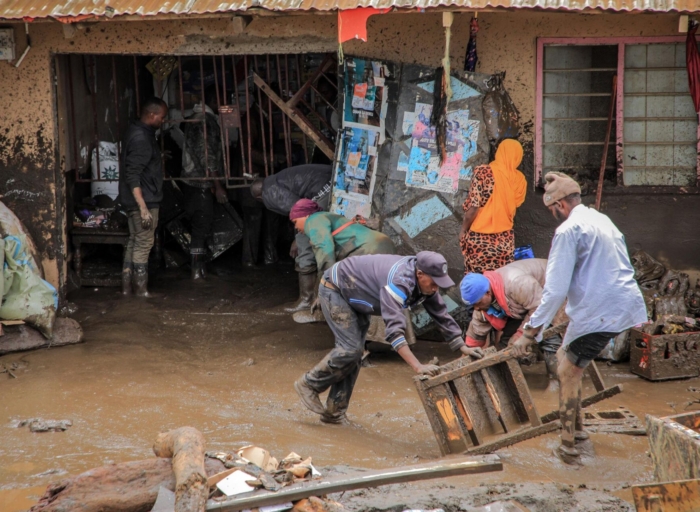
The previous storm, Kalmaegi, forced the suspension of ongoing rescue operations, particularly in areas affected by mudslides and flash floods. Poorer neighborhoods were hit hardest, with fast-moving waters destroying homes. The official death toll from Kalmaegi in the Philippines stands at 204, with over 100 people still missing. In Vietnam, five people were reported dead as a result of strong winds and flooding.
The Philippine government has declared a state of calamity, enabling authorities to access emergency funds and expedite the delivery of essential supplies. Residents remain anxious about Fung-wong following the devastation caused by Kalmaegi.
Climate Considerations
The Philippines, located in a region prone to tropical cyclones, typically experiences around 20 tropical storms annually, half of which directly impact the country. While climate change is not expected to increase the frequency of typhoons, warmer oceans and atmospheric conditions can intensify storms, leading to higher wind speeds, heavier rainfall, and greater coastal flooding risks.
As Fung-wong approaches, authorities continue to monitor the storm closely, with safety measures in place to protect vulnerable populations.