
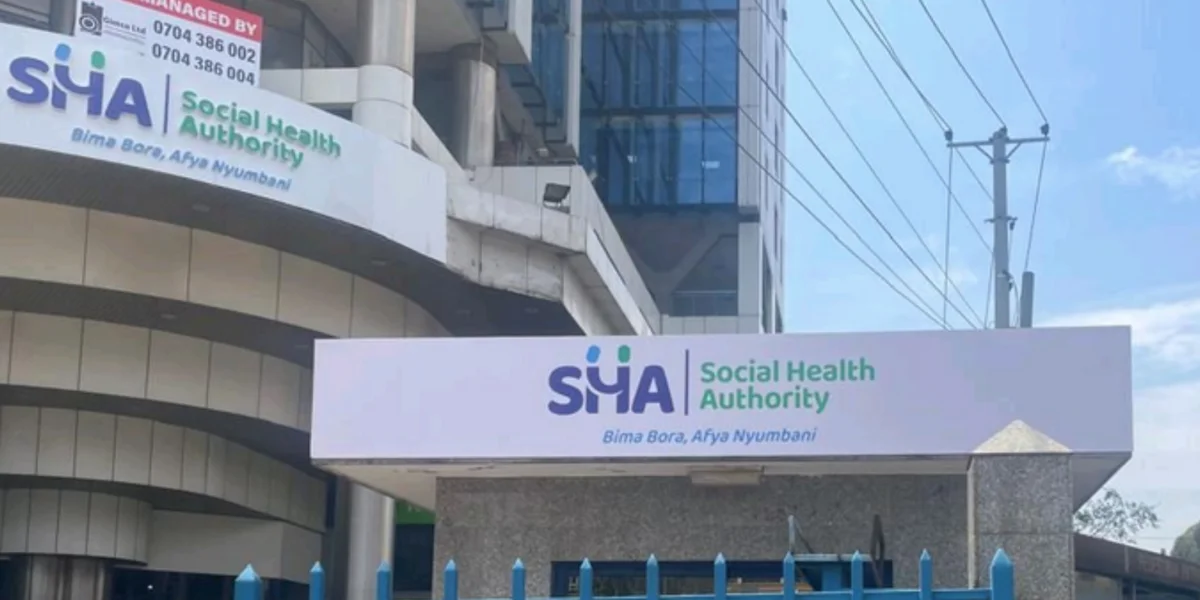
Kenya’s private hospitals, under the Rural & Urban Private Hospitals Association of Kenya (RUPHA), have suspended medical services for patients covered under the Social Health Authority (SHA), citing unpaid claims amounting to Ksh.10.6 billion from the government.
In a bold announcement made on Sunday, RUPHA directed all member facilities to stop accepting SHA-covered patients, requiring cash payments instead, until the debts are cleared.
“We have already proven that SHA is a bad borrower,” said RUPHA Chairperson Dr. Brian Lishenga.
“It has received credit from us worth Ksh.76 billion. Now the CS is calling us thieves and cartels. We are not going to extend credit moving forward.”
Tensions Escalate with Government
The standoff comes amid growing tensions between RUPHA and the Ministry of Health. Health Cabinet Secretary Aden Duale has reportedly referred to private hospitals as “thieves and cartels”, a remark RUPHA has condemned as unprofessional and inflammatory.
The association accuses the government of mismanaging the SHA system, leading to rejected claims, mounting debt, and eroding trust between private providers and the public health insurer.
Teachers and Police Could Be Next
The crisis is poised to worsen, as the government plans to onboard teachers and police officers onto SHA via the newly created Public Officers’ Medical Scheme Fund, replacing the current insurance cover led by Minet Kenya.
RUPHA has strongly opposed the transition, warning that teachers and police will be denied treatment unless pending payments—up to Ksh.20 billion—from Minet and MAKL are settled.
“The migration of teachers’ insurance must not happen before Minet and MAKL pay hospitals,” warned Dr. Lishenga.
“Come December, we will not offer services to teachers if hospitals are not paid.”
Growing Financial Strain
According to RUPHA, private hospitals have already provided billions worth of services on credit to the government through SHA, Minet, and MAKL. The non-payment, they say, is crippling operations and threatening the sustainability of private health facilities across the country.
Dr. Lishenga urged teachers and police officers to demand that their insurance providers clear outstanding debts before enrolling in the SHA program.
“The Kenyan police and teachers need to understand that before MAKL and Minet are sorted, the possibility of them not receiving services is 100%.”
What’s Next?
The suspension places additional strain on Kenya’s healthcare system, especially as SHA is still in its early stages of implementation. Unless urgent action is taken by the Ministry of Health and relevant stakeholders, millions of Kenyans—including public servants—may soon find themselves without access to care in private hospitals.

