
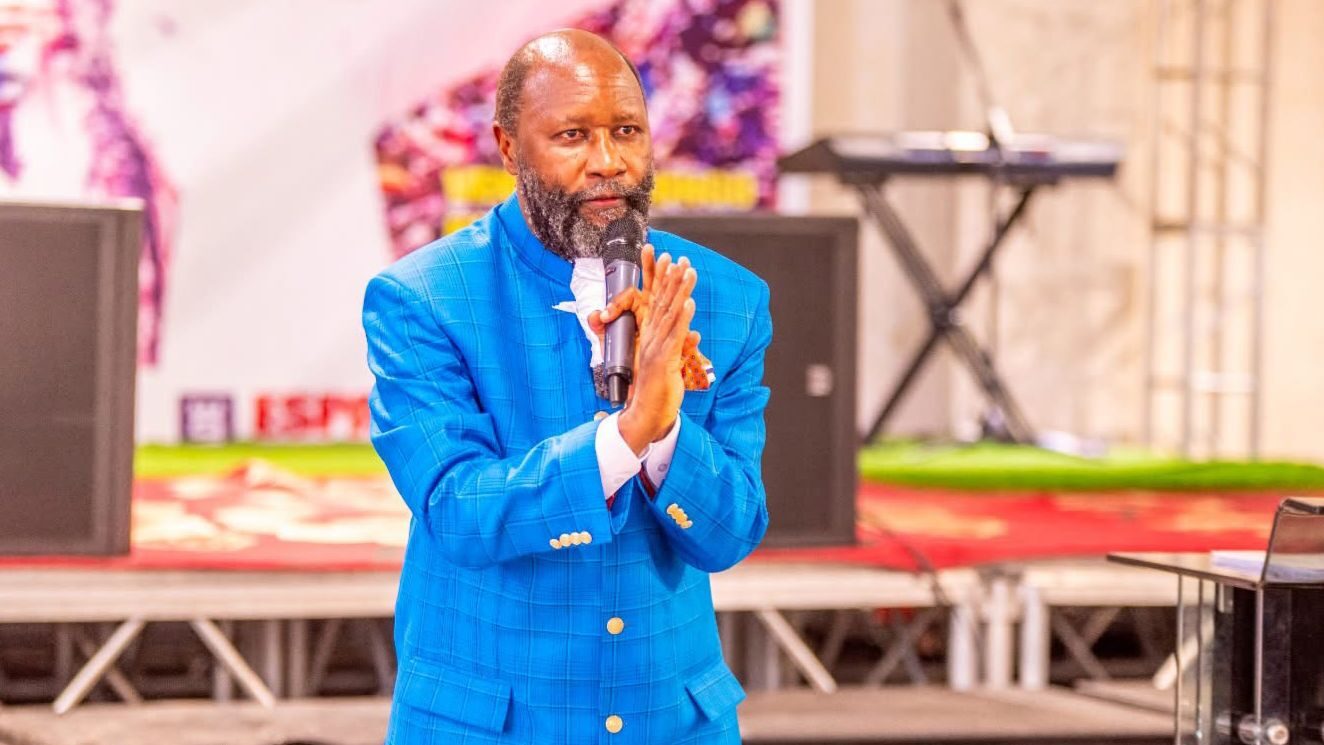
The name Prophet David Owuor is widely recognized in Kenya and beyond, where he is ranked among the most prominent evangelical preachers. His journey began in the early 2000s, preaching on the streets of Nakuru after leaving his profession as a scientist and researcher in the United States.
In 2004, he founded the Repentance and Holiness Ministry, marking the start of a ministry that would gradually attract large crowds to mega-crusades across Kenya. Owuor’s influence has also extended internationally, particularly in South America.
Global Recognition and Ties
Owuor has reportedly been welcomed in Venezuela multiple times, receiving what his ministry describes as royal treatment from former President Nicolás Maduro. His visits included prayers at the Miraflores Palace and prophetic declarations for the protection of Maduro. However, these predictions were put to the test when Maduro was captured in a U.S. military operation in January 2026, facing charges of narco-terrorism and other crimes. Maduro’s deputy, Delcy Rodriguez, now serves as acting president.
The prophet has also gained recognition in Chile, where he visited Santiago in 2013, claiming to have foreseen the 2010 magnitude 8.8 earthquake. In Brazil, he is said to have received a private Learjet 45 to support his global evangelistic missions.
Ministry and Outreach
At home, Owuor’s ministry employs a “Free Worship” model that does not require financial contributions from attendees. The scientist-turned-preacher is known for his end-times sermons and alleged miracles, which have reportedly included healing the sick and disabled.
Owuor has claimed to have foreseen major events, such as the 2000s Asian Tsunami, and has frequently staged public “revival” meetings where believers report miraculous recoveries.
Controversial Healings
Owuor’s claims of curing HIV/AIDS patients during crusades have generated significant debate. In December 2025, he reportedly presented individuals who once tested positive as now testing negative for HIV, with medical practitioners providing testimony.
Health authorities, including the Kenya Medical Practitioners and Dentists Council (KMPDC), warned that such claims could mislead vulnerable individuals and discourage adherence to Antiretroviral Therapy (ART), which remains the scientifically proven method to manage HIV. Health Cabinet Secretary Aden Duale instructed KMPDC to investigate the medical professionals involved.
The Repentance and Holiness Ministry maintains that the documented HIV-negative cases are verified at the DNA-PCR level and monitored in collaboration with both Kenyan authorities and global bodies such as the CDC and WHO. The National Council of Churches of Kenya (NCCK) has also cautioned the public against accepting unverified supernatural healing claims.
Miracles and Public Perception
Beyond HIV, Owuor’s ministry claims to have healed physical disabilities, chronic illnesses, and even performed resurrections, the most publicized being that of Mama Rosa Chepochesau in 2017. While such claims have drawn large audiences, skeptics highlight inconsistencies, as some individuals allegedly later died, and comparisons have been drawn to similar claims by televangelists like Alph Lukau and TB Joshua.
Lifestyle and Opulence
Owuor’s ministry is noted for its displays of wealth and security. Reports highlight his use of private jets, luxury vehicles, and extensive motorcades, often accompanied by police escorts. Followers have been known to prepare roads for his arrival. He reportedly resides in a high-end Nairobi estate.
Regulation and Religious Landscape
Kenya has over 4,000 registered churches, with hundreds more operating without registration. Attempts to regulate religious organizations, particularly after tragic events like the Shakahola cult deaths, have been met with resistance from leaders including Owuor, whose ministry opposes state interference, citing constitutional concerns.
President William Ruto has encouraged self-regulation by churches but also formed a task force to review Kenya’s legal and regulatory framework for religious organizations, following incidents that highlighted the need for accountability and oversight.
Owuor’s ministry reflects the broader challenges of balancing faith, public safety, and regulation in Kenya, as religious influence continues to intersect with social, political, and health issues across the country and beyond.

