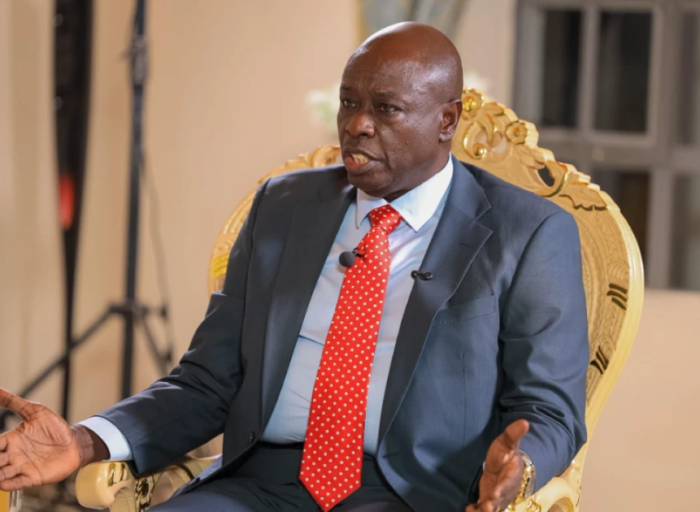
Nakuru, Kenya – Former Deputy President Rigathi Gachagua has accused the leadership of the National Police Service (NPS) of abandoning its constitutional mandate and allowing political interference in policing, following the disruption of his public engagement in Nakuru County.
In a statement released on Monday, February 9, 2026, Gachagua claimed that assurances given by police leadership during a meeting on January 30, 2026 with the Inspector General and other national leaders have been violated. He said the police had promised to remain apolitical, respect constitutional freedoms, and refrain from interfering with public meetings, but recent events suggest otherwise.
Allegations of Political Capture
Gachagua alleged that the police command in Nakuru County has been “surrendered to politically connected individuals,” including associates of President William Ruto, undermining impartial policing. He said he had previously warned the Inspector General that the county’s command structure was compromised.
According to Gachagua, his convoy was blocked from entering Nakuru County from Nyandarua while en route to address residents at Kinamba Trading Centre in Naivasha. He claimed a roadblock was erected at Karati River on orders issued via telephone to the Nakuru County Police Commander, preventing the meeting from taking place.
He further alleged that police officers deployed to the scene, travelling in four vehicles under Naivasha command, masked their faces and harassed members of the public for over an hour before withdrawing under pressure from large crowds demanding the removal of the roadblock.
Past Incidents
The former deputy president also accused Naivasha police command of repeatedly disrupting his meetings in the past, citing incidents in Mai Mahiu and Naivasha town in March 2025. He claimed that junior officers have privately complained about being used for “political work” at a time when crime levels in the area are rising.
Conclusion
Gachagua’s accusations highlight growing tensions between political leaders and the police service, raising questions about impartiality, accountability, and the protection of constitutional freedoms. As the debate intensifies, the role of the police in balancing law enforcement with political neutrality remains under scrutiny.