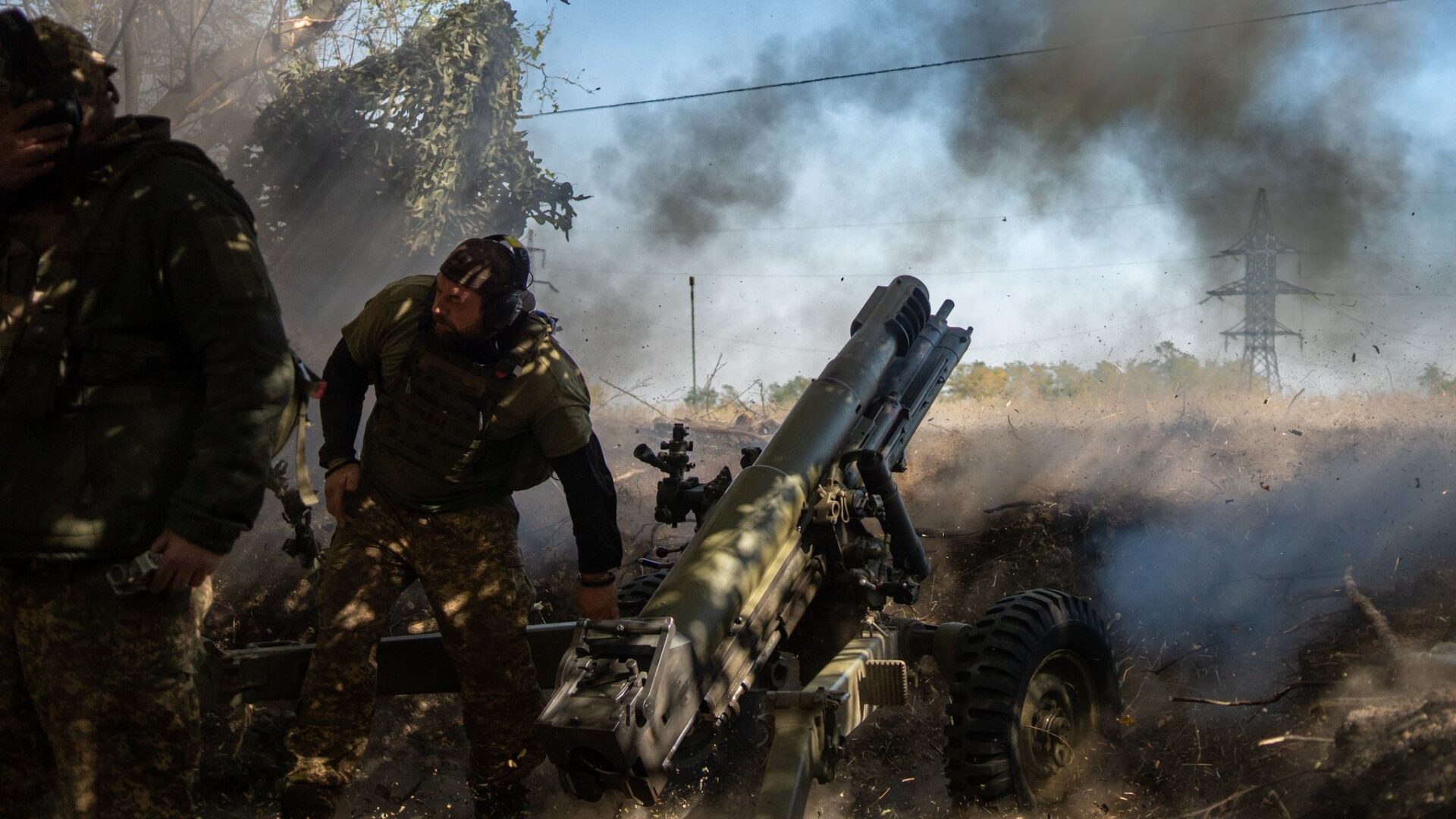
Russian troops are reportedly closing in on Pokrovsk, a strategic city in Ukraine’s eastern Donetsk region, following a sustained pincer offensive that has nearly encircled the city. According to Russian military bloggers, small, mobile Russian units have already begun penetrating parts of Pokrovsk as the battle for control intensifies.
About Pokrovsk
Pokrovsk, once home to around 60,000 residents, is a major road and rail hub in eastern Ukraine. Most civilians have since fled, with all children evacuated amid ongoing shelling. The city lies on a crucial supply route used by Ukrainian forces and sits near Ukraine’s only coking coal mine, a key resource for the country’s steel industry before operations were suspended by Metinvest in early 2025.
The Pokrovsk Technical University, the region’s largest educational institution, has been left abandoned after suffering heavy damage from Russian shelling.
Strategic Importance for Russia
Russia has long sought to seize full control of the Donbas region, which includes Donetsk and Luhansk provinces. Despite Moscow’s claims that Donbas is now legally part of Russia, Kyiv and Western allies continue to reject the annexation as illegal and illegitimate.
Pokrovsk is considered a gateway to Donetsk, and capturing it would allow Russian forces to push further north toward the major Ukrainian-held cities of Kramatorsk and Sloviansk. Russian forces are also attempting to encircle Kostiantynivka, another strategic location northeast of Pokrovsk.
Why the Battle Has Stalled
Although Russia has threatened Pokrovsk for over a year, progress has been slow due to a shift in military strategy. Unlike the brutal frontal assaults seen in battles such as Bakhmut, Moscow has relied on a pincer movement, aiming to cut off Ukrainian supply lines while deploying small, agile units and drone strikes to disrupt logistics and morale.
This approach has created what Russian commentators call a “grey zone” contested urban areas where neither side has full control, making defense costly and difficult. Clearing Pokrovsk and nearby Myrnohrad is expected to take more time, delaying any official Russian declaration of victory.
Ukraine’s cross-border offensive into Russia’s Kursk region in 2024 is also believed to have diverted Moscow’s resources, slowing the advance on Pokrovsk.
Current Situation on the Ground
Ukrainian President Volodymyr Zelenskyy confirmed that fighting remains fierce within and around Pokrovsk.
“There is fierce fighting in the city and on its approaches… logistics are difficult, but we must continue to destroy the occupiers,” Zelenskyy said on Sunday.
Meanwhile, Russian Chief of General Staff Valery Gerasimov briefed President Vladimir Putin that Ukrainian troops in the area had been largely cut off. Pro-Russian sources claimed that some elite Ukrainian units have already withdrawn.
Pro-Ukrainian military tracker DeepState warned that the situation in Pokrovsk is “on the verge of critical” and could soon become irreversible if the Ukrainian defense line collapses.
Independent verification of battlefield claims from either side remains impossible due to strict reporting restrictions in active combat zones.
Wider Frontline Developments
According to Russian military officials, Moscow now controls roughly 19% of Ukrainian territory, equivalent to 116,000 square kilometers (44,800 square miles). Gerasimov reported additional advances near Kupiansk in Kharkiv, and along the Dnipropetrovsk and Zaporizhzhia fronts.
Analysts suggest these moves indicate Russia’s intent to capture the entire Zaporizhzhia region, consolidating control across the country’s southeast.
Moscow continues to assert sovereignty over Crimea, Luhansk, Donetsk, Zaporizhzhia, and Kherson, territories it claims as part of the Russian Federation a claim recognized only by a handful of nations, including Syria, North Korea, and Nicaragua. The United Nations General Assembly, however, reaffirmed in 2014 that Crimea and all occupied regions remain Ukrainian territory.
President Putin has repeatedly accused the West of “double standards”, citing the recognition of Kosovo’s independence in 2008 while rejecting Russia’s annexation of Ukrainian lands.