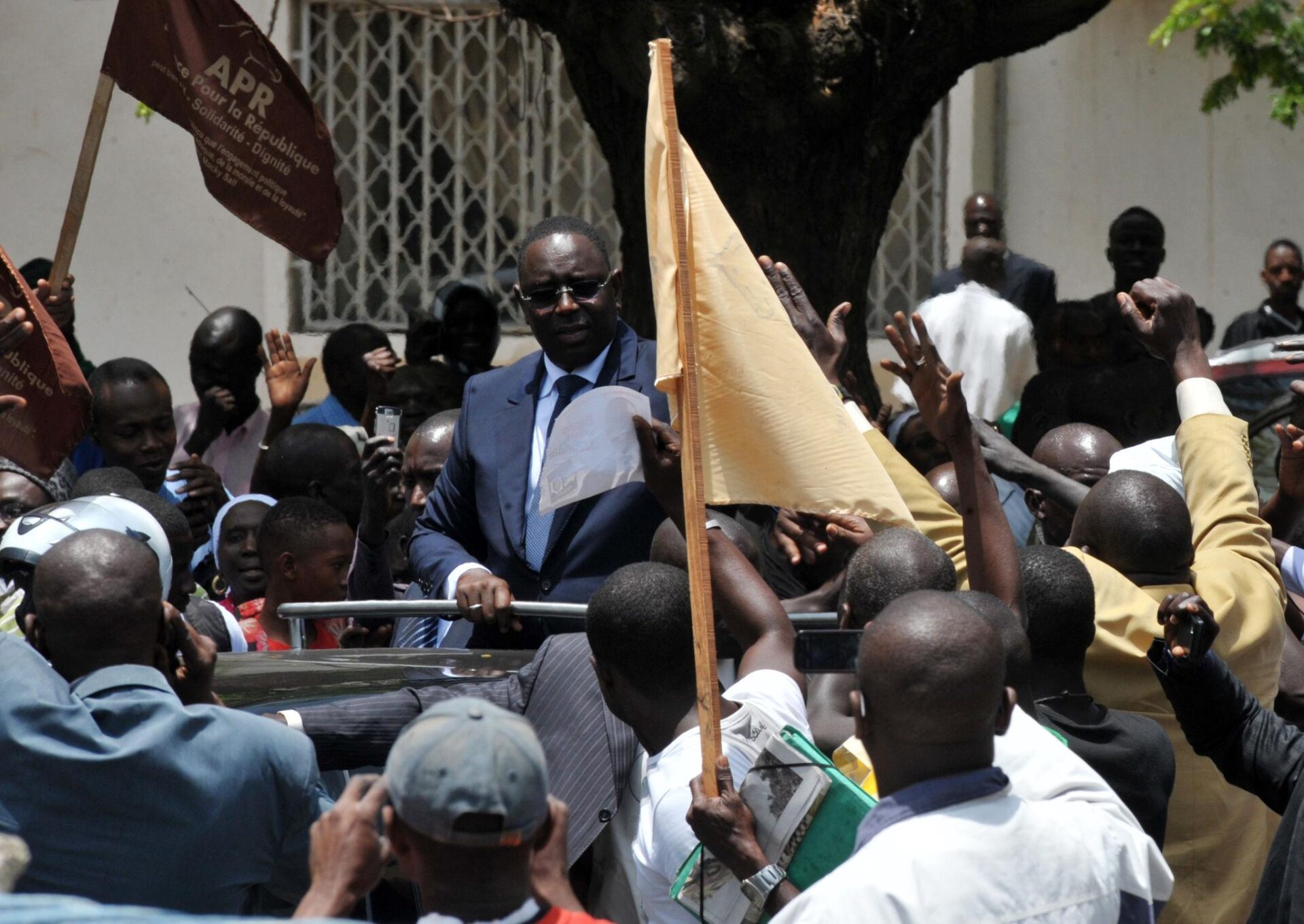
The government of Senegal has formally distanced itself from the candidacy of former president Macky Sall for the position of Secretary-General of the United Nations, despite public backing from the African Union.
In a communication dated 27 March 2026, Senegal’s Permanent Mission to the African Union clarified that the government had “at no stage endorsed” Sall’s candidacy, contradicting an AU draft decision issued a day earlier that expressed support for his bid.
Diplomatic Rift Emerges
The statement highlights a growing disconnect between Dakar and continental efforts to rally behind a unified African candidate. Senegal’s foreign minister reportedly said he had not been consulted on the matter, underscoring internal divisions over the nomination.
The AU had promoted Sall’s candidacy based on his experience and leadership during his tenure from 2012 to 2024. However, Senegal’s refusal to formally back the bid introduces uncertainty into attempts to consolidate African support in the race to succeed António Guterres.
Political Controversy Surrounding Sall
Sall’s potential candidacy comes amid lingering political tensions at home. His presidency was marked by controversy, including allegations of repression during protests in his final years in office, which reportedly resulted in multiple fatalities.
The current Senegalese administration has also accused him of concealing the true extent of the country’s public debt. An International Monetary Fund review found that officials made inaccurate disclosures regarding budget deficits and debt levels between 2019 and 2023.
Competitive Race for UN Leadership
The contest to lead the United Nations is shaping up to be highly competitive. Other prominent figures linked to the race include Michelle Bachelet, whose support is reportedly waning, Rafael Grossi, and Rebeca Grynspan.
Under UN procedures, the Security Council will recommend a candidate to the General Assembly, which is expected to begin voting from 20 April. Guterres’ term is scheduled to end in December 2026.
Implications for Africa’s Global Strategy
Senegal’s position complicates efforts by the African Union to present a unified front in securing one of the world’s most influential diplomatic roles. Analysts note that divisions among member states could weaken the continent’s bargaining power at a time when Africa is seeking greater representation in global governance structures.
The development reflects broader geopolitical rivalries and internal political dynamics that continue to shape Africa’s engagement on the international stage.