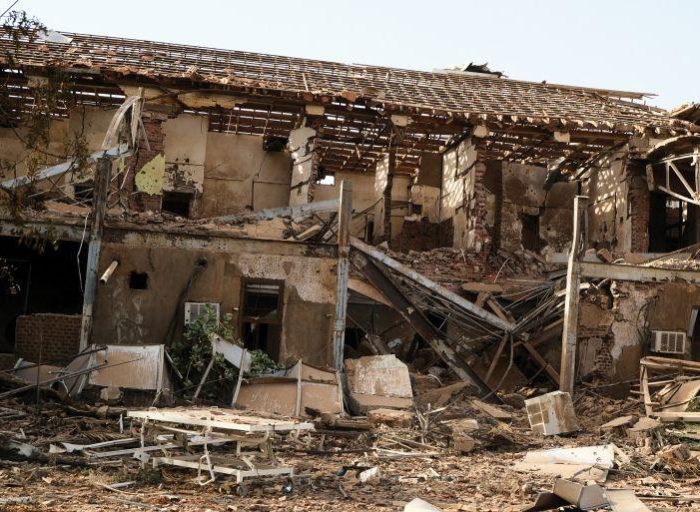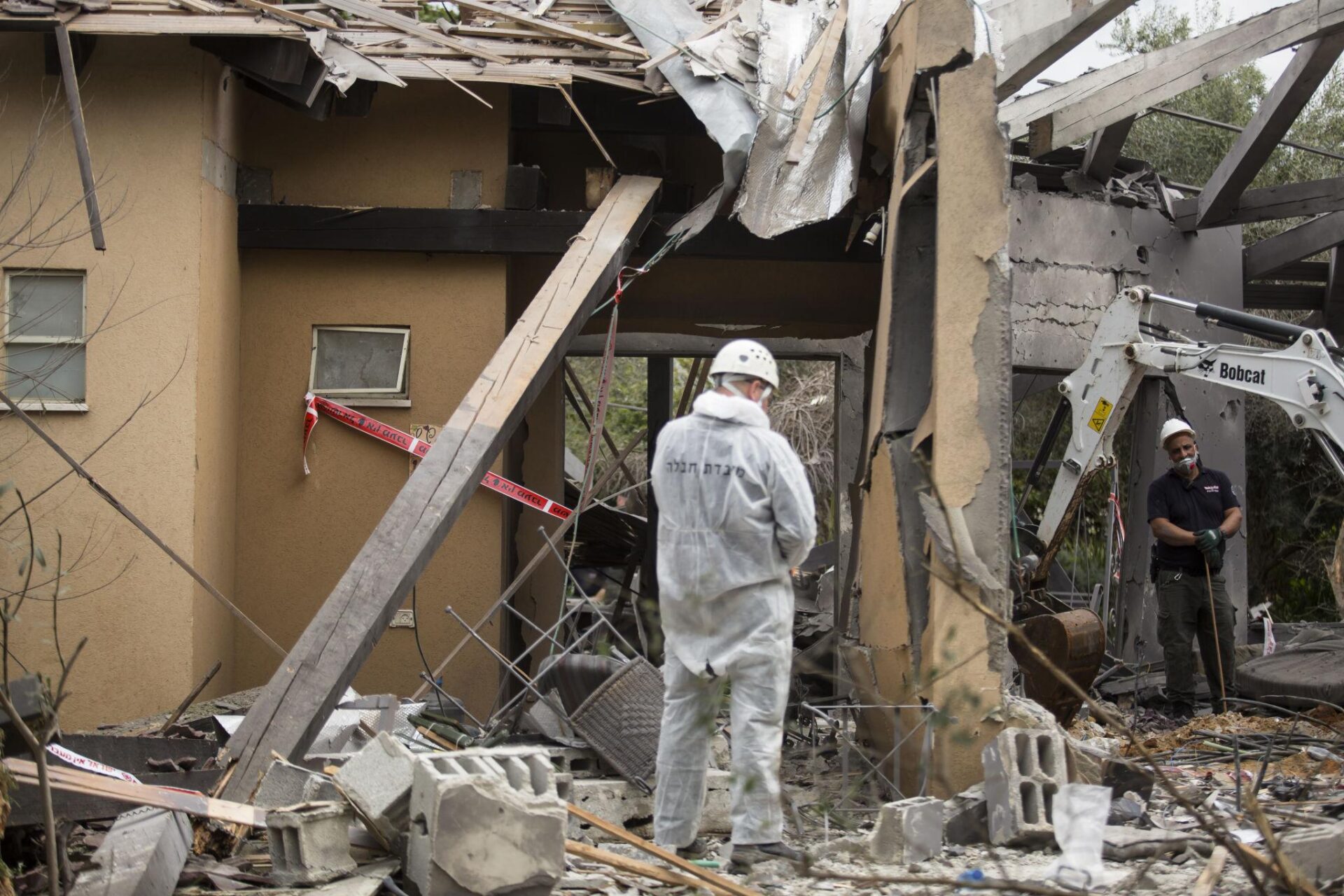
A missile strike hit a residential moshav near Beit Shemesh, west of Jerusalem, injuring several civilians and triggering a rapid emergency response, as tensions continue to escalate across the region.
According to Magen David Adom, seven people sustained light injuries and were evacuated to nearby medical facilities following the impact. Emergency crews, security personnel, and rescue teams were deployed to secure the area, assess structural damage, and search for additional casualties.
Emergency Response and Damage Assessment
Units from Israel’s Home Front Command conducted systematic sweeps of the strike zone, focusing on damaged homes and surrounding infrastructure. Residents in the nearby community of Eshtaol rushed to shelters within minutes of incoming alerts, reflecting the continued reliance on early warning systems.
The wounded were treated at major hospitals in Jerusalem, including Shaare Zedek Medical Center and Hadassah Medical Center, where medical teams confirmed that injuries were not life-threatening.
Air Defence Under Scrutiny
The incident has raised fresh concerns about the effectiveness of Israel’s multi-layered air defence systems. Authorities indicated that the missile either evaded interception or was not fully neutralized, prompting an internal review by the Israeli Air Force.
The strike underscores the persistent vulnerability of civilian areas, even with advanced defence infrastructure in place. Analysts note that such breaches, while relatively rare, can have significant psychological and strategic implications.
Broader Regional Escalation
The attack comes amid a wider escalation that has kept communities on high alert since hostilities intensified on 28 February. Reports of simultaneous missile launches from Yemen have heightened fears of a broader regional confrontation, potentially involving multiple fronts.
For residents of central Israel, the immediate consequences were tangible damaged homes, disrupted lives, and renewed anxiety over security. The strike serves as a stark reminder of the ongoing risks faced by civilian populations as the conflict continues to evolve.