
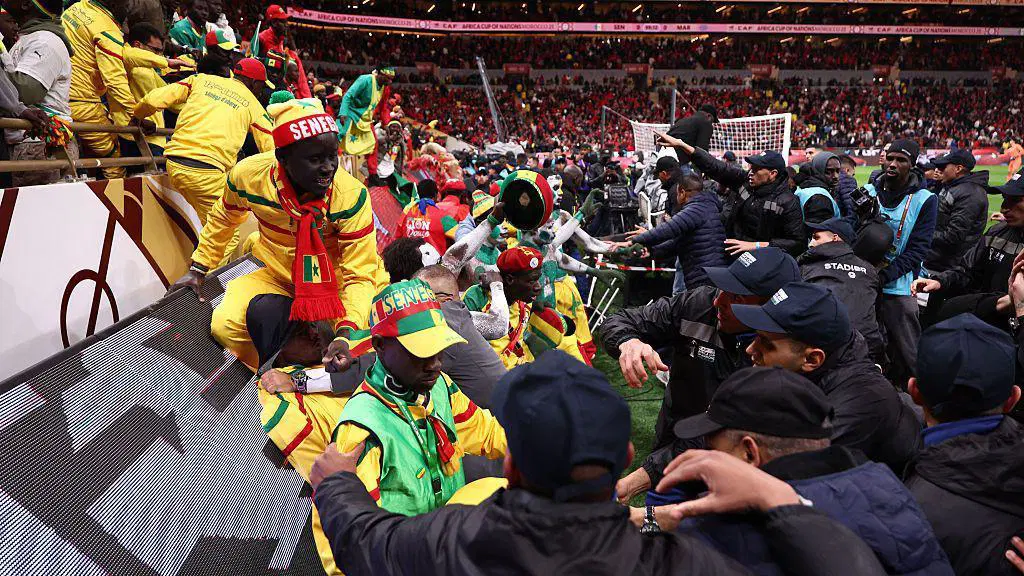
Rabat, Morocco – Eighteen Senegalese football fans imprisoned in Morocco over alleged “hooliganism” during last month’s Africa Cup of Nations (AFCON) final are observing an intermittent fast rather than a hunger strike, their lawyer clarified on Saturday.
The group was arrested on January 18, the day Senegal defeated Morocco 1-0 in Rabat.
Clarification From Defense Counsel
Lawyer Patrick Kabou initially said on Friday that the detainees had written to him, declaring they would “continuously fast until Moroccan justice gives us the chance to be heard.”
On Saturday, however, Kabou explained that the fans were eating breakfast only as a form of protest against their pre-trial detention.
“They are not refusing food entirely. They are fasting intermittently to express frustration over the lack of clarity on charges,” Kabou said.
Prosecutors Deny Hunger Strike
Prosecutors in Rabat denied reports of a hunger strike, insisting the detainees were “receiving meals in a normal and regular manner.”
A judicial source, speaking anonymously, said the prison director reported that seven detainees skipped lunch on Friday but had “bought food” elsewhere, later eating dinner in the prison cafeteria.
Background to the Arrests
The arrests followed chaotic scenes near the end of the AFCON final. Some Senegalese supporters attempted to storm the pitch after a late penalty was awarded to Morocco. Senegal’s players halted the game for nearly 20 minutes in protest, while fans threw objects including a chair onto the field.
Legal Proceedings
The detainees say they are still waiting to learn the charges against them. Their trial is scheduled to resume next week.
- A first hearing in late January was adjourned at the request of defense lawyers.
- A second hearing on Thursday was postponed due to an ongoing lawyers’ strike in Morocco.
Conclusion
The clarification that the Senegalese fans are fasting rather than staging a hunger strike underscores the tension surrounding their detention. As the trial resumes, the case will continue to draw attention, not only for its legal implications but also for its connection to one of Africa’s most high-profile football tournaments.

